Vehicle Safety Tags for Faster Help on the Road
By ContactMeTag · · 6 min read
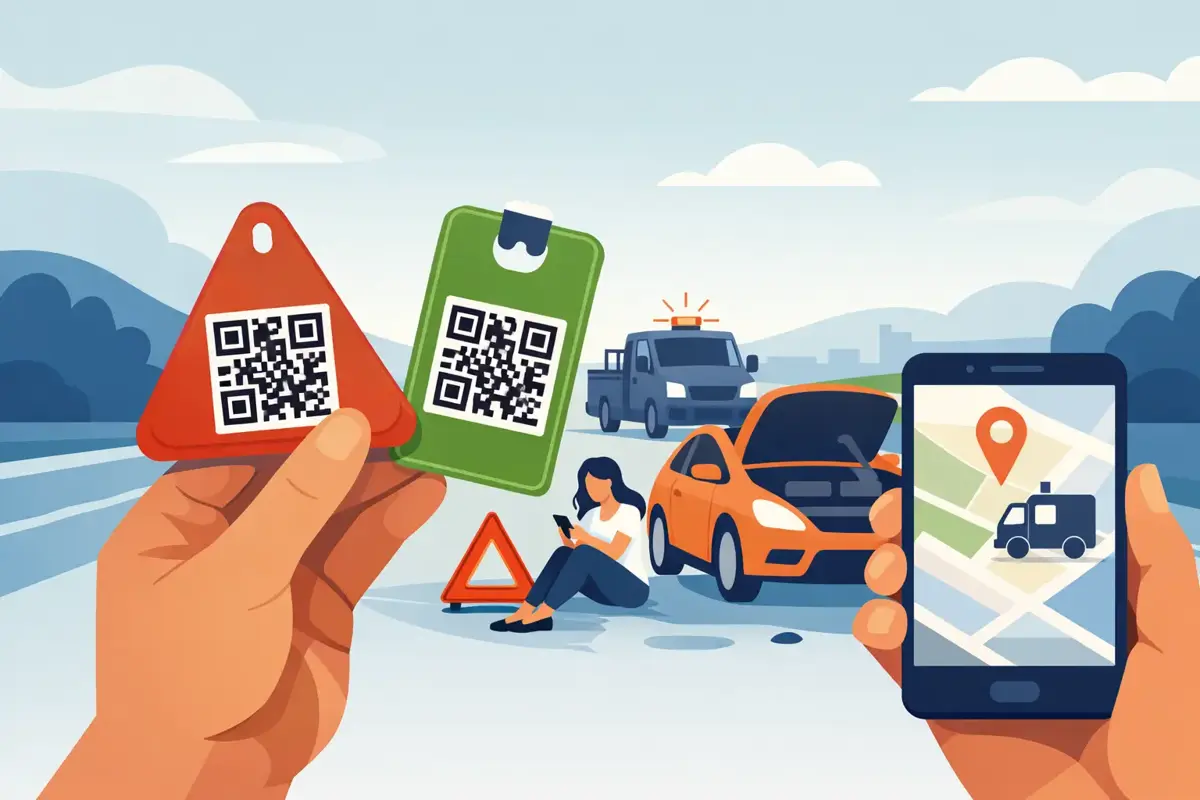
A roadside emergency is rarely convenient. You may be shaken after a crash, stranded with a flat battery, unable to speak clearly, or simply away from your vehicle when someone notices a problem. Vehicle safety tags give the person standing nearby one clear next step: scan the QR code and make contact without needing to search for a phone number, download an app or expose your private details.
For Australian drivers, that small action can close a critical communication gap. A QR safety tag does not replace emergency services, roadside assistance, insurance or safe driving. It does make it easier for a Good Samaritan, first responder, parking officer or nearby motorist to reach you or your nominated contacts when minutes matter.
What are vehicle safety tags designed to do?
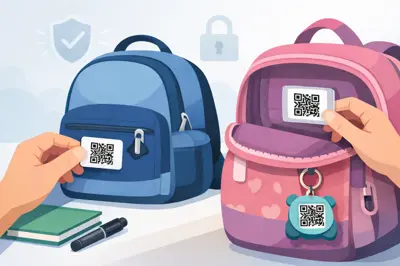
Vehicle safety tags are durable QR code tags or stickers placed where they can be seen on a car, ute, caravan, motorcycle or bike. When scanned with a standard mobile camera, the code opens a secure contact page. The scanner can call or message the owner, or reach nominated emergency contacts, while personal mobile numbers remain masked.
That privacy element matters. A handwritten number on the windscreen may be quick, but it leaves your details visible to anyone walking past. A QR tag creates a safer route to the right person. The finder gets a simple way to act, while you stay in control of the contacts connected to the tag.
The best systems are built for real conditions, not just a neat garage wall. Look for weatherproof materials that can handle heat, rain, dust and regular washing, with a clear code that stays easy to scan. Australian-made tags can be a sensible choice when your vehicle spends long days in harsh sun.
When a scan can make a real difference
The value of a vehicle tag becomes obvious in the moments no one plans for. After a minor crash, a witness may need to reach your partner because you are being assessed by paramedics. If you are unresponsive, a nominated emergency contact can provide useful information or arrange support.
A breakdown is another everyday scenario. Perhaps your car is pulled safely onto the shoulder while you walk to find reception, or your caravan has a mechanical issue at a busy rest stop. A passer-by who spots a hazard, an open door or an unattended vehicle can scan the tag rather than guess who to call.
Tags are also useful when the emergency is not dramatic. A neighbour may notice that your car lights have been left on. A shopping centre attendant may need a vehicle moved. Someone might see damage to your parked car and want to alert you before they leave. These situations do not always justify a public announcement, but they do need fast, direct communication.
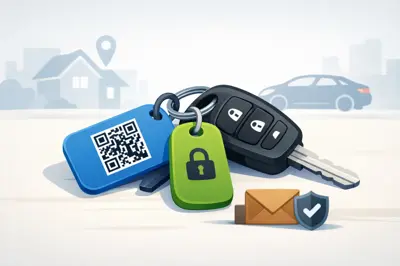
For motorcyclists, a tag on a helmet, keyring or bike can add another contact point. A helmet may be separated from the motorcycle after an incident, while a visible tag on the bike may not be immediately accessible. Using more than one tag is not overkill when each item can end up in a different place.
Where to place a vehicle safety tag
Placement should balance visibility with protection. A tag hidden under a seat is of little help to someone outside the vehicle, but a tag placed where it is constantly rubbed or covered in grime may become difficult to scan.
For cars and utes, consider a clean, visible spot on a rear window, side window or the inside of the windscreen where it will not obstruct your view. Caravan owners may place one near the entry or on a visible external panel, provided the surface is suitable and the tag is protected from unnecessary wear. On motorcycles, options include a visible part of the bike, a helmet or a key tag.
Avoid placing a QR code over moving parts, highly curved surfaces or areas likely to be obscured by mud, accessories or a bike rack. Before relying on it, test the scan from a normal standing distance in daylight. Then check it again after washing the vehicle.
Set up the contacts before you need them
The QR code is only as useful as the people behind it. Setup should take minutes, but it deserves a little thought. Add your preferred contact method, then nominate at least one person who is likely to answer their mobile and knows what to do if they receive an urgent call.
For many households, that might be a spouse, adult child, parent or close friend. If you travel alone or often drive long distances, choose someone who understands your usual routes and any key medical information you want them to have. Let each nominated contact know they have been added. An unexpected call from a masked number can otherwise be mistaken for spam.
Review your details whenever life changes. A new mobile number, separation, changed workplace, new vehicle or interstate move can leave an old contact list less useful than it should be. Set a reminder every six months, perhaps when you check your registration or insurance, to confirm the information is current.
Keep the message simple for scanners
A person scanning a tag may be stressed, standing in rain or unfamiliar with the area. They need a clear action, not a long form. ContactMeTag is designed around this practical reality: scan the code, choose a call or message option, and reach the right person without exposing private phone numbers.
No app should be required for the person trying to help. The easier the process is, the more likely someone will use it when they notice a problem. Free calls and messages for the scanner also remove a needless barrier at the exact moment you want them to act.
What vehicle safety tags cannot do
A tag is a communication tool, not an emergency beacon. It cannot send an ambulance, share live location automatically or replace a call to Triple Zero (000). If someone is seriously injured, in immediate danger or involved in a fire, collision or medical emergency, calling 000 comes first.
It also depends on someone seeing the tag, having a camera-equipped mobile and choosing to scan it. That is why placement, tag condition and simple instructions matter. In remote parts of Australia with poor reception, even the best contact system may be delayed. Carrying water, maintaining your vehicle, telling someone your travel plans and having appropriate roadside cover remain essential.
Privacy has a trade-off too. Masked contact details protect you from public exposure, but they mean you should ensure your nominated contacts are reliable. A tag that routes to an unanswered number is better than a public number in some situations, but it is not the strongest possible setup. Add more than one suitable contact where the platform allows it.
A quick vehicle tag readiness check
Before your next road trip, check five practical details:
- The tag is visible, clean and firmly attached.
- The QR code scans easily from another person's mobile.
- Your primary contact number is correct.
- Nominated emergency contacts know they may receive a call.
- Your vehicle still carries the basics, including a charged mobile, water and relevant roadside assistance details.
This check takes less time than packing an esky, but it can make a confusing situation far easier for the first person who stops to help.
A small tag with a clear purpose
Most vehicle emergencies are not predictable, and many are not life-threatening. Yet both can leave you needing a message delivered quickly to the right person. Vehicle safety tags give helpful strangers a private, practical way to make that happen.
Place one where it can be seen, set it up with contacts who will respond, and test it before you need it. When you cannot explain what has happened, your QR code can speak for you.