How to Label Car Keys Safely Without Exposing Your Address
By ContactMeTag · · 6 min read
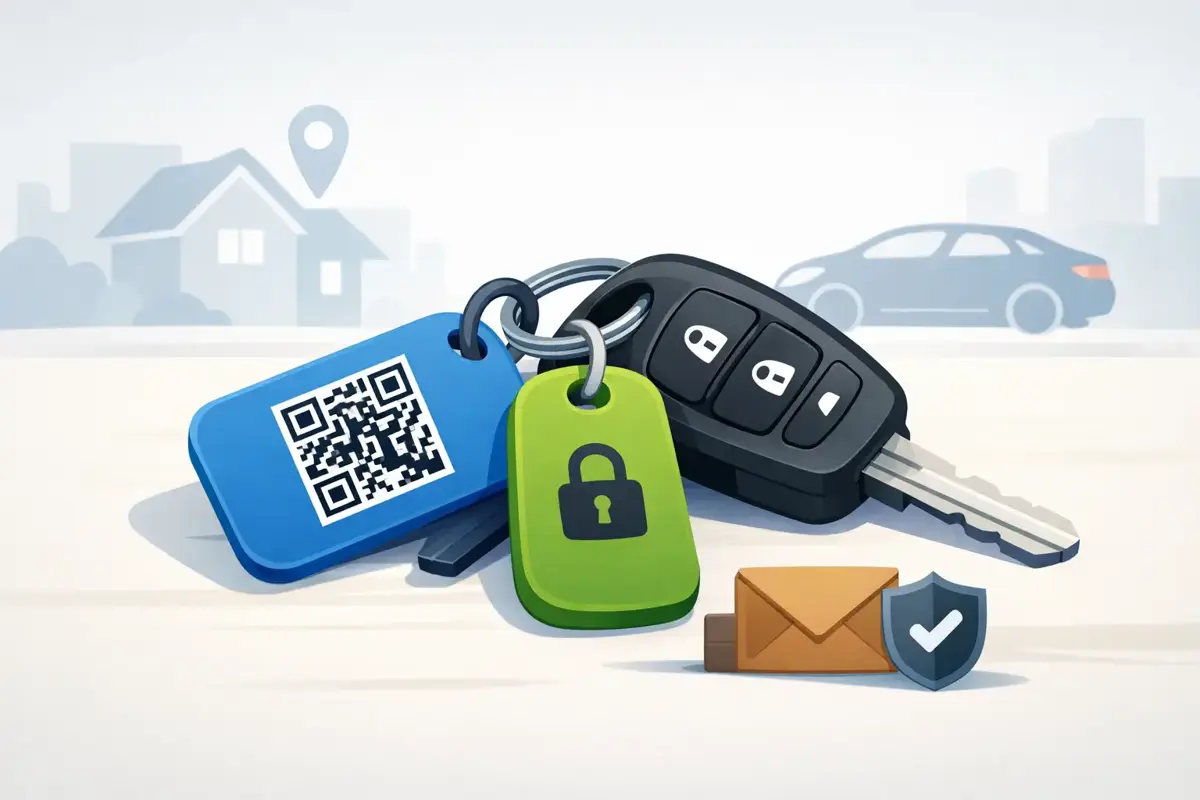
A lost set of car keys can turn into more than an inconvenient morning. If the label shows your name, address or registration details, the person holding those keys may have a direct path to your vehicle and home. Learning how to label car keys safely means making it easy for an honest finder to reach you, while giving away as little personal information as possible.
The safest label does not try to tell a stranger everything. It gives them one clear action: a secure way to contact you.
Why ordinary key labels can create a security risk
It is tempting to write your mobile number on a key tag and call it done. It can work if a good Samaritan finds your keys at the shops, the beach or a service station. But a visible number exposes your personal contact details to anyone who picks them up. A name can be enough for someone to search social media. An address is far worse.
Avoid attaching anything that identifies where the car is kept, who owns it, or what vehicle the keys open. That includes your home address, unit number, work address, car registration, vehicle make and model, or a tag such as “Mum’s red Mazda”. Even a work ID or gym tag kept on the same ring can reveal more than intended.
The trade-off is straightforward. A label with more information may appear helpful, but it creates more risk if the keys are stolen rather than simply misplaced. A privacy-first contact method gives an honest finder a practical way to help without handing a thief useful details.
How to label car keys safely with a contact tag
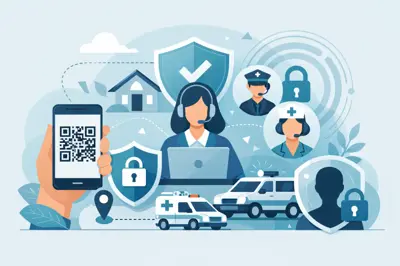
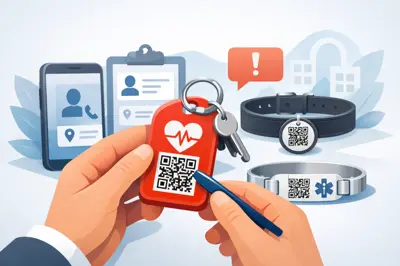
A QR contact tag is a practical option because it keeps the useful information behind the scan, rather than printed in public. When someone scans the code with their mobile camera, they can be directed to a contact option without seeing your personal mobile number or address.
With a service such as ContactMeTag, the finder can call or message you or a nominated contact through a privacy-protected system. No app is needed for the person scanning, and your contact details remain masked. That matters when keys are found in a car park, at a sporting ground, outside a café or on a footpath where you cannot know who will pick them up.
Choose a compact, durable tag that sits securely on the key ring and is designed to handle daily use. Car keys are regularly dropped, knocked against shopping trolleys and left in hot cars. A weatherproof tag with a clear, easy-to-scan code is more likely to work when it is needed.
Set up only the details a finder needs
The best setup is simple. Add a reliable contact method that you or a trusted person can answer promptly. If you are travelling, working remotely or often unable to take calls, nominate a partner, family member or close friend as a backup contact.
Keep the message clear and action-focused. The goal is not to explain your life story. It is to let the finder say, “I have found these keys,” and allow you to arrange a safe return. Review your nominated contacts every few months, especially after changing your mobile number or moving house.
Test the label before relying on it
Scan the code with another mobile before adding it to your keys. Check that the contact page loads, calls or messages reach the right person, and your emergency contact understands what to do if they are contacted.
This quick test is worth doing. A label is only useful if it works in the real moment, when you are already searching through bags, retracing your steps and wondering whether the keys have been found.
What not to put on your car key ring
Your key ring should not become a directory of your personal life. Remove outdated tags and reconsider the items you carry together. The following details are best kept off any visible key label:
- Your full name, home address, postcode or unit number
- Your car registration, VIN, vehicle model or parking bay number
- A printed mobile number or personal email address
- Work access cards, name badges or tags that identify your employer
- Notes such as “house keys”, “holiday house”, “boat” or “garage”
You may feel comfortable carrying one of these items on its own. The problem comes when several clues are combined. A set of keys with a house-shaped keyring, a work pass and a label showing a first name can reveal far more than each item does separately.
Keep vehicle and home access separate where practical
Many Australians keep house keys, car keys, garage remotes and mailbox keys on one large key ring. It is convenient, but it increases the consequences of one loss. If a thief takes the ring, they may have access to both your vehicle and your home.
Where practical, separate the keys you need for driving from keys that identify or open your home. This may not suit every household, particularly where one person needs to manage multiple access points, but it is worth considering for everyday use. A smaller key ring is also less likely to be left behind at the gym, school drop-off or a friend’s place.
If your vehicle uses a keyless fob, store it securely at home and consider a signal-blocking pouch if your car is vulnerable to relay theft. A label will help with recovery after loss, but it does not replace basic vehicle security.
Know what to do when your keys go missing
If you realise your keys are gone, act early rather than waiting to see if they turn up. Start by checking recent locations and contacting places where they may have been handed in, such as your workplace, local café, club or shopping centre customer service desk.
If the keys have a secure contact tag, keep your phone close and make sure any nominated contact is available. A finder may reach out quickly, particularly if the tag tells them exactly how to help.
If there is any chance your keys were stolen, or they were lost with details that identify your home or vehicle, treat it as a security issue. Move your car to a safer location if possible, secure the spare keys, and speak with a locksmith or your insurer about rekeying or reprogramming. For modern fobs, the right response depends on the vehicle and its security system, so prompt professional advice can prevent a bigger problem.
Make the return safer for everyone
When someone contacts you about found keys, do not rush to share your address. Thank them, confirm a few details about the key ring, and arrange to meet in a public place where practical. A local police station, shopping centre service desk or busy café can be a sensible handover point.
If the finder has left the keys with staff, call the venue directly using its published number and confirm the handover process. Do not rely solely on a message from an unfamiliar person asking for extra details. Most people are trying to do the right thing, but good key safety includes protecting yourself during the return as well.
A small tag can prevent a large headache
Car keys are easy to misplace and expensive to replace. The safest label gives a decent person a fast way to contact you, without advertising where you live, what you drive or how to reach you directly. Set it up, test it, and keep the information on your key ring deliberately minimal. When every scan counts, that small decision can make getting your keys back quicker and safer.