Vehicle Safety Accessories That Help When Seconds Count
By ContactMeTag · · 6 min read
A flat tyre on a country road, a minor crash in a crowded car park, or a vehicle left unattended at the beach can turn ordinary plans into a stressful scramble. In those moments, the best vehicle safety accessories are not the flashy extras. They are the practical items that help you stay visible, get help, protect your privacy and keep moving safely.
For Australian drivers, preparedness has to work across very different conditions: city traffic, school drop-offs, long holiday drives, wet weather, unsealed roads and stretches with patchy reception. A well-chosen safety setup does not need to fill the boot. It needs to make the next right action easier when you are shaken, delayed or unable to explain what has happened.
Vehicle safety accessories for real roadside problems
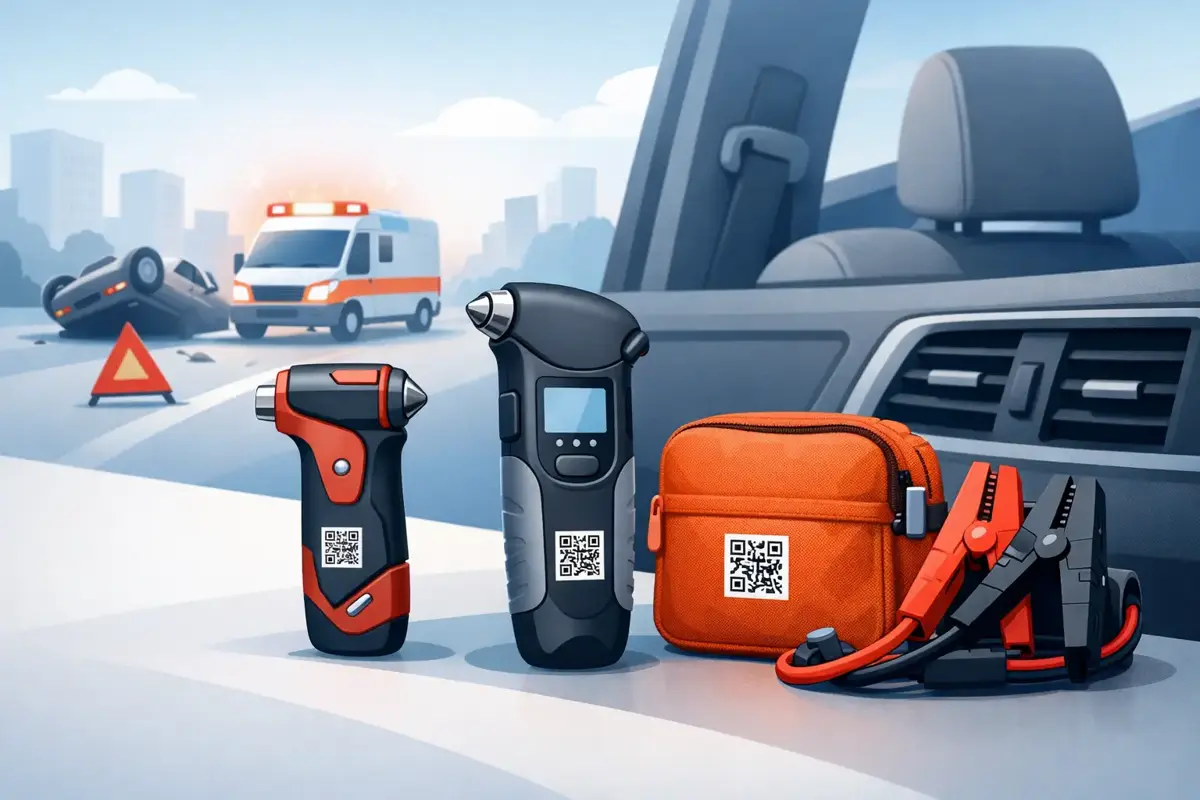
Start with the basics that support a safe response after a breakdown or incident. A compliant first-aid kit, a fire extinguisher suited to vehicle use, a high-visibility vest and a warning triangle can all have a place in your vehicle. Their value is simple: they help you deal with immediate risks while waiting for assistance.
A torch is another small essential, especially for anyone who drives after dark or travels beyond built-up areas. Choose one that is easy to find and check its batteries every few months. A compact tyre inflator, tyre pressure gauge and puncture repair kit can be useful too, although they are not a substitute for a roadworthy spare tyre, jack and the knowledge to use them safely.
It depends on your vehicle and where you drive. A family SUV used for weekend trips may need a more comprehensive kit than a city car that rarely leaves the suburbs. A ute used on worksites may benefit from gloves, a recovery-rated tow point and extra lighting, while a commuter may prioritise visibility and emergency contact access. Buy for the risks you actually face, not for the biggest kit on the shelf.
Keep the essentials reachable
Safety equipment is only useful if you can reach it. Avoid burying your first-aid kit beneath prams, sports bags or holiday luggage. Keep high-visibility gear, a torch and a basic emergency contact card in an accessible compartment, with larger items secured in the boot.
Loose objects can become hazards in a sudden stop. Use storage organisers or anchor points where appropriate, particularly for heavier items such as extinguishers, tool kits and inflators. A tidy vehicle is not just convenient. It means less searching when time matters.
Make yourself visible before you start fixing anything
After a breakdown, your first task is not opening the bonnet. It is reducing the risk around you. If possible, pull well clear of traffic onto a safe, firm surface. Switch on hazard lights and assess whether it is safer to remain in the vehicle or move away from it, depending on traffic, weather and your location.
High-visibility vests and warning triangles are useful, but they must be used with judgement. Never put yourself in danger by walking near fast-moving traffic to place a triangle. On a busy motorway or narrow road, getting behind a barrier or moving to a safer location may matter more than setting up equipment.
For drivers travelling with children, older relatives or pets, have a simple plan before a problem happens. Know where everyone should stand if they need to leave the vehicle. Keep water in the car during warmer months. A mobile charging cable and power bank can also make a real difference when a delay becomes longer than expected.
Check your kit, not just your shopping list
Accessories do not stay ready forever. First-aid supplies expire, torch batteries flatten, tyre sealant has a shelf life and chargers go missing. Set a reminder before major road trips to inspect what you carry.
Check that your spare tyre is inflated and suitable for use, not just present. Confirm that children’s restraints are fitted correctly. If you tow a trailer or caravan, inspect connections, lights and safety chains before leaving. These checks take minutes at home and can prevent difficult decisions on the roadside.
Emergency contact access is a safety feature
In an accident or medical event, a mobile locked in your pocket is not much help to a passer-by. The same applies when someone finds your vehicle after it has been damaged, blocking access, or left with lights on. They may want to help, but have no safe way to reach you.
This is where a privacy-first QR emergency tag adds something traditional vehicle safety accessories cannot. A clearly placed QR code can allow a Good Samaritan, emergency responder or property manager to scan and contact you or your nominated emergency contacts without seeing your personal mobile number. No app download is required for the person scanning it.
A ContactMeTag vehicle tag is designed for this exact gap between an unexpected problem and the moment help reaches the right person. You activate it online, choose who should be contacted and update those details when life changes. The physical tag stays on the vehicle, while the contact information remains private and manageable.
Placement matters. Put an emergency contact tag somewhere obvious enough to be found quickly, but where it will not obstruct your view or interfere with vehicle controls. A side window or another clearly visible external location can work well, depending on the tag and your vehicle. Keep the QR code clean and unobstructed so it can be scanned without fuss.
Match your safety setup to your driving life
There is no single perfect vehicle kit. The right setup depends on your passengers, routine and distance from help. Think through the situations most likely to affect you.
Parents may carry spare water, a blanket, basic snacks and clear emergency contact access for school runs and weekend sport. If a parent becomes unwell or is involved in a collision, fast contact with a nominated person can reduce confusion for children and responders.
Motorists who travel regionally may need extra water, a satellite communication option for remote areas, recovery equipment suited to their vehicle and a more detailed first-aid kit. Before travelling into remote country, tell someone your route and expected arrival time. A QR tag is useful for fast contact, but it does not replace emergency beacons or communications equipment where mobile coverage is unreliable.
For older drivers or people managing allergies, dementia, diabetes or other medical needs, emergency contact access can be particularly valuable. A responder or helpful bystander may need to reach family quickly, especially if the driver cannot communicate clearly. Keep medical information current where appropriate, and discuss what contacts should know if they receive an urgent call.
People who park at airports, train stations or public car parks may be more focused on unattended vehicle issues. A finder could scan a tag if a car alarm is sounding, a window has been left open, or the vehicle needs to be moved for access. That is a simple scenario, but a direct line of contact can prevent unnecessary damage, delay or worry.
Avoid the false sense of security
Safety accessories support good decisions. They do not make unsafe driving safe. A first-aid kit cannot compensate for speeding, a dash camera does not stop a crash and a tyre inflator cannot fix worn tyres or serious sidewall damage.
Use the gear you carry as part of a broader routine: maintain your vehicle, check tyres and lights, rest before long drives, secure loads, and avoid distractions behind the wheel. If you are unsure whether a roadside repair is safe, call for assistance. Saving a few minutes is never worth standing in danger beside traffic.
It is also worth considering privacy. Avoid displaying your name, mobile number or home address on a vehicle where anyone can photograph or misuse it. An emergency contact solution should make communication quick without turning personal details into public information.
Build a kit you will actually use
The most effective setup is modest, organised and familiar. Keep core gear within reach, inspect it before trips and make sure everyone who regularly drives the vehicle knows where it is. If you share a family car, agree on emergency contacts and review them after a move, a new mobile number or a change in care arrangements.
When you cannot speak, your preparation should still speak for you. A visible warning, a charged torch, a stocked first-aid kit and a private way for someone to make contact can turn a difficult roadside moment into a faster, calmer response.