How to Manage Caregiver Contacts in a Crisis
By ContactMeTag · · 7 min read
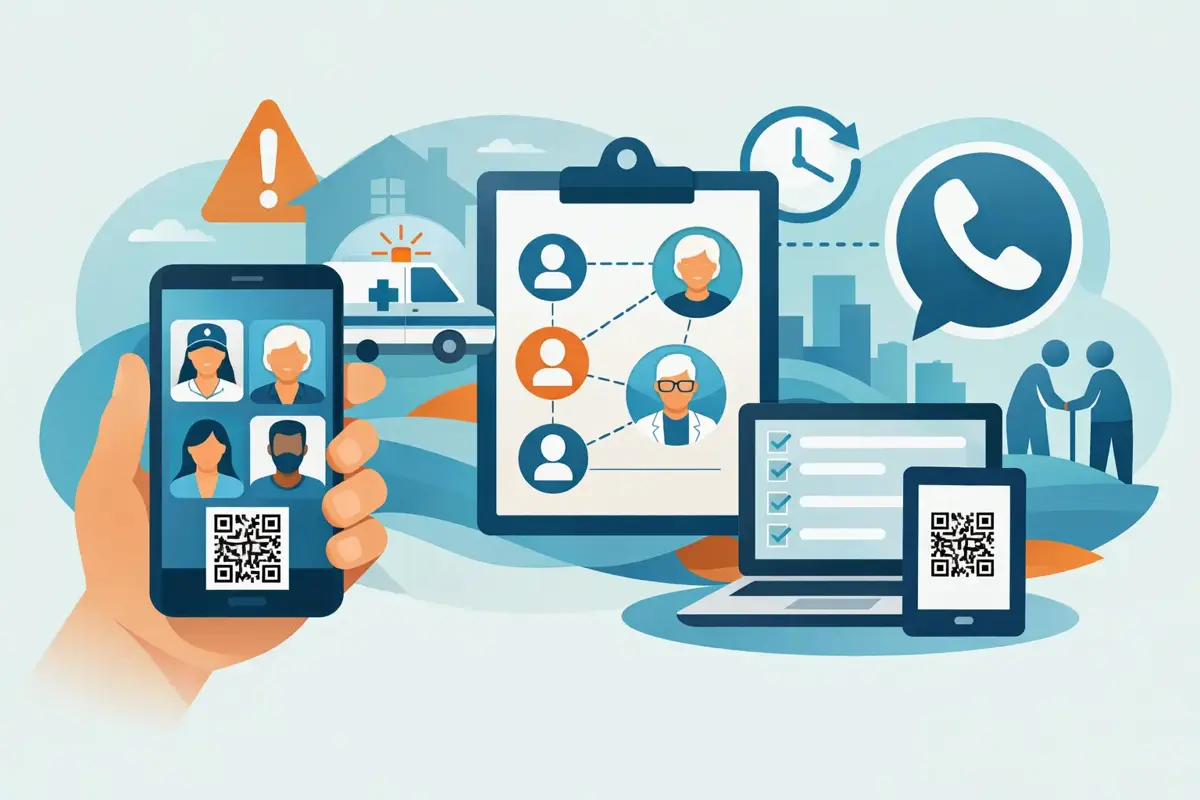
A missed call can be more than an inconvenience when someone depends on care. If an older parent has a fall, a child misses a pickup, or a person living with dementia becomes disoriented, the first person contacted may not be the person best placed to help. Knowing how to manage caregiver contacts means building a clear, current contact plan before anyone needs it.
The goal is simple: when something unexpected happens, the right person can be reached quickly without exposing private mobile numbers to every stranger who may need to help. A well-managed contact list gives carers, family members, neighbours and responders a practical path to action when time matters.
How to manage caregiver contacts for fast action
Start by thinking beyond the usual emergency contact field on a form. Caregiver contacts need an order, a purpose and enough context for someone else to make a sensible call. The person listed first should be able to answer or respond quickly, understand the situation and make decisions where needed.
For some families, that is a spouse or adult child. For others, it may be a paid carer during work hours, a neighbour who holds a spare key, or a sibling who lives nearby. The best contact is not always the closest relative. It is the person most likely to act.
Set up a primary contact and at least two backups. Give each person a defined role. One may be responsible for medical decisions and information, another for getting to the home, and another for collecting a child or caring for a pet if the primary contact cannot be reached. This avoids a stressful round of calls where everyone assumes somebody else is handling it.
Keep the order realistic. If your first contact works underground, drives long distances or cannot take calls during certain shifts, they may still be vital but should not be your only first call. Match the contact sequence to real availability, not family expectations.
Record the details that make a call useful
A name and mobile number are only the beginning. For every caregiver contact, record their relationship to the person, usual availability, suburb or travel distance, and whether they have access to keys, a vehicle or important documents. You should also note their preferred way to receive urgent messages if they are hard of hearing or often unable to answer calls.
A short note can prevent confusion. For example, a contact might be described as: daughter, available after 3 pm, has house key and medication list. This is more useful than a name alone when a neighbour, school office or emergency responder is trying to work out who can help next.
Be careful about where sensitive details are stored. Full medical histories, bank details, passwords and legal documents should not be displayed publicly. Share only the information needed to identify the right contact and start the right conversation. Once a trusted caregiver is reached, they can provide further details through the appropriate channel.
Build a contact order for different situations
Care needs change depending on where and when an incident happens. A single list can work, but a stronger plan considers the situations most likely to arise.
At home, the first priority may be someone with a key who can check on the person safely. For a child travelling to school or sport, the priority may be a parent, grandparent or authorised pickup person. On the road, it may be the contact who knows the driver's medical conditions, insurer details or location of family members. For a traveller, it may be someone who can confirm identity, arrange accommodation or help replace lost documents.
If the person receives professional care, include the care provider only when they have agreed to be contacted and have clear instructions about what they can do. Paid carers may be available only during rostered hours, so a family or neighbour contact remains essential outside those times.
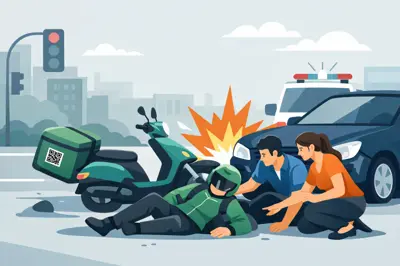
For urgent, life-threatening situations, a bystander should call Triple Zero (000) first. Caregiver contacts are there to support the response, provide context and take over practical care once emergency services are on the way. They are not a replacement for emergency assistance.
Ask for consent before listing anyone
Managing caregiver contacts is also about respecting other people's time and privacy. Speak to each nominated person before adding them. Explain what situations could trigger a call, what information may be shared and what you expect them to do if contacted.
This conversation often reveals gaps in the plan. A neighbour may be happy to meet an ambulance but not comfortable making medical decisions. A sibling may be willing to coordinate family updates but lives too far away to attend quickly. Those are not failures. They are useful boundaries that help you assign the right role to the right person.
For someone living with dementia, disability or a medical condition, involve them in the plan wherever possible. Ask who they trust, who they want contacted and what information they are comfortable sharing. A contact system should support their independence and dignity, not take control away from them.
Keep caregiver contacts current
A contact list is only reliable if it reflects real life. Mobile numbers change, people move house, relationships shift and care arrangements evolve. Review the list at least every six months, and straight away after a hospital visit, new diagnosis, move, change in care provider or major family change.
Put a reminder in the calendar for a date that is easy to remember, such as the start of daylight saving, a birthday month or the beginning of each school term. Then make a quick check: are the phone numbers right, does the contact order still make sense, does anyone need to be added or removed, and does each person still understand their role?
It is worth testing the plan as well. Send a non-urgent message to each person and ask them to confirm they received it. If you use a digital emergency contact system, check that the contact-routing details are active and that the nominated contacts can receive calls or messages. A two-minute test is far better than discovering a problem during an emergency.
Make contacts available without making them public
Many people put an emergency contact number inside a wallet, on a fridge or in a phone. These are useful backups, but they can be missed, lost or expose a private number to anyone who finds the item. The trade-off is between easy access and personal privacy.
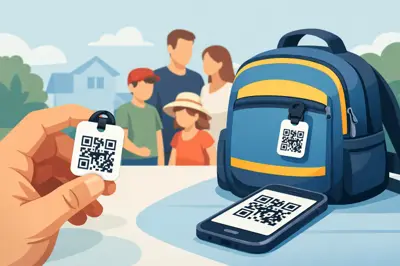
A QR contact tag provides a practical middle ground. When scanned, it can direct a finder, Good Samaritan or emergency responder to a way of contacting the owner or their nominated caregiver without printing personal mobile numbers in public. With ContactMeTag, contacts can be managed online, while the physical tag can stay on an item that is likely to be nearby when help is needed - such as a keyring, helmet, bag, wallet, vehicle or wearable item.
Placement matters. A tag hidden in a drawer will not help a neighbour at the front door. A tag on a child's school bag, an older person's keyring, a mobility aid or a pet collar is more likely to be found quickly. For a vehicle, place it where a responder or helpful passer-by can see it without needing to search through personal belongings.
Use more than one access point for higher-risk situations. For example, keep the contact plan in the person's mobile, maintain a printed version at home, and place a QR tag on everyday carry items. Redundancy is sensible when a phone battery is flat, a wallet is missing or the person cannot speak.
Give caregivers a simple response plan
Contacts need to know what to do after they receive an alert. Keep the instruction simple: confirm the person's location and condition if known, call emergency services if required, contact the next person in the plan, and bring the items that may be needed such as keys, medication information, identification or a charging cable.
Avoid creating a complicated chain of command that nobody can remember under pressure. If the primary contact cannot respond within a reasonable time, the caller should move to the next contact. What counts as reasonable depends on the situation. A missed school pickup may require action within minutes, while a lost bag may allow more time.
The most effective caregiver contact plan is one people can actually use. Take ten minutes this week to check the names, numbers and roles around the person you care about. When they cannot speak, a clear contact plan can speak for them - and help arrive sooner.