Vehicle Emergency Tag Buying Guide for Drivers
By ContactMeTag · · 7 min read
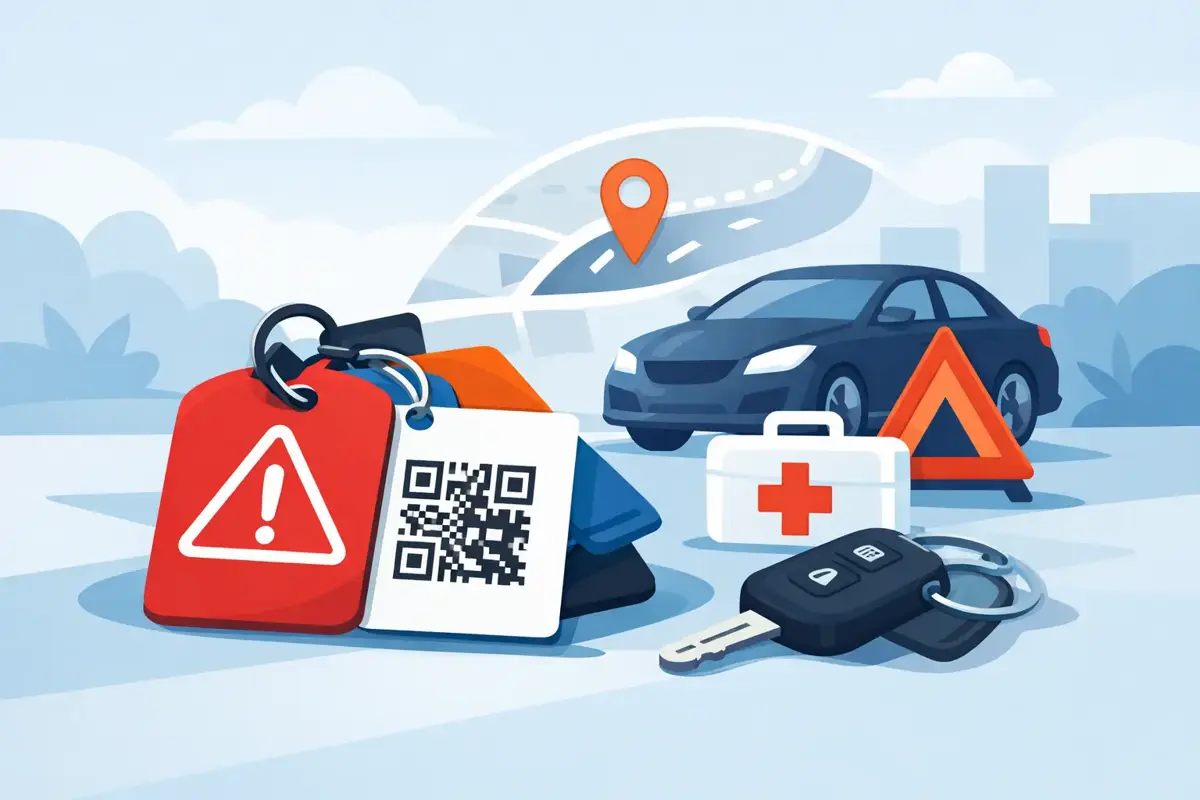
A vehicle can become a difficult place to communicate from in seconds. After a crash, a medical episode, a breakdown on a remote road, or even a minor parking mishap, you may be unable to reach your mobile or explain who should be contacted. This vehicle emergency tag buying guide helps Australian drivers choose a simple QR solution that gives the right person a fast way to make contact, without putting your personal mobile number on public display.
What a vehicle emergency tag should do
A vehicle emergency tag is not a replacement for calling Triple Zero (000), first aid, insurance or roadside assistance. It is a practical extra layer of preparedness. When a bystander, emergency responder or another driver scans the QR code with their mobile's camera, they should be able to quickly see clear contact options and reach you or a nominated emergency contact.
That matters in situations where a rego number does not help someone contact you, a note under the wiper can blow away, or your mobile is locked, flat or out of reach. It can also help when someone notices a hazard before it becomes an emergency: a window left down in the rain, lights left on at a shopping centre, a vehicle blocking a driveway, or damage caused in a car park.
The best tags make this process feel obvious. Scan. Choose a contact option. Send a message or place a call. No app download, account creation or search for a mobile number should be required from the person trying to help.
Start with the scenario you want to solve
Not every driver needs the same tag placement or contact setup. Before comparing materials and designs, think about the moments when another person may need to reach you.
For everyday parking, a visible tag can help a Good Samaritan notify you about a flat tyre, a leaking vehicle, an accidental bump or an unsecured pet in the back seat. For families, the priority may be giving emergency contacts a way to communicate if the driver is unable to speak. For caravan, four-wheel-drive and holiday-road travellers, reliable contact access may matter most when travelling far from home.
Motorcyclists have a slightly different need. A helmet tag can carry an emergency contact pathway with the rider, rather than leaving it on the bike. If you drive a work vehicle, consider whether a private emergency contact, a fleet contact or both should be available. Keep the information purposeful. A person scanning in a stressful moment needs a clear next action, not a page full of unnecessary details.
Emergency contact is different from public contact details
A printed mobile number is simple, but it is also permanently visible to anyone who walks past your vehicle. That can mean nuisance calls, spam, unwanted messages or personal details being photographed and shared.
A privacy-first QR tag gives you a better balance. The scanner can initiate a call or send a message, while your personal mobile number remains masked. You control which contacts are available and can update them later if your circumstances change. This is especially useful for shared family cars, young drivers, older drivers and anyone who does not want their mobile number sitting in plain sight on the windscreen.
Check how the service handles the connection. A useful system should make calls and messages free for the scanner, avoid requiring an app, and let you change nominated contacts online without replacing the physical tag.
Choose durability for Australian conditions
A tag fitted to a vehicle has to cope with more than an occasional splash. It may face hard summer sun, UV exposure, heat trapped behind glass, heavy rain, road dust, salt air and repeated cleaning. A cheap printed sticker can fade, lift at the edges or become too scratched to scan just when it is needed.
Look for a tag made from weatherproof materials with a QR code designed to stay high contrast. The code needs enough clear space around it for mobile cameras to recognise it quickly. Tiny, crowded codes can be harder to scan in poor light or when the vehicle is dusty.
Adhesion matters too. Consider whether the tag is designed for glass, painted surfaces, a helmet or another mounting location. The wrong adhesive can fail in heat or damage a surface when removed. If you lease your car, use a company vehicle or simply prefer flexibility, choose an option that can be positioned securely without creating a permanent problem later.
Australian-made products can also be a practical choice, particularly where materials and manufacturing are selected with local weather conditions in mind. The point is not the label alone. It is whether the tag will remain readable after months of real driving.
Pick a location people can find and scan
The most sophisticated QR code is no help if nobody sees it. Your tag should be visible enough for a person standing nearby to notice, yet placed where it does not interfere with safe driving or vehicle operation.
For many vehicles, an inside-windscreen placement is a sensible starting point because it protects the tag from direct weather while remaining visible from outside. Position it where a scanner can access it without needing to enter the vehicle. Avoid blocking the driver's view, safety labels, cameras, sensors or any equipment required for safe operation.
External placement can be useful for vehicles often parked outdoors, but it needs a properly weatherproof tag and a clean, flat surface. Never place a tag over a registration plate, lights, reflectors, parking sensors, cameras or vehicle identification markings. For a ute, caravan or trailer, choose a spot that remains easy to reach when the vehicle is loaded.
Once fitted, test it from outside the vehicle using more than one mobile if possible. Try in daylight and at night with a torch nearby. If you have to angle your mobile carefully or stand uncomfortably close, reposition the tag before relying on it.
Make the digital profile useful under pressure
The physical tag gets attention, but the contact profile is what turns a scan into action. Keep it current and easy to understand. Include the person or people who can genuinely respond if you cannot.
For most drivers, one primary contact and one backup contact is enough. A partner may be the obvious first choice, but ask whether they are likely to answer during work hours. A second contact could be an adult family member, close friend or carer. If your vehicle is shared, decide whether each driver needs their own contact arrangement or whether a household contact is more useful.
You may also choose to include a short message that helps a finder understand why they are scanning. For example, it could ask them to contact the owner regarding the vehicle, or direct them to call emergency services first if there is immediate danger. Keep wording calm and direct. Do not include detailed medical information, home addresses, licence details or anything else that creates unnecessary privacy risk.
If you travel often, review contacts before long trips. The person listed should know they are your nominated contact and understand what to do if they receive an unexpected call about your vehicle.
Compare the service, not just the sticker
Two tags may look similar, yet the experience after scanning can be very different. Buying on price alone may leave you with a QR code that sends people to a confusing page, requires an app, displays too much personal information or stops being useful after a short subscription period.
When comparing options, ask whether the tag offers lifetime service or ongoing fees, whether you can update contact details yourself, and what happens if you change mobiles. Confirm that the scanner can contact you without downloading anything or paying to use the system. It is also worth checking whether the brand provides straightforward activation instructions and support if you need help setting it up.
ContactMeTag is designed around this practical moment: a person scans a durable QR tag and can reach you or your nominated contacts while your private number stays private. The setup should take minutes, not technical expertise.
Do not treat a QR tag as a one-time purchase
A tag is only emergency-ready when its details are accurate. Review your contacts after a new mobile number, a move, a relationship change, a new vehicle or any change in caring arrangements. Test the scan occasionally, particularly after replacing a windscreen, having paintwork done or cleaning the area around the tag.
It is also wise to tell regular drivers of your vehicle that the tag is there. Teenagers borrowing the family car, a partner, or a friend using your ute should know what it does and why it matters. That small conversation can prevent confusion when someone asks about the QR code.
The right vehicle emergency tag is not about expecting the worst. It is about making it easier for someone to do the right thing when something unexpected happens. Fit it where it can be seen, keep the contacts current, and let every scan create a clear path to help.