Best Emergency Tags for Cars in Australia
By ContactMeTag · · 6 min read
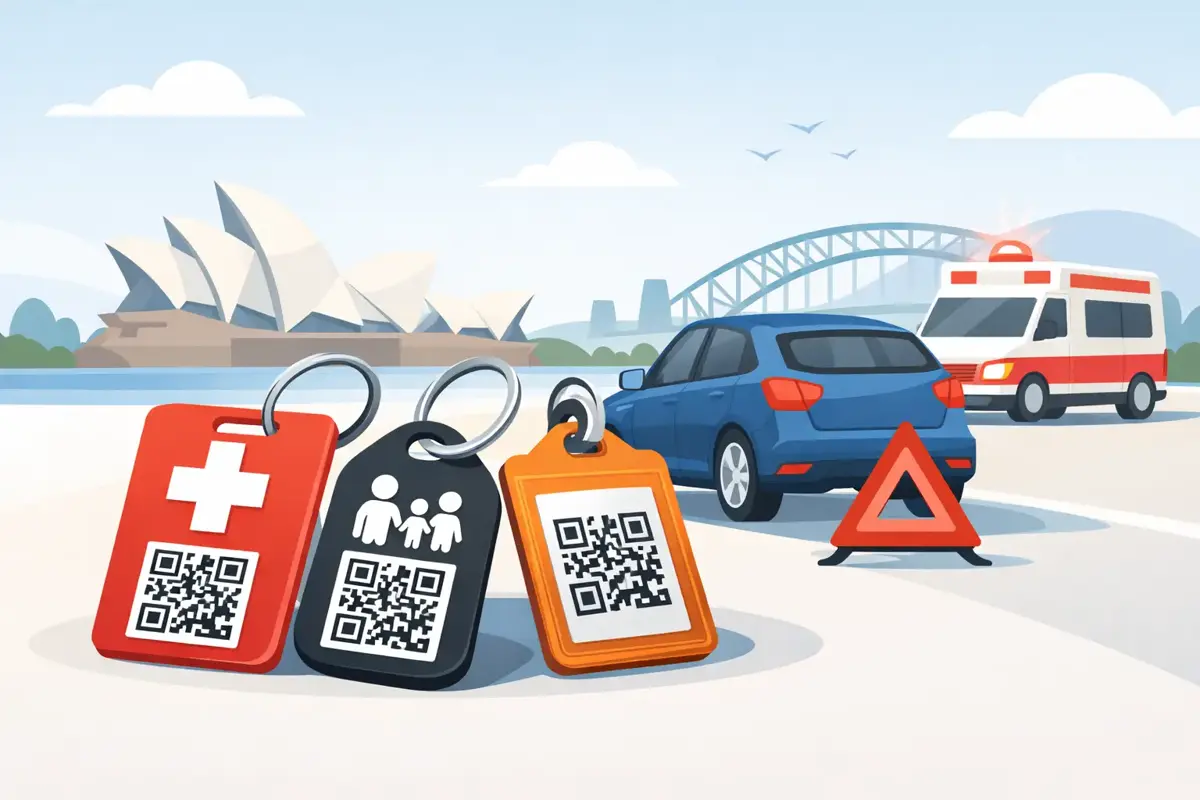
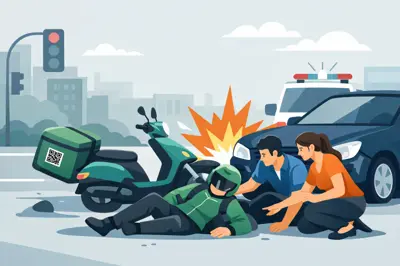
A crash on a quiet country road, a medical episode in a shopping centre car park, or a vehicle found after being left unattended can leave one critical question unanswered: who should be contacted? The best emergency tags for cars make that answer available in seconds, without displaying your mobile number on the windscreen for everyone to see.
A good car emergency tag is not just a sticker with a phone number. It is a clear, durable way for a bystander, first responder or authorised person to reach the right contact when you cannot explain the situation yourself. For Australian drivers, that means choosing a tag that is easy to find, simple to use and designed to protect privacy.
What makes an emergency tag useful in a real incident?
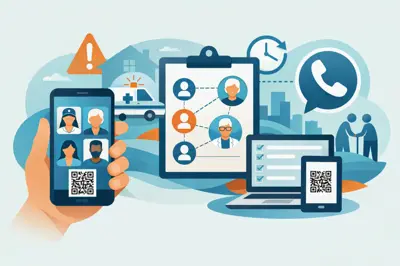
The value of an emergency tag comes down to one moment: someone sees it and knows what to do next. They should not need to download an app, create an account or search through instructions. A visible QR code can be scanned with a standard smartphone camera, opening a simple contact option straight away.
This matters when a driver is injured, disoriented or away from the vehicle. A Good Samaritan may be able to alert a partner, parent or nominated emergency contact before family members begin worrying or before important details are missed. It can also help when a car has been bumped, towed, found with lights on, or needs urgent attention while parked.
The tag should support communication, not create more confusion. Look for a design that clearly says it is for emergency contact, rather than leaving scanners to guess what the QR code does.
Best emergency tags for cars: features worth choosing
Not all QR tags are suited to a vehicle. A basic printed code may work indoors, but cars face heat, rain, UV exposure, cleaning products and constant temperature changes. The best option depends on where you drive and what information you need available, but a few features make a meaningful difference.
Weatherproof materials that stay readable
A tag is only useful if its code remains scannable. Choose a product made for outdoor use, with strong adhesion and materials that can handle harsh Australian sun, wet weather and regular washing. A faded, curled or peeling tag can be difficult to scan precisely when time matters.
Placement affects durability too. The inside of a side window or windscreen can offer protection, provided the tag remains visible from outside. Avoid areas blocked by dark tint, clutter, sunshades or items stored on the dashboard.
Privacy-first contact routing
Writing your phone number on a dashboard card might feel simple, but it leaves your personal number visible to anyone walking past. That can invite unwanted calls or messages long after a genuine incident has passed.
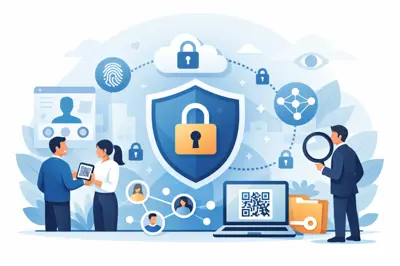
A privacy-first QR system lets a scanner call or message you, or your chosen contacts, without exposing those numbers publicly. This is particularly useful for families, carers and people who share a vehicle. You can nominate the person most likely to answer, rather than relying on one driver’s mobile being charged and within reach.
Check whether you can update contacts online. Life changes: mobiles are replaced, children become independent drivers, and emergency contacts move interstate. A tag that remains on the car while its contact details can be changed is far more practical than one tied to a handwritten number.
No app required for the person scanning
In an urgent situation, every extra step is a barrier. The person who finds your car should be able to use the phone already in their hand. No app download means fewer delays and a better chance they will follow through.
This is also more inclusive. Not every helpful bystander is technically confident, and emergency communication should work for ordinary people in ordinary moments. A camera scan, a clear screen and a direct way to make contact are enough.
Clear emergency purpose, without oversharing
Keep the outward message focused: this tag helps someone contact the owner or an emergency contact. You do not need to print your medical history, home address or full personal details on the vehicle.
If the platform allows additional information, use it carefully. Details such as a preferred contact person or a brief instruction may be useful, but only include information you are comfortable making available after a scan. An emergency tag is a communication bridge, not a substitute for official medical identification or emergency services.
A service that lasts beyond the purchase
A car may stay in your household for years. It is worth checking whether the tag includes ongoing access to update details and whether there are recurring fees. A low upfront price is less useful if the service stops later or your contacts cannot be managed easily.
Australian-made, weatherproof QR tags such as ContactMeTag are designed around this everyday need: fast contact without publishing private phone numbers. The key is to choose a service you will keep current and place where it can be seen.
Where should you place an emergency tag in your car?
Visibility and safety should guide placement. A tag near the lower corner of a side window is often easy for someone standing beside the vehicle to spot and scan. A windscreen placement can work too, as long as it does not obstruct your view or interfere with legal requirements, sensors or inspection labels.
Before fixing it in place, stand outside the car with another person’s phone. Can the code be seen without leaning across traffic? Is there glare at different angles? Can it be scanned through the glass? A quick test is better than assuming.
Avoid hiding the tag inside the glovebox, boot or centre console. Those locations may protect it, but they defeat the purpose if someone needs to make contact before they can access the car. Likewise, do not place it over airbags, warning labels or controls.
If you drive a ute, work vehicle, caravan or family SUV, consider the situations it faces most often. A tag visible from the driver’s side may suit a daily commuter. A caravan or trailer may need its own contact tag, because it can be separated from the towing vehicle or discovered while you are away.
Set up your car tag before you need it
Activation should take only a few minutes, but it deserves the same attention as setting up roadside assistance. Enter your details carefully, nominate at least one reliable emergency contact and make sure they know they have been listed.
Choose contacts who are likely to answer calls from unfamiliar numbers. A partner is a natural option, but think about backups. If you commute separately, travel for work or have school-aged drivers in the family, a second trusted adult can make the system more dependable.
Once activated, scan the tag yourself from another mobile. Test the contact path and check that the message is clear. Then repeat the test after any major change, such as a new phone number, a new car or a change to your emergency contact list.
It helps to tell household members where the tag is and what it is for. A learner driver may not think to mention it after a minor accident, yet it can be useful if they are shaken and waiting for help. Preparedness works best when everyone understands the plan.
What an emergency tag cannot do
Emergency tags improve communication. They do not call 000 automatically, provide roadside assistance, replace insurance details or guarantee that every passer-by will scan them. If there is immediate danger, serious injury, fire or a threat to life, emergency services remain the first call.
They also rely on sensible placement and accurate details. A code hidden by mud, a contact list that has not been updated, or a tag placed where nobody can see it limits its usefulness. This is why the best car emergency tag is often the one with the simplest process - one you can install properly, test and maintain.
For some drivers, a tag is primarily about accident readiness. For others, it is the reassurance of knowing a finder can reach them if their car is damaged in a car park, left with a window open or involved in an unexpected situation. Both are valid uses.
A small tag cannot prevent the unexpected. It can make the next step clearer: when you cannot speak, your QR code can help the right person reach you.