Transport Victoria QR Code News Explained
By ContactMeTag · · 6 min read
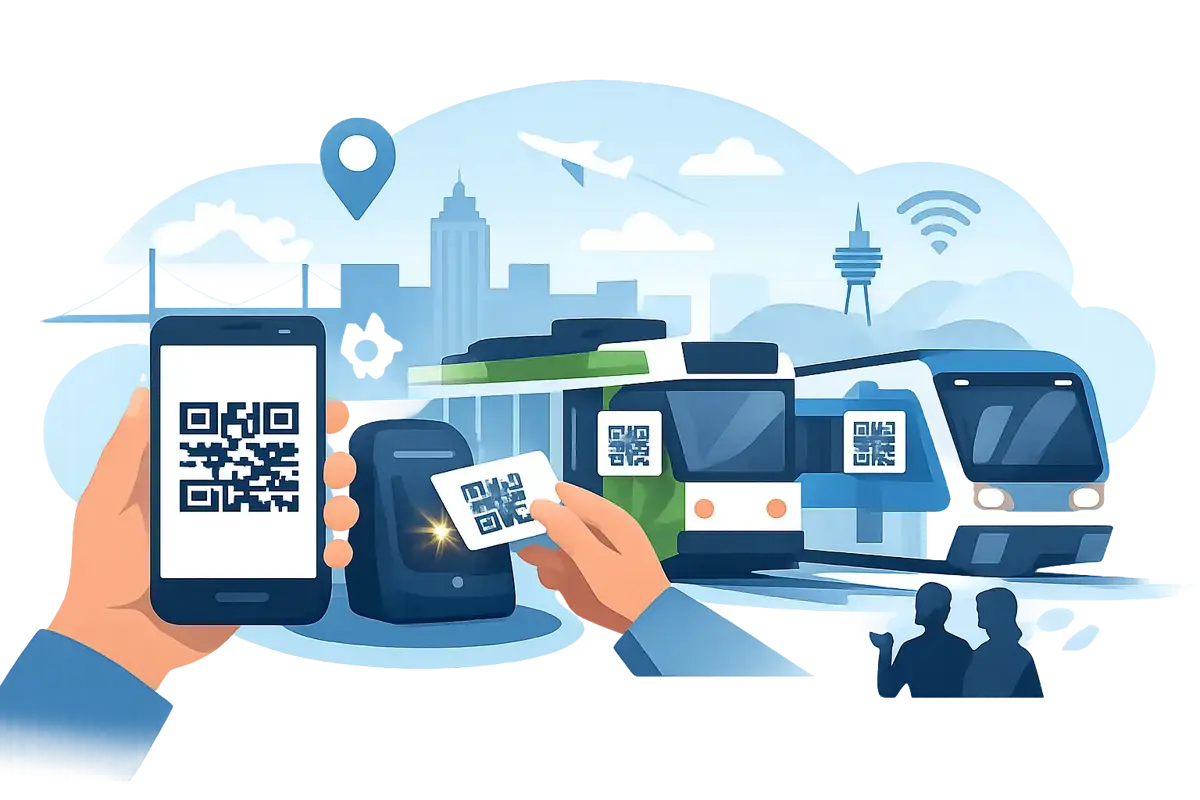
If you have been watching transport victoria qr code news lately, you have probably noticed a wider shift rather than a one-off update. QR codes are turning up across transport, public spaces and safety systems because they do one thing exceptionally well - they shorten the gap between a problem and the right information.
That matters when you are standing on a station platform with a service disruption, checking road travel advice before a regional drive, or trying to get urgent details to the right person after an incident. A scan is quick, familiar and easy for most people. But as with any public-facing technology, the real question is not whether QR codes are new. It is whether they are genuinely useful, private and reliable when people need them most.
Why transport Victoria QR code news matters
For everyday Victorians, QR code updates in transport are not really about the code itself. They are about reducing friction. Public transport operators, road authorities and service providers all have the same challenge: people need fast answers in real time, often while moving, stressed or distracted.
A printed sign can only say so much. A QR code can direct someone to live service information, replacement travel advice, incident updates, ticketing support or accessibility details. That is a practical improvement, especially in places where conditions change quickly.
There is also a broader behavioural shift behind the transport victoria qr code news cycle. Australians are now used to scanning codes in everyday life. During the pandemic, QR scanning became second nature for many people. Since then, the technology has matured into something more practical - less about novelty, more about immediate action.
Where QR codes make sense in transport
In a transport setting, QR codes work best when there is a clear next step. That could be checking live disruptions, reporting damage, accessing timetable changes or finding emergency instructions. The strongest use cases are simple and urgent.
For example, a commuter at a tram stop does not want to read a long explanation. They want to know whether the next service is running and what to do if it is not. A driver approaching a changed traffic condition wants accurate information fast. A parent travelling with children wants a straightforward answer, not a maze of menus.
That is where QR codes can help. One scan can move a person from confusion to action. When used properly, they remove guesswork and point people to the right channel straight away.
The practical upside - speed, clarity and less confusion
The best part of QR systems is not the technology. It is the time saved.
Transport environments are full of high-pressure moments. Delays, detours, missed stops, accidents and breakdowns all create stress. In those moments, people do not want to search manually for the right webpage, phone number or service desk. A visible QR code can put the next step in front of them immediately.
That same principle applies beyond trains, trams and buses. It also applies to personal transport, road travel and roadside emergencies. If a driver is involved in an incident, or if a bystander needs a fast way to help, a QR code can act as a direct communication trigger. When you cannot explain everything in the moment, a scan can do some of the work for you.
What transport Victoria QR code news does not solve
QR codes are useful, but they are not magic. They still depend on good implementation.
If signage is unclear, people will ignore it. If the page behind the scan is slow, outdated or confusing, trust drops quickly. If the code sends users through too many steps, the benefit disappears. Public technology only works when it feels easier than the alternative.
There is also the reality that not everyone wants to scan a code in public. Some people are cautious about scams. Others have limited mobile data, older phones or accessibility needs that make scanning harder. That does not mean QR codes should be avoided. It means they should be treated as one practical option, not the only one.
This is where transport providers need balance. The smartest systems support QR access without removing clear printed instructions, staffed support or standard contact channels.
Privacy is the real issue people care about
When people read transport victoria qr code news, privacy concerns are often sitting just below the surface. Australians are increasingly alert to where a scan leads, what information it collects and whether it exposes them to spam, tracking or security risks.
That caution is fair. A QR code is only as trustworthy as the system behind it.
In public transport, that means codes should point to official, secure information and avoid collecting unnecessary personal details. In personal safety settings, it means something even more important: helping people make contact without putting private phone numbers or home details on display.
That distinction matters in the real world. If you put contact information openly on a helmet, keyring, bag, school item or vehicle, you may solve one problem while creating another. A privacy-first QR system gives people a safer middle ground. Someone can scan and reach the right person, while the owner keeps control of what is shared.
What this trend tells us about everyday safety
The bigger story behind QR code adoption is not transport alone. It is the growing expectation that help should be easier to access in any urgent situation.
Think about how often that need shows up in daily life. A cyclist comes off on a quiet road. A child’s school bag is left behind on a bus. A pet slips out through an open gate. A wallet is found in a car park. A driver has a medical episode and cannot speak clearly. In each case, the first challenge is not a lack of goodwill. It is a lack of immediate contact.
That is why QR technology is spreading. It turns a passive object into an active contact point. When done properly, it reduces the delay between discovery and response.
For families, travellers and drivers, that is not a gimmick. It is practical preparedness.
How to judge whether a QR code system is actually useful
Not all QR solutions are equal. The best ones are built around what happens after the scan.
If the process is complicated, it will fail under pressure. If a scanner has to download an app, create an account or reveal too much of their own information, many simply will not continue. In a genuine emergency, every extra step lowers the chance of action.
A useful QR setup should be easy for the scanner, fast for the owner to set up, and protective of personal privacy. It should work in ordinary moments as well as serious ones. That could mean helping return lost property, alerting a family member, or giving first responders a better way to reach someone quickly.
This is where businesses in the QR safety space have an opportunity to do more than copy a trend. They can solve a very real communication problem. ContactMeTag, for example, is built around that exact gap - helping someone make immediate contact without exposing the owner’s private number and without asking the finder to install anything.
What to expect next from transport Victoria QR code news
The next phase is likely to be less flashy and more practical. We will probably see QR codes used more consistently for live updates, service changes, incident reporting and customer guidance. The novelty has passed. Now the pressure is on usefulness.
That is a good thing. Public-facing technology should not chase attention. It should reduce confusion, improve response times and make the right action obvious.
We should also expect higher standards from users. People are more comfortable scanning now, but they are also more selective. They want official sources, clear outcomes and confidence that a scan will not waste time or expose private information.
For transport providers, the lesson is straightforward. QR codes should support people when they are moving fast, under stress or unable to explain what they need. For households, drivers and carers, the same lesson applies at a personal level. If a simple scan can connect the right person at the right moment, it is worth taking seriously.
The real value in transport victoria qr code news is not the headline. It is the reminder that fast contact saves time, reduces stress and can make a bad situation easier to manage. When a system helps the right person act quickly, every scan counts.