Why a Privacy Safe QR Code Tag Matters
By ContactMeTag · · 6 min read
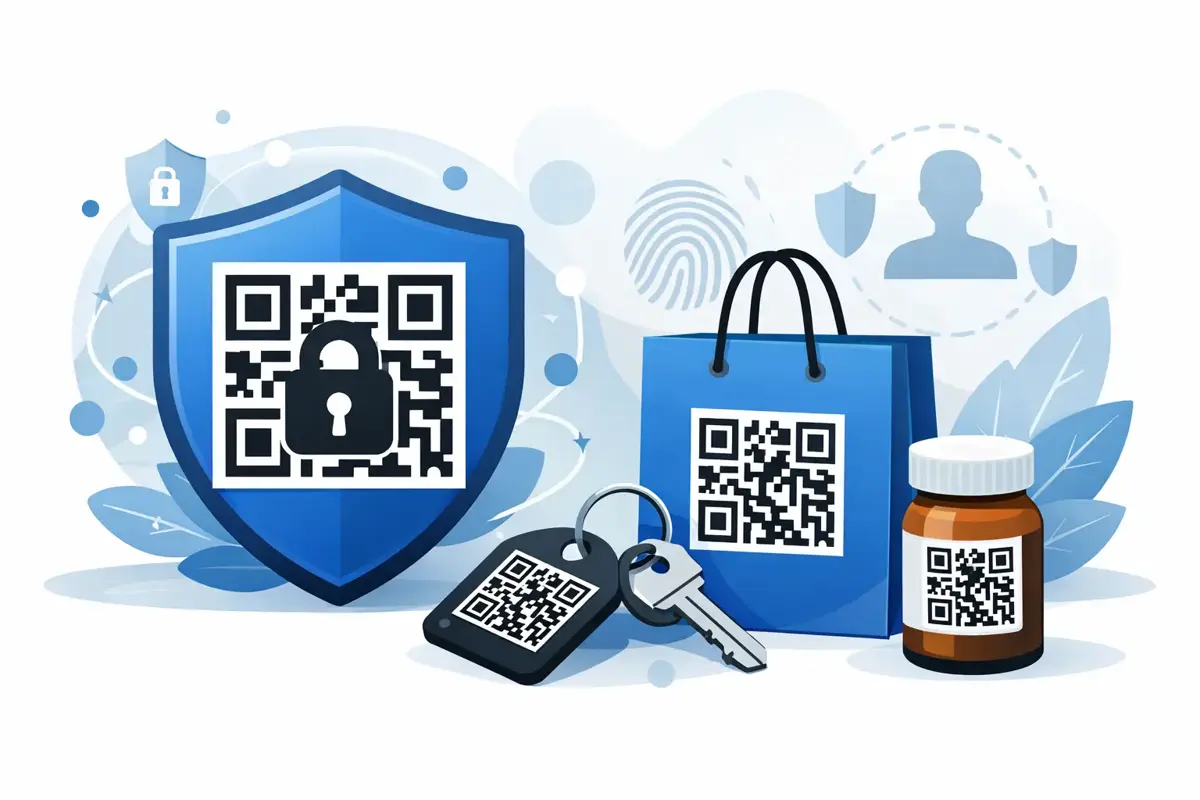
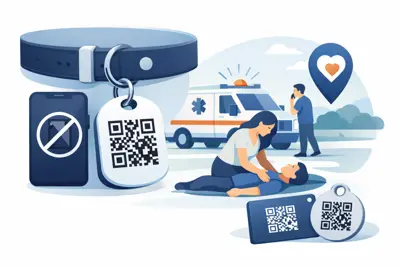
A stranger finds your child’s school bag at the oval. Your wallet slips out at the servo. You come off your bike and can’t answer questions. In those moments, a privacy safe QR code tag does one job exceptionally well - it helps the right person reach you fast without putting your phone number, address or other personal details on display.
That balance matters more than most people realise. Traditional ID labels often force a poor trade-off: make your contact details visible so people can help, or keep your details private and risk no one knowing what to do. A privacy-first QR tag changes that. It gives finders, Good Samaritans and emergency contacts a direct path to action while keeping your personal information protected behind the scan.
What a privacy safe QR code tag actually does
At its simplest, a QR code tag connects a physical item or person to a secure digital contact page. Someone scans the code with their mobile camera and is guided to a page that helps them contact the owner or nominated person. The scanner does not need an app. That matters in urgent situations because every extra step is a chance for someone to give up.
The privacy-safe part is what happens behind the scenes. Instead of printing your mobile number on a tag attached to your keys, helmet, pet collar or luggage, the system routes contact through a protected layer. That means the person trying to help can still call or message, but your direct number is not publicly exposed on the tag itself.
For everyday Australians, that solves a real problem. You want your child’s backpack returned if it is left on the bus. You want someone to contact your emergency person if you are injured on the road. You want your holiday home or locked gate to have a clear contact option if something goes wrong. But you probably do not want private details visible to anyone who picks up the item or walks past it.
Why privacy matters just as much as speed
In an emergency, speed is everything. But speed without privacy can create new risks.
A printed phone number on a keyring or luggage tag can be copied, photographed or misused. A home-access label with too much information can reveal where you live or how to reach you directly. For children, older relatives, or people managing a medical condition, oversharing contact details can feel especially uncomfortable.
A privacy safe QR code tag reduces that exposure. The person scanning gets a simple path to take action, but they only see what is necessary for that moment. That could be a call button, a message option, emergency contact instructions, or a brief note such as allergy information or return guidance. The system is designed around useful access, not open access.
That distinction is what makes these tags practical rather than gimmicky. They are not about flashy tech. They are about getting help moving quickly while keeping control of your personal details.
Where a privacy safe QR code tag makes the biggest difference
The strongest use cases are the ones where time, stress and confusion collide.
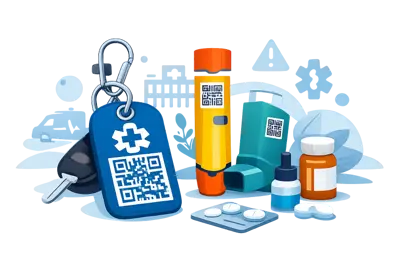
On the road, a tag on a helmet, bike or vehicle can help bystanders contact someone quickly if you are unable to speak. When travelling, a luggage tag can turn a lost bag into a quick phone call rather than a guessing game. Around the house, a QR tag on keys, wallets and laptops gives honest finders a straightforward way to reach you without seeing more than they need to.
For families, the value becomes even clearer. Parents can place a tag on school bags, lunch boxes or jackets so lost items have a clear route home. Carers can use them for a loved one living with dementia, where a calm, immediate contact option can make a distressing situation easier to manage. Pet owners can attach one to a collar so a found pet is reunited faster, without printing the owner’s full details on the tag.
There is also a practical benefit for property access. A weatherproof tag on a gate, holiday rental, shed or letterbox can give trades, neighbours or helpful passers-by a way to report an issue quickly. You stay contactable without publicly broadcasting your direct number.
What to look for in a privacy safe QR code tag
Not all QR tags are built for the same job. Some are little more than a code linked to a static web page. That might work for basic information, but it is not ideal when contact details change or when privacy is the whole point.
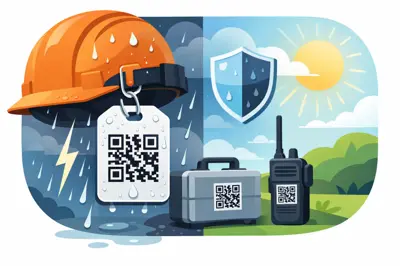
A better option is a system that lets you update contacts online, route communication without exposing personal numbers, and work instantly from a standard mobile scan. Durability matters too. A tag used on a motorbike helmet, pet collar, keyring or suitcase has to cope with rain, sun, scratches and daily wear.
It is also worth checking how much setup friction is involved. If activation is confusing or requires an app for the scanner, real-world usefulness drops sharply. In a stressful moment, simple wins. Scan. Tap. Call or message. That is the standard that matters.
Australian buyers should also think about where and how the product is made. A tag meant for hard outdoor use needs materials that stand up to local conditions. Heat, wet weather and rough handling are not edge cases here - they are normal life.
How setup should work
A privacy safe QR code tag should not take an afternoon to configure. The best systems are set up in minutes.
You activate the tag online, assign the contact details or emergency contact pathway, and choose what information should be available when scanned. That could be as simple as a masked call or message option. In some cases, it may also include short notes that help the scanner understand what to do, such as who to contact first or whether the tag belongs to a child, pet or person with a medical condition.
The key is control. Your details should be editable without replacing the physical tag. If you change your mobile number, update your emergency contact, or want a different contact option while travelling, the system should adapt with you.
That flexibility is one reason QR-based safety tags are more useful than old-school engraved labels. The physical tag stays put. The contact pathway behind it can change whenever life does.
The trade-off people get wrong
Some people assume privacy features slow things down. Others assume visible details are the only reliable option. In practice, both views miss the point.
A visible phone number may look faster, but it also creates exposure you cannot take back. A badly designed digital system may protect privacy, but if it is clunky or depends on downloads, people may not use it. The right privacy safe QR code tag sits in the middle - immediate enough for real emergencies, private enough for everyday use.
It also helps to be realistic about context. A tag is not a replacement for emergency services, and it does not solve every scenario. What it does do is remove friction at the exact moment someone is trying to help. That is often the difference between a lost item staying lost and being returned, or between confusion at an accident scene and a fast call to the right person.
Why this matters for everyday safety
Preparedness usually looks ordinary until the day it matters. A tag on a keyring, helmet, bag or pet collar can feel small. But small tools are often the ones people actually carry, use and benefit from.
That is why privacy-first design matters so much. If a safety tool asks you to expose too much personal information, many people simply will not use it. If it protects privacy while making contact easy, it becomes something you can confidently attach to the things and people that matter most.
ContactMeTag is built around that simple idea: when you cannot speak, your tag should. Not by sharing everything, but by helping the right person reach you at the right time.
A good safety system does not ask you to choose between being contactable and being private. It gives you both, in a form people can use quickly when every scan counts.