Top Child Safety Identification Tools for Families
By ContactMeTag · · 6 min read
A crowded footy match, a busy airport terminal or a quick stop at a shopping centre can turn stressful in seconds when a child becomes separated from their adult. The top child safety identification tools are designed for that exact moment: helping a helpful stranger, venue staff member or first responder contact a parent quickly, without putting a child’s private details on public display.
Identification is not a substitute for close supervision, family meeting points or teaching children what to do if they cannot find you. It is a practical backup. The right option gives another adult clear, safe information when your child is upset, too young to explain, or simply cannot remember a mobile number.
What a child safety ID needs to do
A useful child safety ID has one job: reduce the time between a child being found and their parent or carer being reached. That sounds simple, but the details matter. A tag must be easy to spot, easy for an adult to use and durable enough to survive school bags, playgrounds, rain and regular washing.
Privacy matters just as much. Writing a child’s full name, home address and a parent’s mobile number where anyone can see it creates a different risk. The strongest tools make contact possible while limiting what is publicly visible. They should also work without expecting the finder to download an app, create an account or understand complicated instructions.
For most Australian families, the best choice depends on where the child spends time, their age and whether the ID needs to handle medical information. A toddler at the beach has different needs from a primary school student catching the bus or a teenager travelling with sport.
Top child safety identification tools to consider
Medical ID wristbands
A medical ID wristband is a familiar and direct option, particularly for children with allergies, diabetes, epilepsy, autism-related communication needs or other information a first responder may need to know. It stays with the child and can carry a short, clearly engraved message.
Its strength is immediate visibility. A teacher, surf lifesaver or paramedic can see a wristband without needing a phone. The trade-off is space. A bracelet cannot hold much information, and permanent engraving may expose a parent’s phone number to anyone nearby. Wristbands can also be removed, lost or rejected by children who dislike wearing jewellery.
For medical needs, keep the message brief and action-focused. Include the condition or allergy, any critical instruction approved by your health professional, and a safe way to reach a parent or emergency contact.
QR code wearable tags
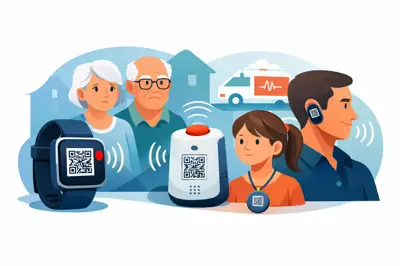
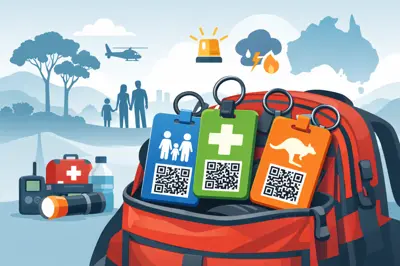
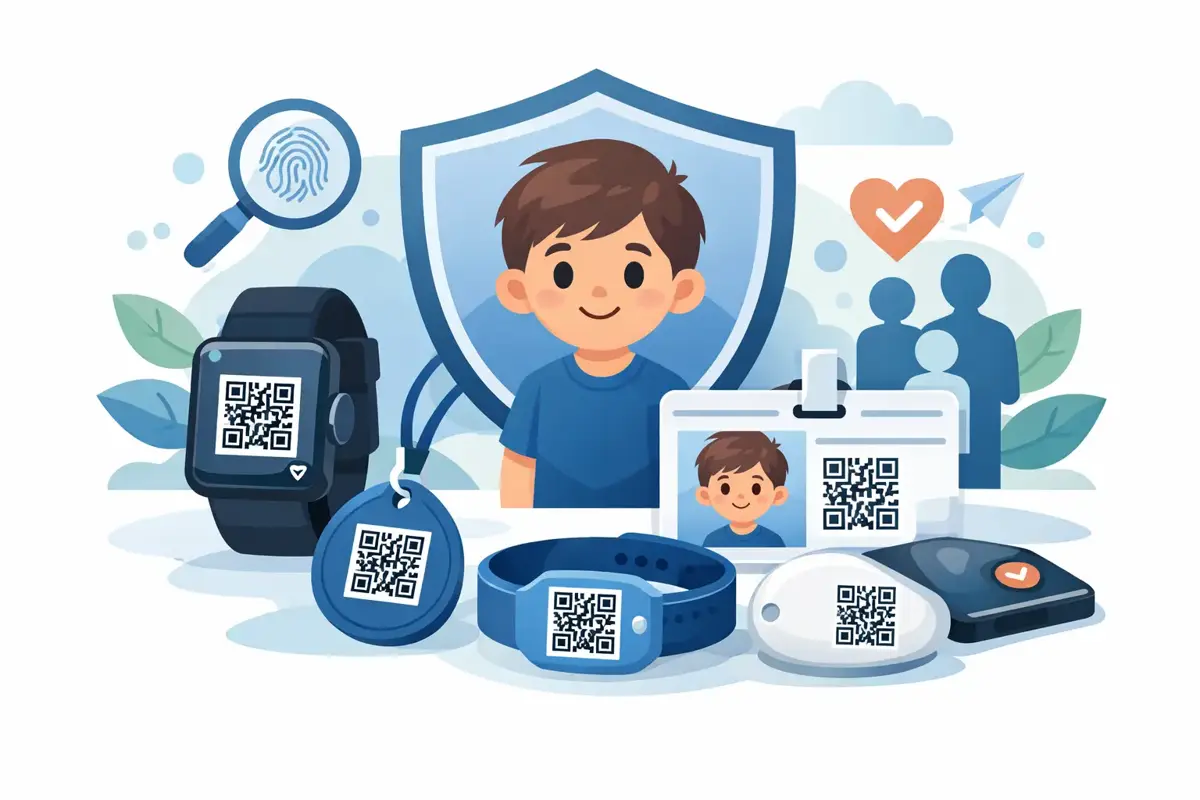
A QR tag on a wristband, bag tag, shoe tag or lanyard combines a visible physical item with more flexible contact details. A finder points their mobile camera at the code and follows the on-screen prompt. The information available after scanning can be tailored to the situation, such as a request to call a parent, a second emergency contact and concise medical notes.
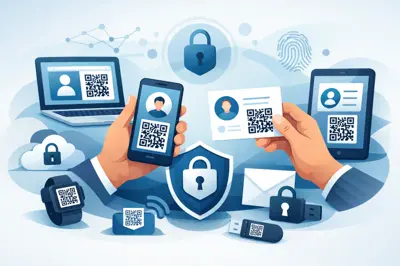
Privacy-first QR systems are especially useful because the parent’s mobile number does not need to be printed on the tag. Contact can be routed through the service, so the finder can call or message without seeing personal numbers. This also means contact details can be updated online if a mobile number changes, without replacing every tag.
ContactMeTag is one example built for this practical, no-app approach. Its weatherproof Australian-made tags can be set up in minutes and allow nominated contacts to be reached while their numbers remain masked. For a child who carries a school bag, wears a bike helmet or travels between households, that flexibility can be more useful than a single engraved item.
The limitation is that a QR tag relies on a working smartphone camera and mobile coverage or Wi-Fi. Most people have a phone ready, but a well-planned setup should still include a short instruction on the tag, such as “Scan to contact parent”, so the next step is obvious.
Printed emergency contact cards
An emergency contact card in a school bag, wallet or jacket pocket is low-cost and easy to replace. It suits older children who can be taught to show it to a teacher, police officer, shop staff member or another safe adult if they are lost.
Cards are useful as a second layer, not the only layer. They can be left at home, soaked by a drink bottle or missed entirely if a child is distressed. Avoid listing a home address. Use a parent or carer contact method, an emergency contact, key health information and a simple instruction such as “Please call Mum or Dad”. Laminating the card helps it last.
Temporary safety tattoos and write-on wristbands
For a day at the Royal Easter Show, a festival, a holiday park or the beach, temporary tattoos and write-on wristbands offer quick identification. They are visible, inexpensive and handy for young children who are not carrying a bag.
They are best treated as short-term tools. Ink can fade with sunscreen, swimming and sweat, while a write-on band leaves phone numbers visible to the public. If you use one, place only the minimum contact detail needed and remove it once the outing ends. A QR-based temporary tag can offer better privacy where available.
GPS watches and location trackers
A GPS watch or tracker can help a parent locate a child, but it is not the same as a child identification tool. Location features can be helpful on a family holiday, during a walk to school or for an older child with agreed independence. However, the device may be flat, left in a bag, out of coverage or unable to provide a clear way for the person standing with your child to reach you.
Use a tracker as an extra layer rather than relying on it alone. Pair it with visible contact information or a QR safety tag. One tells you where the device may be; the other helps the adult who has found your child take immediate action.
How to choose the right identification tool
Start with the scenario you want to prepare for. For everyday school and sport, a durable QR tag on a bag or helmet can work well. For a child with a medical condition, a visible medical wristband plus a private QR contact method provides both immediate awareness and fuller information. For a one-off family outing, a temporary option may be enough, provided you check it remains readable.
Then consider your child. Some children will happily wear a wristband, while others will take it off within minutes. A discreet tag attached to a favourite backpack, shoelace or jacket zip may be more reliable. If your child moves between school, after-school care, grandparents’ homes and sport, use more than one tag so safety is not dependent on one item making it back each day.
Finally, test the contact process yourself. Scan the QR code, check the phone rings or messages reach the right person, and make sure a second trusted adult is listed. Review these details after a change of mobile number, school, medication or custody arrangement.
Set it up without sharing too much
The best safety information is specific enough to help and limited enough to protect your child. A finder generally needs to know who to contact, how to reach them and whether there is an urgent medical consideration. They do not need a full address, daily routine, school timetable or lengthy personal history.
Use clear language your child can understand too. Practise a simple plan: stop where you are, look for a uniformed staff member or a parent with children, say your first name and explain that you cannot find your grown-up. Show them where their tag or card is located. For young children, rehearse this at home as calmly as you would practise looking both ways before crossing a road.
Tell schools, carers and relatives that your child has an identification tool and where it is attached. This prevents a QR tag from being mistaken for a decoration or removed when a bag is reorganised. If the tag includes medical information, make sure the wording matches your current care plan.
A child safety ID is quiet preparation for a moment nobody wants. Choose one your child will actually keep with them, protect the details that should stay private, and make sure a kind stranger can reach you when every minute feels longer than it should.