The ContactMeTag Journal
Secure Holiday Property Access Without Spare Keys
Secure holiday property access without leaving keys under the mat. Use privacy-first QR contact tags to help trusted visitors reach you quickly fast.
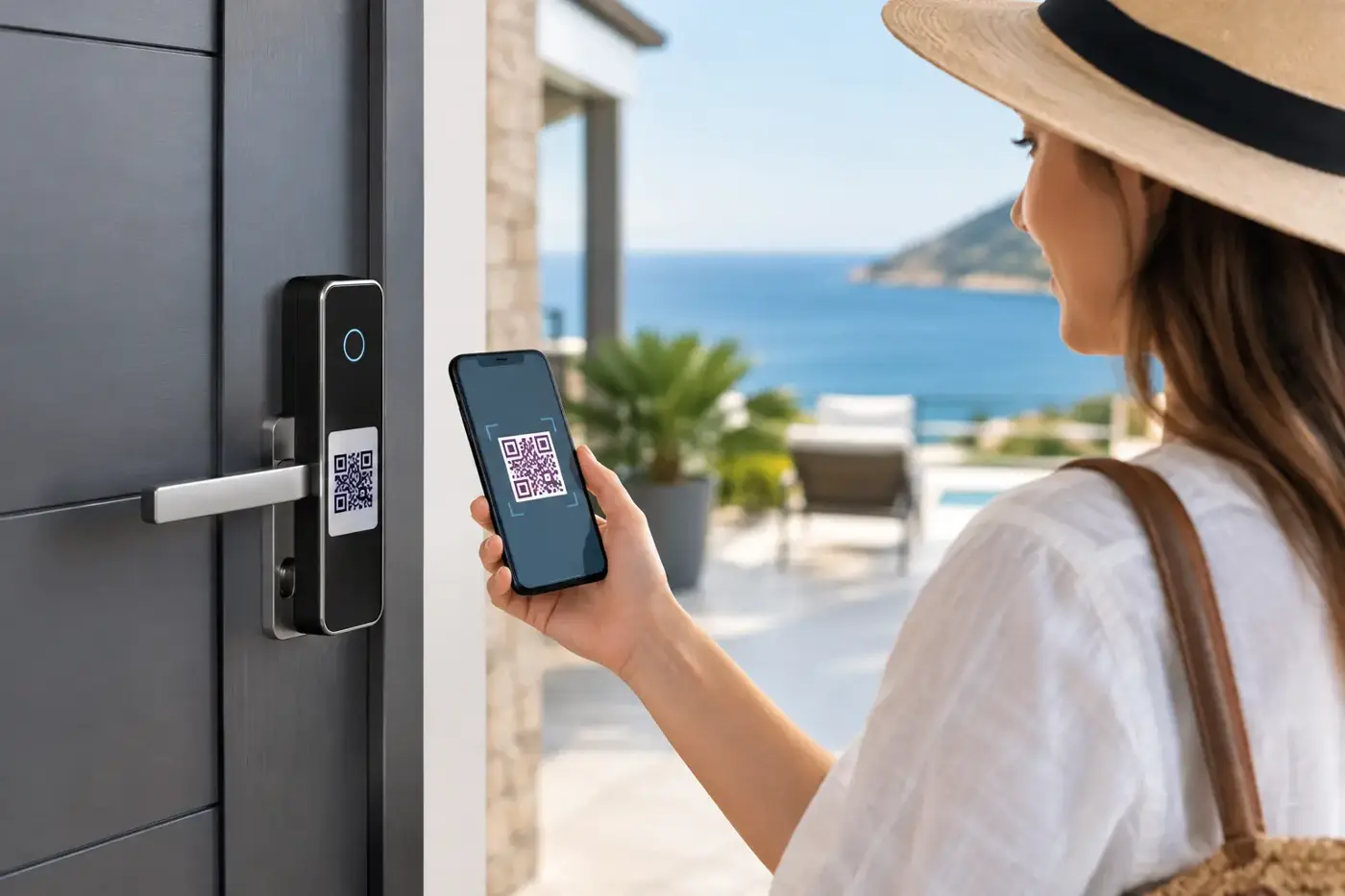
A locked holiday house can quickly become a problem when a cleaner arrives early, a neighbour spots a leaking tap, or a guest cannot find the key safe. Secure holiday property access is not about making your home easier for everyone to enter. It is about making sure the right person can reach you quickly, without leaving spare keys, alarm details or your private mobile number exposed.
For many Australian holiday-home owners, the property sits empty for weeks at a time. A missed call can mean a frustrated guest at the gate, a tradie unable to deal with urgent damage, or a small issue becoming an expensive one. A simple, privacy-first contact point at the property gives people a clear next step when they need help.
Why spare keys create a weak point
The old solutions are familiar: a key under a pot plant, a key safe with a code shared by text, or a spare held by someone down the street. Each can work in the right circumstances, but each adds risk.
A hidden key can be found. A key-safe code can be forwarded, forgotten or left unchanged after guests, cleaners or contractors stop visiting. A neighbour may be away when you need them most. More importantly, these options often mix two separate decisions: confirming who needs help and giving them physical entry.
Those decisions should not happen at the same time. First, make contact. Then confirm the situation and the person. Only then decide whether access is appropriate.
That is the practical role of a QR contact tag. It does not replace a proper lock, key safe or smart lock. It provides a fast communication path when someone is standing outside your property and you need to make a decision from wherever you are.
What secure holiday property access looks like
A safer setup has layers. Your doors, gates and windows should remain properly secured. Any physical key storage should be weatherproof, well-positioned and managed carefully. Your contact method should let a legitimate visitor reach you or a nominated local person without publishing anyone’s number on a sign or key safe.
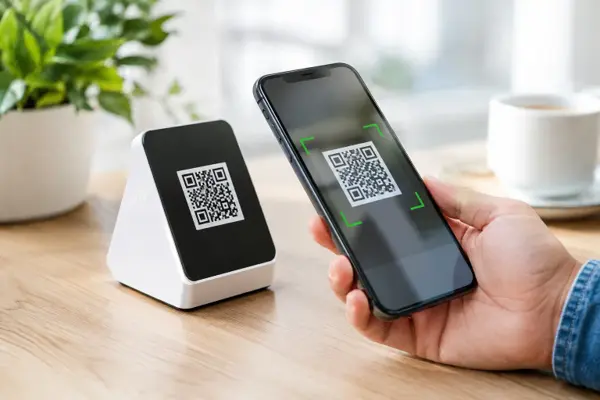
A QR contact tag can be placed where it is useful but not relied on as the only security measure. Common locations include near a front gate, on a lockbox, inside a weatherproof notice holder, or near the main entry for guests and service providers to see. When scanned with a mobile camera, the person can call or message the owner or nominated contact through the contact-routing system.
They do not need to download an app. They do not need to know your phone number. The scanner’s call or message can be free, while your personal contact details remain masked.
This is particularly useful when plans change. Perhaps your guest arrives before check-in instructions are sent. Perhaps a cleaner finds the keypad flat. Perhaps a neighbour notices water running from an outdoor tap. Instead of searching old messages or knocking on doors, they have one clear action: scan the tag and make contact.
Keep access details separate from the QR code
A QR code at a holiday property should never reveal the information that lets someone walk straight in. Avoid putting alarm PINs, Wi-Fi passwords, lockbox codes, exact key locations or a detailed list of when the house is empty into the QR destination.
The tag should open a communication channel, not a digital instruction sheet for entry. Once you have spoken with the person and checked who they are, you can provide the next step privately. That may mean sharing a one-time smart-lock code, directing them to a local keyholder, or arranging for a property manager to attend.
This separation gives you control. A genuine guest can get help quickly, while a person with no legitimate reason to be there receives no access information simply by scanning a visible code.
Use nominated contacts for local decisions
If you regularly travel somewhere with poor reception, live several hours away, or simply do not want to manage every call, nominate a local contact. This could be a trusted neighbour, property manager, family member or cleaner who understands the home and knows when to escalate.
Choose people who are willing and able to respond. They should know what the tag is for, what they are authorised to do, and what requires your approval. For example, a neighbour may be allowed to inspect an external water leak, while only you can approve guest access outside the booked dates.
Review these contacts before each busy holiday period. People move, change numbers and take holidays too. A contact system is only useful if the right people are still reachable.
Set up a practical response plan
The technology is simple, but a few minutes of planning makes it much more effective. Think through the common situations before someone is waiting at your front gate.
Start by deciding who should receive the first contact. For a short-stay property, this may be you and a local co-host. For a family shack used by several relatives, it may be two family members and a nearby neighbour. Keep the group small enough that responsibility is clear.
Then decide what each situation requires. A guest locked out needs identity checked against the booking before you send a code or arrange a key. A contractor needs confirmation they were expected and authorised. A person reporting storm damage may only need to speak with you or your property manager. An emergency service worker may need immediate details about access, hazards or occupants.
It also helps to keep your own access information organised away from the public tag. Store key-safe instructions, smart-lock administration details, emergency shut-off locations and trusted contractor numbers in a secure place you can reach while travelling. Do not assume you will remember every detail during a late-night call.
Where a QR contact tag helps most
Holiday properties create unusual access moments because owners are often not nearby. A contact tag is valuable in the small gaps that keys and bookings do not cover.
It can help a guest reach you when their arrival instructions are missing, or help a cleaner report that a window has been left open. It can give a gardener a way to confirm a changed visit time and give a neighbour a direct path to alert you about a fallen branch after a storm. If a family member arrives unexpectedly and cannot reach the usual keyholder, they can make contact without needing your number.
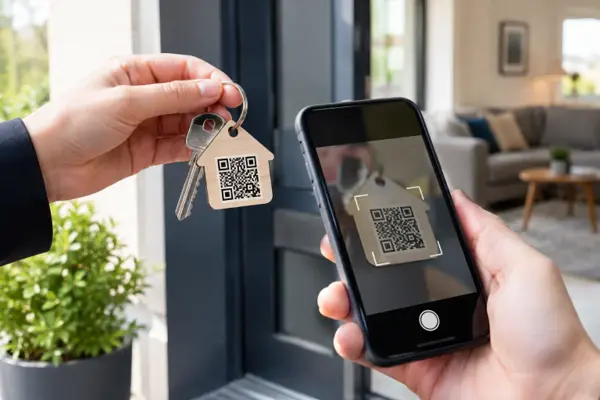
It is also useful for property identification. If a key ring, remote control or access card is misplaced away from the house, a finder can scan its tag and contact you without seeing your private details. That makes recovery more likely and reduces the chance that a lost item becomes a wider security issue.
ContactMeTag is designed for exactly these real-world moments: durable, weatherproof QR tags paired with online contact management, so a scan creates a direct route to help without displaying your personal phone number.
Placement matters more than you think
A tag that is hidden too well will not help an honest visitor. A tag placed beside obvious security instructions can create unnecessary attention. Aim for practical visibility rather than publicity.
At a gated property, placing the tag near the intercom or gate latch gives a visitor a way to contact you before entering. At a unit or apartment, a tag inside a secure common area may be more suitable than one visible from the street. For a key safe, position it so an authorised person can see the contact option without placing sensitive instructions on display.
Use a durable tag suited to sun, rain and coastal conditions. Check it occasionally for fading, damage or grime, particularly after storms and during high-turnover periods. Test the scan from a few different mobiles. A safety tool needs to work when someone is rushed, standing in the rain or unfamiliar with your property.
Security still depends on judgement
No tag can verify every person automatically. A caller may sound convincing. A message may come through when you are busy. That is why the final access decision should stay with you or a clearly authorised contact.
Ask simple verification questions before sharing codes or entry instructions. Check the booking name, expected arrival date, contractor job details or the name of the person who arranged the visit. If something does not match, pause and call through a known number rather than relying on the incoming request.
For higher-risk properties, combine this approach with a smart lock that supports temporary codes, a monitored alarm and a professional property manager. For a modest family holiday place, a good lock, carefully managed key safe and QR contact route may be enough. The right setup depends on the property, its location, visitor turnover and how quickly a trusted person can attend.
A holiday property should feel easy to enjoy, not difficult to protect. Give legitimate people a simple way to reach you, keep entry details private until they are needed, and make every access decision with confidence.