The ContactMeTag Journal
Emergency QR Technology That Speaks When You Can’t
Emergency QR technology gives responders, finders and carers a fast, private way to contact the right person quickly when an accident or loss happens.
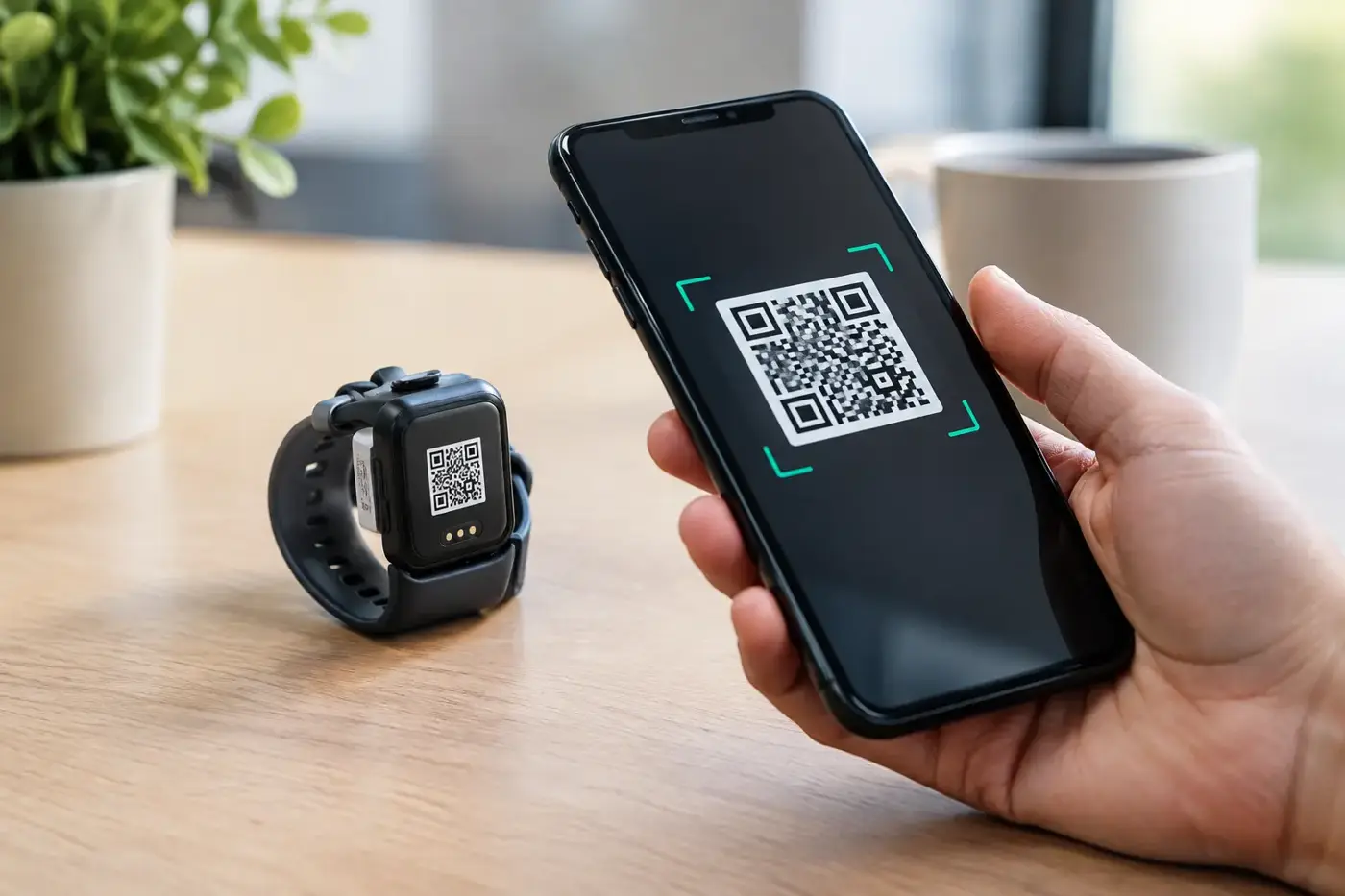
A motorbike is down on a country road. A school bag is left on the train. An older parent becomes disoriented during a walk. In each moment, the person nearby may want to help but have no safe, reliable way to reach the right contact. Emergency QR technology turns that uncertainty into a simple next step: scan the code with a mobile camera and make contact.
It is not about replacing emergency services or asking strangers to manage a crisis alone. It is about giving responders, Good Samaritans, carers and finders a clear way to pass on vital information or alert the people who need to know. When you cannot speak, your QR code speaks.
What emergency QR technology does
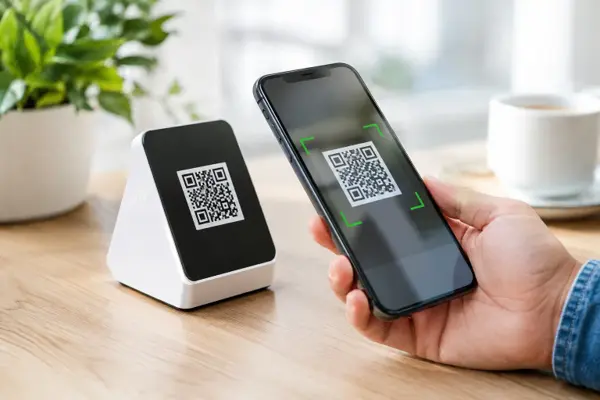
An emergency QR tag is a physical tag, sticker or wearable item printed with a unique QR code. When someone scans it, their mobile opens a secure contact page. Depending on how the tag has been set up, they can call or message the owner, a family member, a carer, roadside contact or another nominated person.
The useful part is what stays private. A mobile number does not need to be printed on a helmet, keyring, luggage tag or vehicle. Instead, the scanner uses the contact options presented through the QR page. The tag owner can update their nominated contacts online when circumstances change, without replacing every tag they own.
That small difference matters. A printed number can be copied, photographed or called at any time. A privacy-first QR system can route legitimate contact while keeping personal details out of public view. For families, that means children can carry an emergency contact option without displaying Mum or Dad's mobile number. For travellers, it means a finder can report lost luggage without access to private information.
Why a QR code is useful in a real emergency
Most Australians already have a QR scanner in their pocket. Modern mobile cameras recognise QR codes without requiring the scanner to download an app, create an account or pay to make contact. That removes the friction that often stops well-intended help.
Consider a cyclist who has been injured and cannot answer their mobile. A visible QR tag on their helmet can direct a bystander to an emergency contact. Or think about a ute parked across a neighbour's driveway, a dog found without its owner, or a wallet handed in at a café. In each case, a scan gives the finder a practical action rather than leaving them to search social media, wait for business hours or hope the owner notices in time.
Speed is valuable, but context is equally valuable. The best emergency QR technology makes it obvious what the scanner should do next. A vague code with no explanation can be ignored. A clearly marked tag that says it provides emergency or owner contact gives people confidence that scanning is appropriate.
The difference between helpful and genuinely emergency-ready
Not every QR code is designed for urgent situations. A restaurant menu code, a marketing code and a basic link generator may technically scan, but they are not necessarily suitable for an incident on the roadside or a lost child at a busy event.
Emergency-ready technology needs to work under pressure. The code must be easy to scan, the landing page needs to load quickly, and the contact action must be clear. The tag itself also has to survive the environment where it is used. A paper sticker may be fine on an indoor folder, but it is a poor choice for a helmet exposed to rain, UV, dust and heat.
There are trade-offs to consider. A tag placed too discreetly protects appearance but may not be found quickly. A tag placed prominently is easier for a responder to see, yet should not reveal more information than necessary. A good setup balances visibility with privacy: make the QR code and its purpose clear, while keeping names, addresses and personal mobile numbers protected.
It also depends on the use case. A home access tag may need a trusted neighbour or property manager as the first contact. A medical or dementia-care tag may need several family members. A luggage tag may need the traveller and a local contact who can act while they are in the air. One contact is better than none, but a sensible contact plan makes the system more dependable.
Emergency QR technology for the moments people do not plan for
The strongest use of emergency QR technology is not one single scenario. It is the ability to create a consistent safety layer across the things and people that matter most.
For drivers and riders, a QR tag can help someone notify a partner or family member after an accident, breakdown or unexpected parking issue. It can also help a passer-by reach an owner if a vehicle is at risk, such as a car left with lights on or a ute obstructing access.
For parents, a tag on a school bag, lunchbox, jacket or keychain creates a contact path when a child is separated from the group or an item is misplaced. The aim is not to make children responsible for technology. It is to give the adult who finds them or their belongings a quick, private way to reach a parent or guardian.
For older Australians and carers, wearable or bag-mounted QR tags can support a response if someone is confused, lost or unable to explain who to call. Keep the information on the tag page focused. Emergency contacts and essential guidance are more useful than a long personal profile that could create privacy risks.
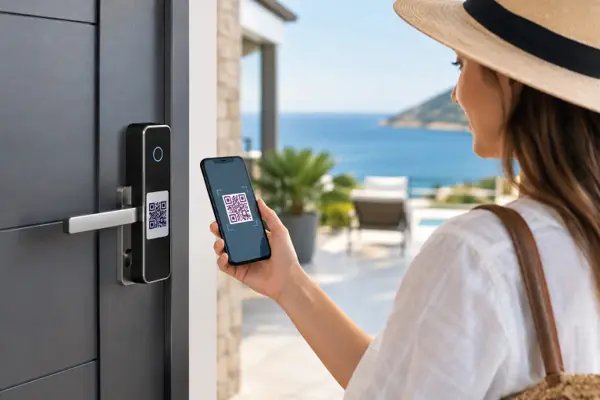
For pet owners, a durable tag can help turn a neighbourhood search into a direct message or call. For travellers, QR luggage and wallet tags reduce the dead end that often follows a lost item. For holiday-home owners, an access or property contact tag can help neighbours, cleaners or tradespeople raise an urgent issue without everyone holding personal numbers.
Set up your tag before you need it
A QR tag only helps if the contact details behind it are current. Setup should take minutes, but it deserves the same attention you would give an emergency kit or smoke alarm.
Start by choosing contacts who are likely to answer and able to act. A partner may be ideal for a vehicle tag, while a grandparent, carer or school contact may make more sense for a child. If possible, nominate more than one person so a missed call does not become a dead end.
Next, think about the message a scanner will see. Keep it direct: this tag is for emergency contact, lost property or owner notification. Do not assume a stranger understands the purpose of an unlabelled code. If your chosen service allows notes, include only information that helps someone take safe action.
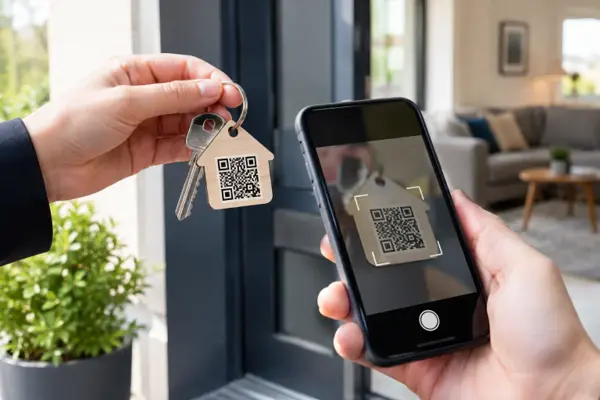
Then place the tag where it can be found and scanned. On a helmet, that may be an obvious, clean outer surface. On luggage, it should be visible without relying on a paper label that can tear off. On keys or a bag, avoid areas that are constantly rubbed, folded or covered. Australian-made, weatherproof tags such as those from ContactMeTag are designed for the wear that everyday safety products need to handle.
Finally, test it. Scan the tag with a different mobile, check that the contact options are clear and confirm your nominated people know they may receive an urgent call or message. Review the details after you get a new mobile number, a move, a family change or a trip overseas.
What a QR tag cannot do
Clear expectations build safer habits. An emergency QR tag is an aid to communication, not a replacement for Triple Zero (000). If someone has a life-threatening injury, is unconscious, is in immediate danger or needs police, fire or ambulance assistance, call 000 first.
A QR code also relies on a scanner having a charged mobile, camera access and enough reception or data to open the contact page. It may not be usable in every remote location or during a major network outage. That is why it works best alongside sensible preparedness: carry identification where appropriate, tell people your plans when travelling, and keep emergency contacts current on your own mobile as well.
Privacy settings need care too. Include what is necessary to make contact, not every detail of a person's life. For medical situations, discuss the level of information to share with the person, family and relevant carers. The right balance differs for a child, a traveller, a motorcyclist and a person living with dementia.
A small tag can create a clear next step
The value of a QR tag is not the square pattern itself. It is the moment after someone scans it: a worried finder can reach a family member, a bystander can alert the right person, and a lost item has a path back to its owner.
Choose the items most likely to be separated from you or needed in a hurry, set up the contacts carefully, and test the scan before the unexpected happens. Every scan counts when it gives someone a clear way to help.