The ContactMeTag Journal
Privacy Contact Technology That Protects You
Privacy contact technology helps people reach you in an emergency or after a loss, keeping your mobile number private while every scan leads to action.
A wallet left on a café table, a child separated from their group, a rider injured on a quiet road or luggage missing at the airport all create the same urgent problem: someone needs to contact the right person quickly. Privacy contact technology makes that possible without printing your mobile number, home address or personal details where anyone can see them.
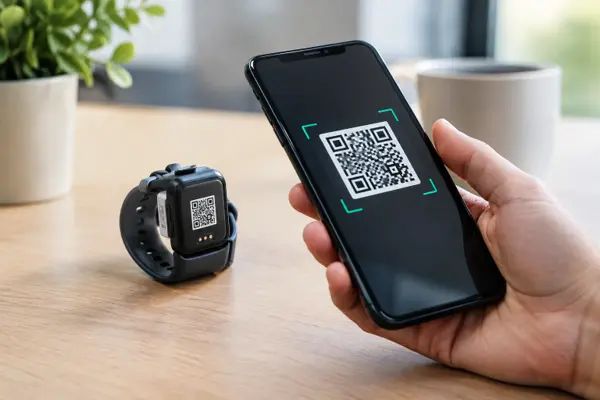
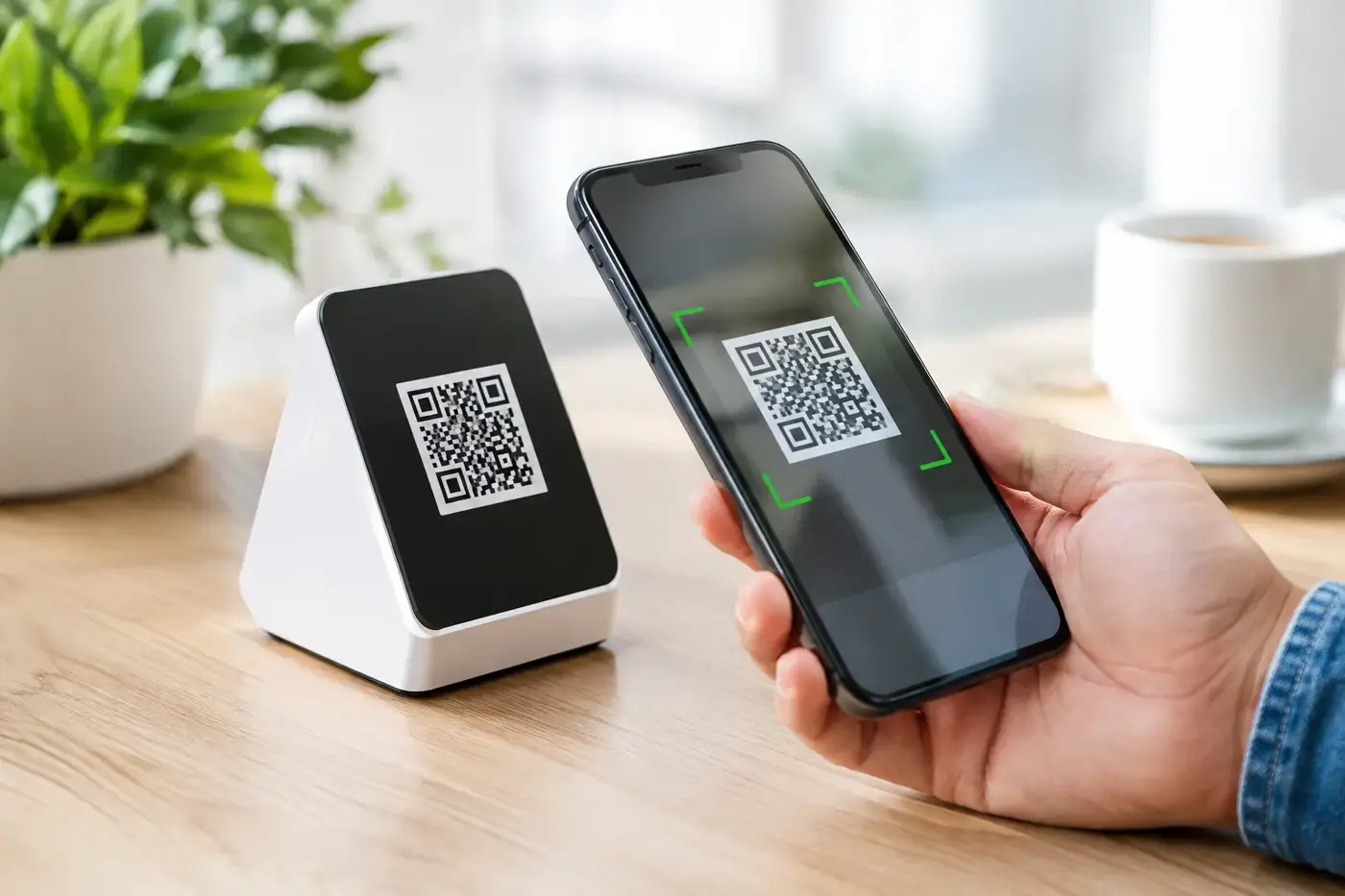
It is a simple idea with a practical purpose. A QR code on a tag, sticker or wearable item gives a finder, Good Samaritan or emergency responder a fast way to open a contact page. They scan the code with their mobile camera, choose to call or message, and the system routes their communication to you or a nominated emergency contact. Your actual number remains masked.
When you cannot speak, your QR code speaks. But the value is not just speed. It is having a contact method ready before something goes wrong, without giving away more personal information than the situation requires.
What privacy contact technology does differently
Traditional emergency labels are direct, but they are also public. A phone number written inside a school bag, on a helmet or on a keyring can be photographed, copied or used long after a genuine need to make contact has passed. For many Australians, that trade-off no longer feels sensible.
Privacy contact technology separates accessibility from exposure. The QR code is visible because it needs to be found. The information behind it is controlled because it needs to be protected. A person scanning the code can take action immediately, while the owner decides which contact details are available and who should receive the alert.
This matters in both emergencies and everyday losses. If your keys are found at the footy, the finder does not need your mobile number to let you know. If a neighbour notices an issue at your holiday home, they can reach you without a spare key or a handwritten contact list. If a cyclist is unable to communicate after a crash, a first responder can contact family without searching through a locked mobile.
The technology does not replace emergency services, medical identification or common sense. In a life-threatening situation, call Triple Zero (000) first. Its role is to make the next call easier: reaching a parent, partner, carer or owner when fast contact can change what happens next.
How a private QR contact system works
The best systems are deliberately uncomplicated. You activate the tag online, add the contacts you want available and attach it to the item or place where it could make a difference. No one scanning the code needs to download an app, create an account or pay to send a message.
When the code is scanned, it opens a secure contact page in the scanner's browser. They can select an action such as calling or messaging the owner, or contacting a nominated person. The platform connects that communication without displaying the protected phone number itself.
That contact-routing layer is what makes the system private. A standard QR code can simply reveal whatever has been stored inside it, including a phone number, address or email. A privacy-first QR code acts more like a secure doorway. It gives the right person a clear path to contact you, but it does not hand them the keys to your personal information.
There is a practical benefit after the incident too. If your contact details change, you update them online rather than replacing every tag you own. The tag on your ute, pet collar, laptop and luggage can continue to work, even after a new mobile number or a change in emergency contacts.
Where it makes the biggest difference
The right use case depends on your household, travel habits and level of risk. For some people, the priority is recovery of valuable belongings. For others, it is making sure a trusted contact can be reached when communication is difficult.
On vehicles, helmets and bikes
A vehicle or helmet tag creates a clear point of contact after an accident, breakdown or concern at the roadside. A passer-by may not know who to call, particularly when a rider is unconscious or their mobile is damaged, flat or inaccessible. A visible QR contact tag gives them a direct next step.
For motorcyclists and cyclists, placement matters. Choose a spot that is easy to notice without interfering with safety equipment or obscuring required markings. A weatherproof tag is essential because rain, dust, heat and regular cleaning are part of life on Australian roads.
For children, carers and vulnerable family members
Children do not always remember a parent's mobile number when they are upset. People living with dementia, allergies or other medical conditions may also need support in a moment when they cannot clearly explain who should be contacted.
A QR tag on a school bag, wearable item or personal belonging can help a teacher, staff member or Good Samaritan reach the right adult quickly. Keep the contact list current and make sure nominated contacts understand they may receive an unexpected call or message. The goal is not to publish sensitive medical information. It is to create a fast, private connection to someone who can help.
For luggage, wallets, keys and technology
Lost-property recovery often comes down to one small obstacle: the person who finds an item wants to do the right thing but has no safe way to reach its owner. A privacy contact tag removes that obstacle.
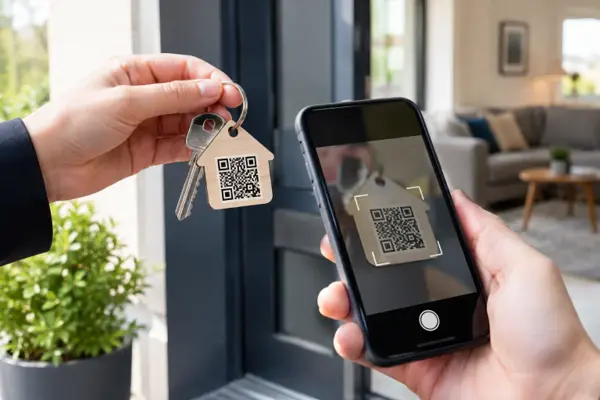
Luggage can go missing between terminals. Keys can be left at the beach. A laptop can be handed in at reception after a meeting. In each case, a quick scan gives the finder a clear action without asking them to search social media, hand the item to police or hold onto it until they can work out what to do.
For pets and property
A pet that slips through an open gate can travel further than expected in a very short time. A QR tag on a collar can help a neighbour, ranger or vet contact the owner while keeping the owner's mobile number private.
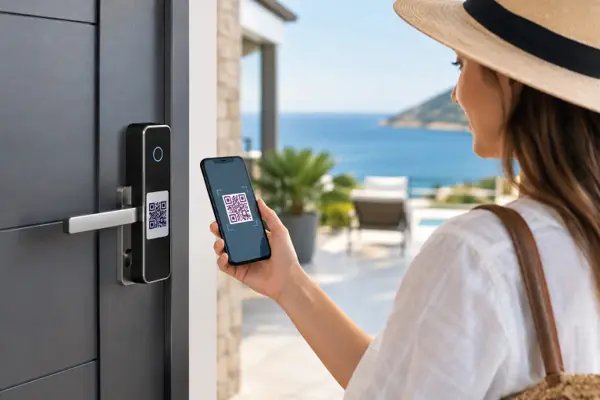
At home, a tag near a meter box, gate or holiday property can also help visitors reach the owner or a trusted local contact. This is especially useful where a tradesperson, neighbour or property manager finds a water leak, storm damage or an access issue that needs a prompt response.
Choosing a system that is ready when it counts
Not all QR contact options offer the same level of protection or reliability. A printed code that sends people to a generic form may be enough for a low-value item, but it can create friction when time matters. A quality privacy contact solution should be easy for a stranger to use in seconds.
Look for a service that masks your phone number, supports multiple nominated contacts and allows details to be updated without replacing the physical tag. It should work from a standard mobile camera, with no app required for the person scanning. Free calling or messaging for the scanner also removes a reason for someone to hesitate.
Physical quality matters just as much as digital design. A code that fades, peels or cracks is not useful in an urgent moment. Choose tags suited to their environment, whether that is a hot car windscreen, a wet dog collar, a hard-wearing helmet or luggage handled by baggage systems.
ContactMeTag combines durable Australian-made QR tags with private contact routing, so households can use the same straightforward safety approach across vehicles, belongings, pets and family needs.
Set it up with real situations in mind
A privacy contact tag only helps if the details behind it are accurate. During setup, think beyond your own phone number. If you are driving, who could make decisions or collect your vehicle if you cannot answer? If it is attached to your child's bag, which adults are most likely to respond quickly during school hours? If it is on holiday luggage, can a second contact assist when you are on a flight or out of mobile range?
Choose contacts who are dependable, tell them they have been nominated and check their numbers carefully. Add more than one contact where the service allows it, particularly for children, older relatives and travel. Then test the scan yourself. Use a different mobile, open the contact page and confirm that the process is obvious.
Review your details after changing mobiles, moving house, changing carers or planning a major trip. It takes only a few minutes, but it prevents a tag from directing a willing helper to an old number.
Privacy contact technology is not about expecting the worst. It is about removing one avoidable delay when life gets messy. Put a safe way to make contact where it can be found, keep the details current, and let every scan give someone a useful next step.