Roadside Assistance Scenario: Be Ready to Act
By ContactMeTag · · 6 min read
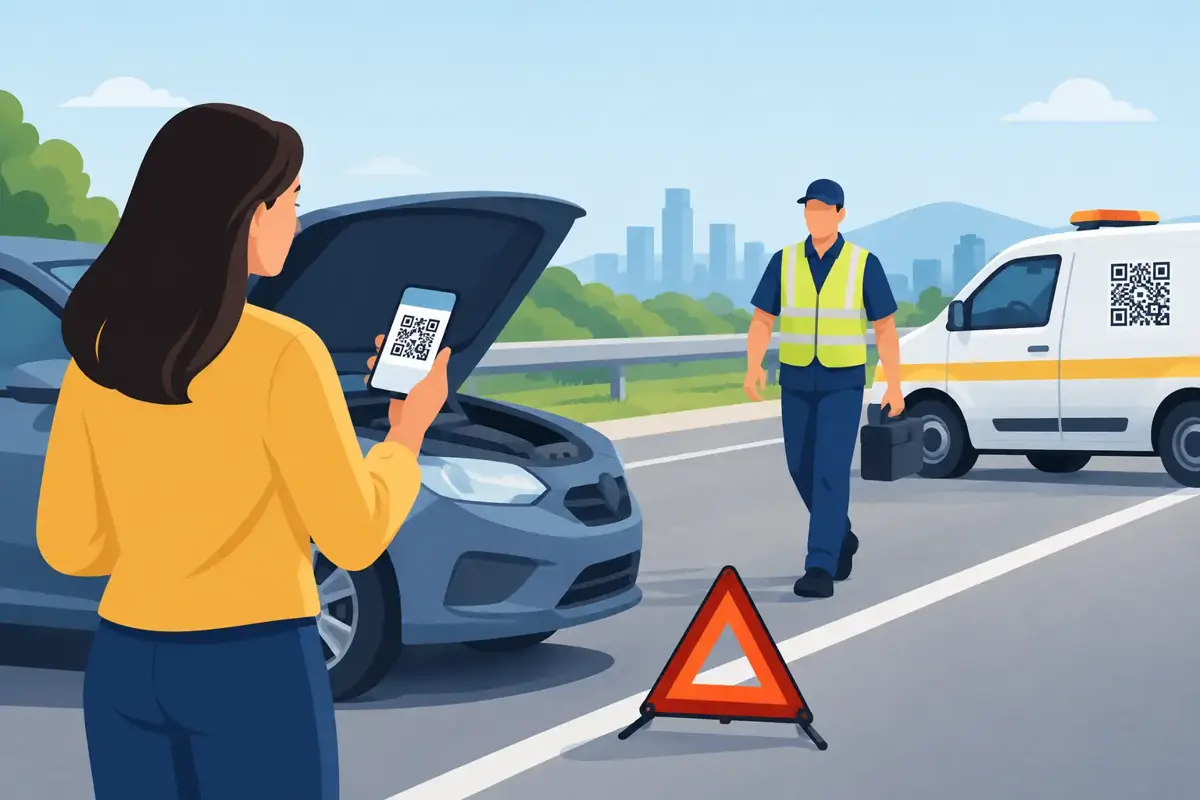
A flat tyre on a dark regional road. Steam rising from the bonnet in peak-hour traffic. A minor crash that leaves you shaken and unable to find your mobile. A roadside assistance scenario rarely arrives when you are calm, prepared and parked somewhere convenient.
The first few minutes matter. Your priority is not diagnosing the car or explaining every detail to an insurer. It is getting yourself, your passengers and other road users out of immediate danger, then making sure the right people can reach you. A little preparation turns a stressful stop into a clearer, safer response.
What to do in a roadside assistance scenario
Start by assessing the immediate risk. If there is a serious injury, fire, fuel leak, dangerous traffic conditions or a vehicle blocking live lanes, call 000. Do not put yourself at risk trying to move a badly damaged vehicle, direct traffic or retrieve belongings. If you can do so safely, move away from the vehicle and behind a barrier or well clear of traffic.
For a breakdown where the vehicle is still movable, indicate early and pull over as far from passing traffic as practical. Choose a firm, visible area where possible. On a motorway or narrow road, stopping on the shoulder can still be hazardous. Keep your hazard lights on and be especially careful when opening doors. Traffic can pass closer and faster than it appears.
Once you are safe, take a breath before making calls. Roadside support, a family member, your workplace or emergency contacts may need your location, vehicle details and a simple explanation of what happened. Saying, “I’m on the northbound side of the highway near the service station, in a white ute with a flat tyre,” is more useful than trying to describe every noise the engine made.
If you are in an unfamiliar area, use a road sign, kilometre marker, nearby business, map pin or your mobile’s location-sharing feature to confirm where you are. Avoid walking along a busy road to search for reception or assistance unless there is a clear, safe place to go.
Make yourself visible without creating more risk
Visibility gives other drivers time to respond. Hazard lights are often the first step, but they are not a complete safety plan. At night, in rain or on a bend, a stopped vehicle can be difficult to see until the last moment.
If it is safe to access them, use a high-visibility vest and warning triangle in line with local road rules and conditions. Place any warning device only where you can do so without entering live traffic. Never trade personal safety for a few extra metres of visibility.
Stay in the safest available position. On a quiet suburban street, that may be inside the locked vehicle with doors closed. On a high-speed road, it may be behind a guardrail and away from the traffic flow. Keep children close and pets restrained. A frightened dog, a tired child or a loose bag can create a second emergency in seconds.
Be cautious about accepting help. Most people who stop are trying to do the right thing, and a Good Samaritan can make a genuine difference. Still, you do not need to share your home address, personal mobile number or every detail of your situation. Ask them to call emergency services or roadside support if needed, or remain at a safe distance while help is arranged.
If your vehicle has been in a crash
After checking for injuries and calling 000 where required, exchange the necessary details with the other driver when it is safe to do so. Take photos of the scene, vehicle positions, registration plates and visible damage if you can. Keep the conversation factual and avoid arguing about fault at the roadside.
If you feel dizzy, confused, unusually sore or distressed, seek medical advice. Adrenaline can hide symptoms after even a low-speed collision. Your vehicle can be repaired or towed. Your wellbeing comes first.
The communication problem nobody plans for
Roadside assistance depends on someone being able to contact you. That becomes difficult when your mobile is flat, locked in the car, damaged in a collision, out of reception or simply not close at hand. It can also be hard if you are injured, overwhelmed or supporting a child or older passenger.
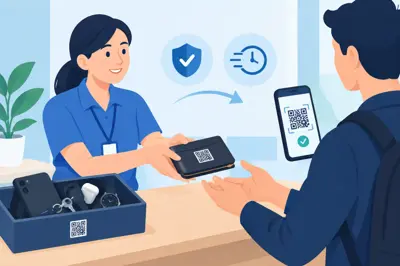
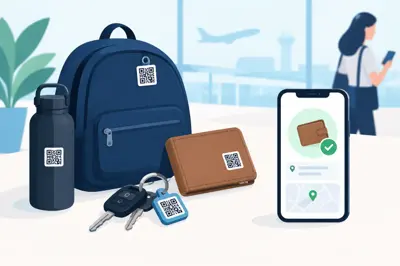
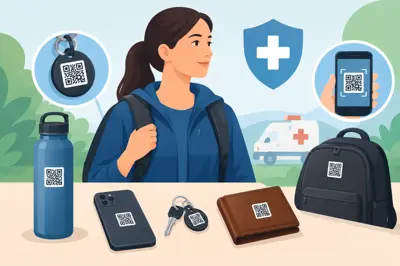
A visible emergency contact method on the vehicle gives helpers a practical next step. Instead of guessing who to call, they can scan a QR code and reach the vehicle owner or nominated emergency contact. This is useful when a parked vehicle has been damaged, when a car is blocking access, or when a motorbike has been found after its rider has moved away from the scene.
The best systems protect privacy as well as access. A QR tag should not display your personal mobile number for anyone walking past to copy. ContactMeTag uses a scan-to-contact approach that can route calls and messages without exposing private contact details. The scanner does not need an app, and the owner can update nominated contacts online as circumstances change.
That matters because roadside support is not always about a dramatic accident. It may be a ranger trying to reach you about an unsecured vehicle, a neighbour noticing your lights have been left on, or a helpful stranger finding keys beside the kerb. Every Scan Counts when the simple alternative is waiting, worrying or escalating a small problem.
Prepare the car before the next trip
A reliable roadside response begins in your driveway, not beside the road. Check your spare tyre or tyre repair kit, jack and wheel brace before a long drive. Make sure you know whether your vehicle has a full-size spare, a space-saver or no spare at all. The right response to a puncture depends on the vehicle, the tyre damage and where you are stopped.
Keep a compact emergency kit in the boot. It does not need to be elaborate, but it should suit your usual driving conditions. Think water, a torch, charging cable or power bank, first-aid supplies, high-visibility gear, a warm layer and basic rain protection. If you travel in regional or remote Australia, carry more water, tell someone your route and check fuel range before leaving sealed roads.
Your paperwork matters too. Keep your roadside assistance membership, insurer details and vehicle information easy to find. Add key numbers to your mobile and write them down somewhere accessible. A locked phone is not much help to another person trying to assist you.
For families, agree on a simple plan. Children should know they are not to leave the vehicle or chase a dropped item near traffic. Teen drivers should understand how to share their location, call for help and choose safety over embarrassment. A dead battery or empty fuel tank is inconvenient. Taking risks to hide it is not.
Set up emergency contacts properly
Choose at least one nominated contact who is likely to answer calls and understands what you would want in an emergency. Let them know they have been nominated. If your usual contact travels often, works in a no-phone environment or lives overseas, add another person.
Review those details after major life changes, a new mobile number, a move or a change in caregiving responsibilities. An emergency contact system only works if the details behind it are current. It takes minutes to check, and it can save valuable time when you cannot explain the situation yourself.
Know when to wait and when to act
There is no single correct response to every breakdown. Changing a tyre at home is very different from changing one on a wet freeway shoulder. Waiting in a locked car might be sensible in one location and unsafe in another. Use the conditions around you, not pride or impatience, to decide.
If you have any doubt about the risk, call for professional help and stay in the safest position available. A tow truck, roadside technician or emergency service is there for exactly these moments. There is no prize for fixing a vehicle beside fast-moving traffic.
Before your next drive, take one practical step: check that someone can reach you, or the right person, if you cannot speak. When the unexpected happens, that small piece of preparation can give a stranger a clear way to help and give you one less thing to manage.