Lost Property Technology That Gets Things Back
By ContactMeTag · · 6 min read
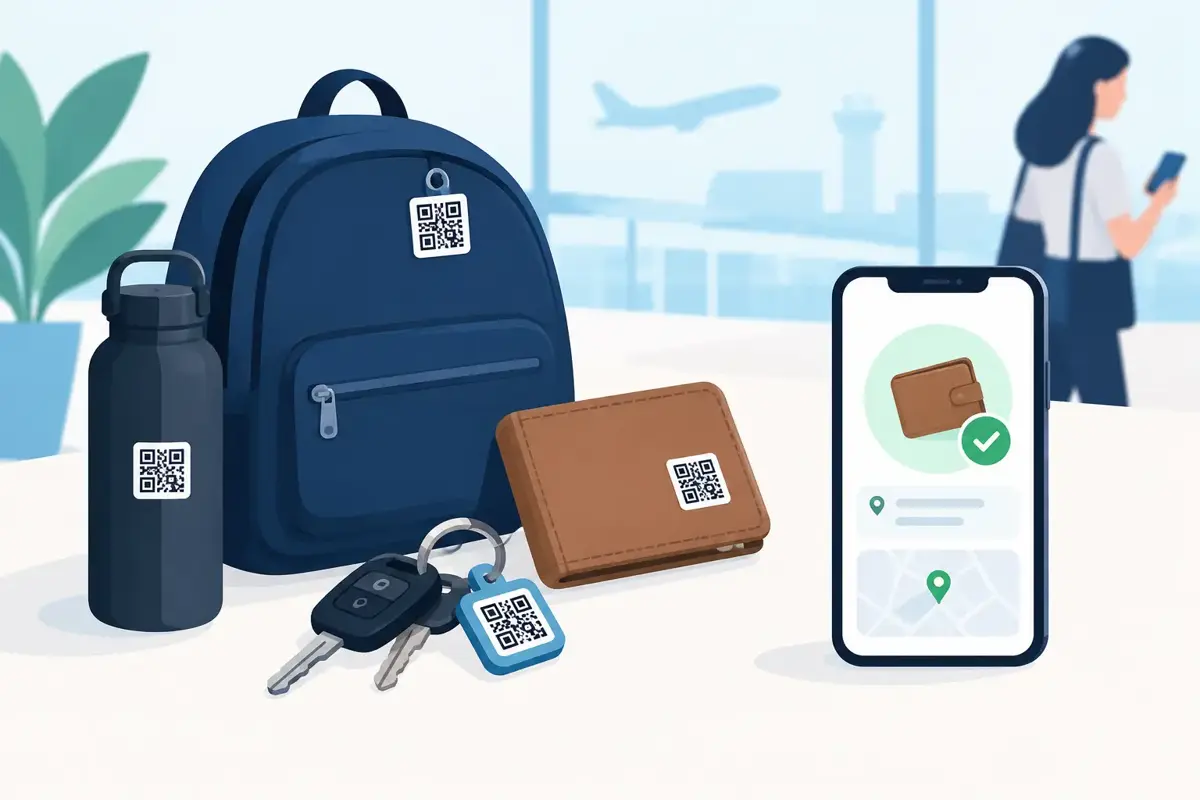
A wallet left at a café, a school bag on the bus, luggage at the airport or keys dropped beside the footpath can quickly become more than an inconvenience. Lost property technology gives an honest finder a fast, safe way to reach the right person, without asking them to search social media, wait for a lost-property desk or see your private mobile number.
The best systems do not make a stressful moment more complicated. They turn a simple scan into a clear next step: contact the owner, arrange a return and get the item back where it belongs.
What lost property technology should do
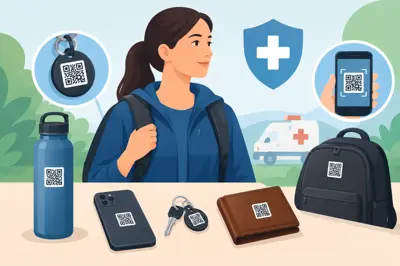
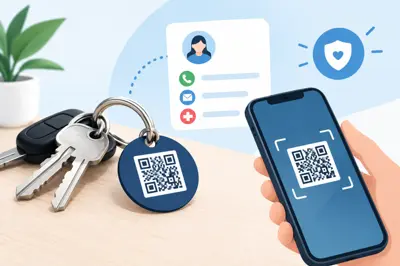
At its most useful, lost property technology connects a physical item to secure, up-to-date contact details. A QR code tag is attached to the item. When someone finds it, they scan the code with their mobile phone camera and are taken to a contact page.
That sounds simple because it should be. A finder should not need to download an app, create an account or understand a complicated tracking system. They need to be able to act there and then, whether they are standing at a servo, sitting on a train or holding a bag found after a busy sporting match.
For the owner, the value is immediate. Rather than relying on a name written inside a bag or a phone number printed on a tag, you can receive a call or message through a protected contact route. Your personal number stays private, while the person trying to help can still reach you quickly.
This is different from a GPS tracker. A tracker can help you locate some items, but it needs power, mobile coverage and usually an app. A QR tag does not show you where an item is. Instead, it gives the person who has found it the easiest possible way to contact you. For everyday belongings, that can be the difference between an item sitting unclaimed in a lost-property bin and being returned the same day.
Why a QR code is practical for everyday property
Most Australians already carry a QR scanner in their pocket: their mobile phone camera. That familiarity matters when time is short. A clearly placed QR code gives a finder a direct instruction without making them guess what to do.
A good lost-property tag also needs to suit the item and the conditions it faces. Luggage gets knocked about. Bike helmets sit in heat and rain. Keyrings rub against coins and car keys. A tag for a pet collar must cope with outdoor life. Durable, weatherproof materials are not a luxury when the tag is expected to be useful months or years after it is attached.
Placement matters too. Put the tag where a finder will notice it, but where it will not interfere with use. On luggage, that may be beside the handle. On a wallet, it may be inside or on a discreet tag loop. On a laptop or tablet, a visible exterior spot is often best. The goal is not to make your property look labelled for theft. It is to make a genuine return straightforward.
The privacy advantage over handwritten details
Writing your name, home address and mobile number on a luggage tag can work, but it gives every stranger who sees it access to details you may not want publicly displayed. That can feel especially uncomfortable for children’s bags, travel items and keys.
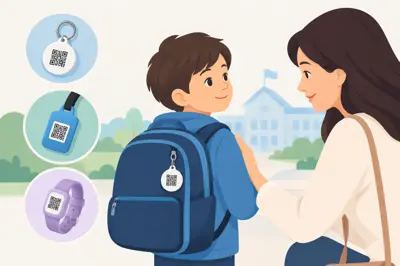
Privacy-first QR technology keeps the useful part - the ability to contact you - while limiting unnecessary exposure. A finder can call or send a message, and you can decide how to respond. If you are travelling, you can nominate another trusted contact who is more available. If a tag is on a child’s school bag, a parent or carer can be the contact point.
This also makes the system more flexible than a printed phone number. Life changes. Mobile numbers change, emergency contacts change, and a holiday property may need a different contact person from your home. Update the digital details rather than replacing every physical tag.
The moments when lost-property technology earns its place
The common thread is not the item. It is the gap between a good person finding something and knowing how to return it. QR tags remove that gap in familiar, everyday situations.
- Travel: A suitcase is left in a taxi, a backpack is separated from its owner at an airport or a carry-on bag is handed to venue staff. A scan can start contact immediately, even when the owner is in transit.
- School and sport: Drink bottles, musical instruments, school bags and sports gear are easily mixed up or left behind. A quick contact option is more helpful than hoping a name is recognised.
- Vehicles and helmets: A vehicle may be parked, damaged or need attention while its owner is away. A QR tag can provide a safe contact path without putting a mobile number on public display. The same applies to a helmet left at a café or venue.
- Keys, wallets and devices: These are often returned by people who want to help but have no way to identify the owner. A scan turns a dead end into a practical conversation.
The technology also has a role beyond property. A QR code on a pet tag can help a neighbour contact the owner of a wandering dog. A tag on a wearable or medical card can direct someone to nominated contacts when a person cannot explain who to call. The principle stays the same: when someone needs to reach you, make the action clear and safe.
Set it up before you need it
The strength of a lost-property system depends on the setup completed before an item goes missing. Activation should take minutes, not a technical manual. Register the tag, choose who should be contacted and check that the details are correct.
It is wise to think beyond your own mobile number. If you work in areas with poor reception, travel frequently or cannot always answer calls, add a partner, family member or trusted friend as a nominated contact where the service allows it. For a child’s bag, make sure the selected contacts are people who can act quickly during school hours.
Then test it. Scan the code using another phone and look at the experience from the finder’s point of view. Is the instruction clear? Can they call or message without friction? Does the contact method work? A 30-second check at home is far better than finding out there is an issue after your luggage has gone missing.
Review details after major changes such as moving house, changing mobiles or updating emergency contacts. The physical tag may last for years, but its value depends on the information behind it being current.
What to look for before choosing a system
Not all QR tags offer the same level of usefulness. The cheapest sticker may point to a static page with details visible to anyone. That may be enough for a low-risk item, but it does not offer much privacy or flexibility.
Look for a system that provides contact masking, so the finder can reach you without seeing your personal number. Check whether it works directly through a phone camera, without an app for the finder. Consider the material too: an indoor label and a weatherproof tag are not interchangeable.
It is also worth checking what happens after purchase. Can you update contacts? Is the service designed to remain active over the long term? Is the tag made for the Australian conditions and use cases you actually have, from a hot car to wet weekend sport? These details shape whether the tag will still be useful when you need it most.
ContactMeTag combines durable physical QR tags with protected digital contact routing, making it practical for everything from car keys and luggage to helmets, pets and family safety items. The purpose is simple: make it easy for a finder to do the right thing without exposing more of your personal information than necessary.
A small tag can create a fast next step
No tag can guarantee that every lost item will be found. It cannot replace sensible precautions, travel insurance or keeping valuables close. But when an honest person does pick up your property, lost property technology gives them a direct path to help.
Attach it before the trip, the school term, the ride or the busy weekend. Because when your belongings are out of your hands, one simple scan can give them a way back.