How to Return Found Valuables Safely and Fast
By ContactMeTag · · 7 min read
A wallet on a café chair, keys near the footpath, a mobile left in a rideshare or luggage circling an airport carousel can turn an ordinary day into a stressful one for its owner. Knowing how to return found valuables gives you a clear, safe way to help without putting your own privacy or safety at risk.
The best approach is usually simple: secure the item, look for a safe way to contact the owner, then hand it over through a sensible channel. What that looks like depends on what you have found, where you found it and whether there is an immediate safety concern.
Start by making the item safe
Before trying to identify an owner, move the valuable out of harm’s way if it is safe to do so. A mobile on the edge of a road, a backpack in the rain or keys in a busy car park may be damaged, stolen or create a hazard if left where they are.
Do not put yourself at risk to retrieve anything. If the item is near traffic, on railway property, in a suspicious location or attached to an unattended vehicle, alert staff, security or police instead. A valuable item is never worth stepping into danger.
Once it is secure, make a quick note of where and when you found it. This small detail can make a big difference later. An owner may be able to confirm the exact café table, train carriage, beach access point or shopping-centre car park where they lost it.
If you found the item at a business, event, school, transport hub or venue, the staff member on duty is often the right first point of contact. They have an established lost-property process and are likely to hear from the owner first.
Check for an easy, privacy-safe return route
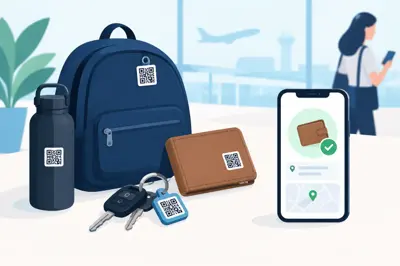
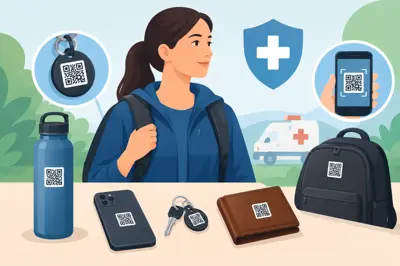
Many valuables carry a straightforward clue that helps reunite them with their owner. Look on the outside of a bag, laptop, helmet, keyring, pet carrier or luggage tag before opening anything. A name label, business card or QR contact tag may provide a safe route to make contact.
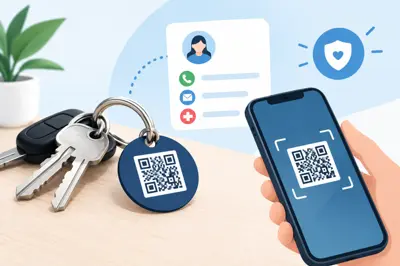
A QR tag is particularly useful because it can let a finder send a message or call the owner without seeing their personal mobile number. You scan the code with your mobile camera and follow the contact prompt. There is no need to download an app, search social media or post a stranger’s personal details in a community group.
This is where a privacy-first tag such as ContactMeTag changes the experience. A finder can act immediately, while the owner keeps control of which contact details are shared. For something as common as lost keys or a misplaced school bag, that can turn hours of worry into a quick, secure handover.
When making contact, keep your first message brief. Say that you have found an item, provide the general location and ask the person to describe it or confirm a unique detail. Avoid listing every identifiable feature yourself. The right owner should be able to tell you the mobile’s case colour, the key fob attached, the name on the luggage strap or another detail that proves ownership.
How to return found valuables without sharing too much
Helping someone does not mean giving away your address, routine or private information. Choose a handover method that suits the item and situation.
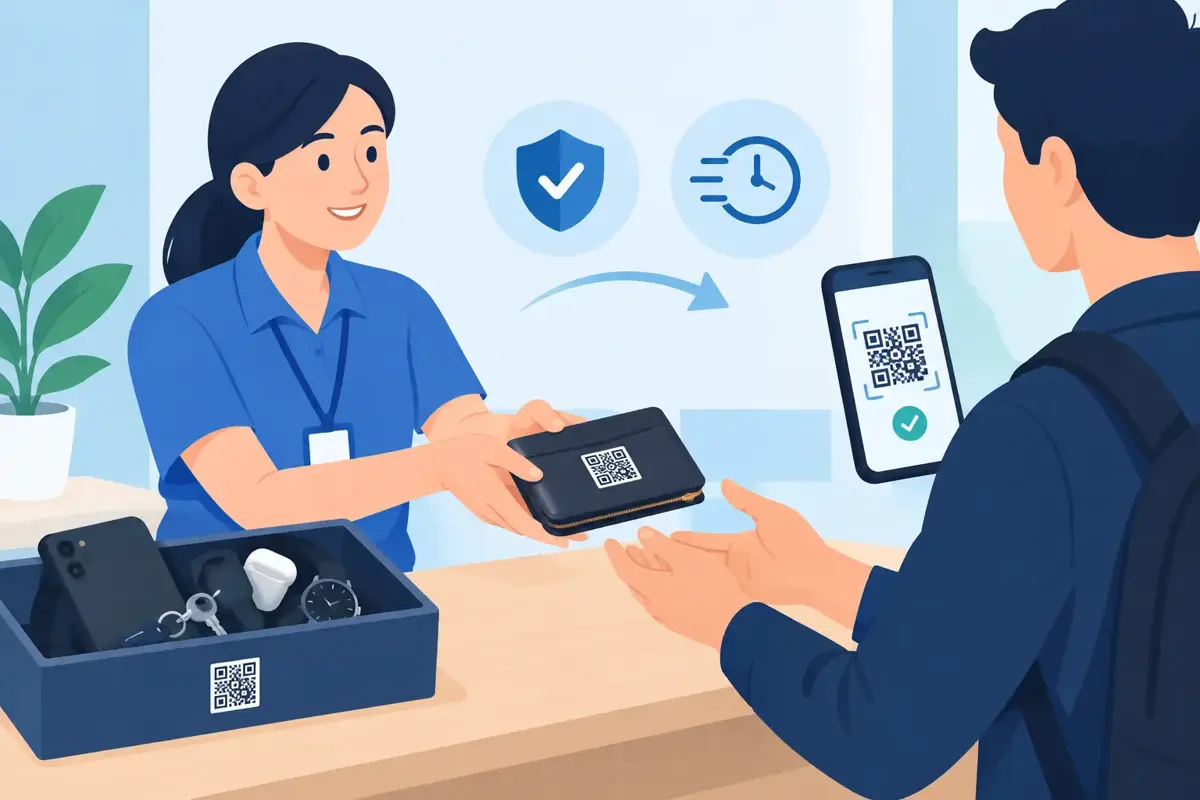
For low-risk items such as keys, wallets or a bag, a staffed public place is usually a sensible option. A café counter, police station, shopping-centre concierge desk or workplace reception can provide a visible meeting point. If the item was left at a venue, leaving it with the manager may be safer than arranging a private meeting.
Do not feel pressured to meet immediately or travel across town. You are doing the right thing by returning the item, but you can set reasonable boundaries. If the owner is distressed, overseas or unable to collect it quickly, ask whether a trusted friend can collect it with appropriate proof, or use the venue’s lost-property process.
For higher-value property, use extra care. Jewellery, large amounts of cash, identity documents, expensive electronics and car keys can create more risk and more disputes about ownership. In these cases, police or an official lost-property office may be the safest choice. Ask for a receipt or reference number when handing the item in.
Returning a found wallet, phone or keys
Different items call for different decisions.
Wallets and identification
A wallet may contain bank cards, licences and personal documents. Keep it closed and avoid photographing, copying or sharing any information inside. If there is a contact card or clear identification, try a direct and discreet contact route first. Otherwise, hand it to the business where it was found or take it to police.
Bank cards should not be used to locate a person through social media, nor should you post their name online. Public posts can attract scammers who claim an item that is not theirs. If you post in a local group at all, keep it general: say a wallet has been found in a broad area and ask the owner to describe it.
Mobile phones
A locked mobile can still offer clues without requiring you to access private content. Check the lock screen for an emergency contact message, a Lost Mode notice or instructions from the owner. Keep the mobile charged if practical, as the owner may call it or use a tracking service to locate it.
Do not try to guess passcodes, open apps or remove the SIM card. If a call comes through, answer politely and explain that you have found the mobile. Arrange a safe return, or hand it to the venue, carrier store or police if direct contact is not possible.
Keys
Keys are small but sensitive. They may provide access to a home, vehicle, workplace or storage unit, so avoid displaying them publicly or posting a detailed photo online. If they have a QR tag, scan it and use the contact option. If they have a gym, club or building fob, the relevant organisation may be able to help without revealing the member’s personal details.
Car keys and keys with a home address attached deserve particular care. Take them to police or contact the owner through the safest available method rather than leaving them at an unattended counter.
Be careful with public posts and online groups
Local Facebook groups and neighbourhood pages can be useful, but they are not always the best first move. A clear photograph of a found passport, licence, keyring or luggage tag can expose private information and make it easier for the wrong person to claim the item.
If you need to post, share only the minimum needed to reach the owner. Name the general suburb or venue, the date and the broad type of item. Keep a distinctive feature private so you can verify the claim. For example, say “keys found near the oval” rather than showing the house key, car badge and personalised keyring.
Never publish an owner’s address, phone number, email address, licence number or travel plans. Good intentions should not create a second problem.
Know when to involve police or staff
In Australia, found-property rules can vary between states, territories and local venues. The value of the item and the circumstances in which it was found can also affect what should happen next. If you are unsure, a local police station can tell you the appropriate process.
Hand the item in promptly when it appears to be stolen, contains identity documents, has substantial value, or cannot be safely stored while you wait for a response. This is also the right choice if you found it in a public transport setting, at an airport, school, hospital or government building, where staff may have specific procedures.
Tell the staff member exactly where you found it and ask for a record of the handover. If you have already contacted someone who says they are the owner, let staff know that too. Clear information protects everyone involved.
A simple process for returning found valuables
When you are unsure what to do, follow this practical sequence:
- Move the item to safety if you can do so safely.
- Note the time and location where it was found.
- Check for an external label, emergency contact or QR tag.
- Contact the owner privately and ask them to verify a detail.
- Arrange a public handover or use the venue’s lost-property process.
- Take high-value or sensitive items to police or authorised staff.
The goal is not to investigate the owner’s life or solve every detail yourself. It is to create one safe, reliable path back to them.
A found valuable is often more than an object. It may be someone’s way home, access to their car, their travel documents, family photos or the one thing they need before school pick-up. A calm decision, a private contact method and a safe handover can give a stranger immediate relief. Every thoughtful action counts.