Emergency Identification Guide for Everyday Safety
By ContactMeTag · · 6 min read
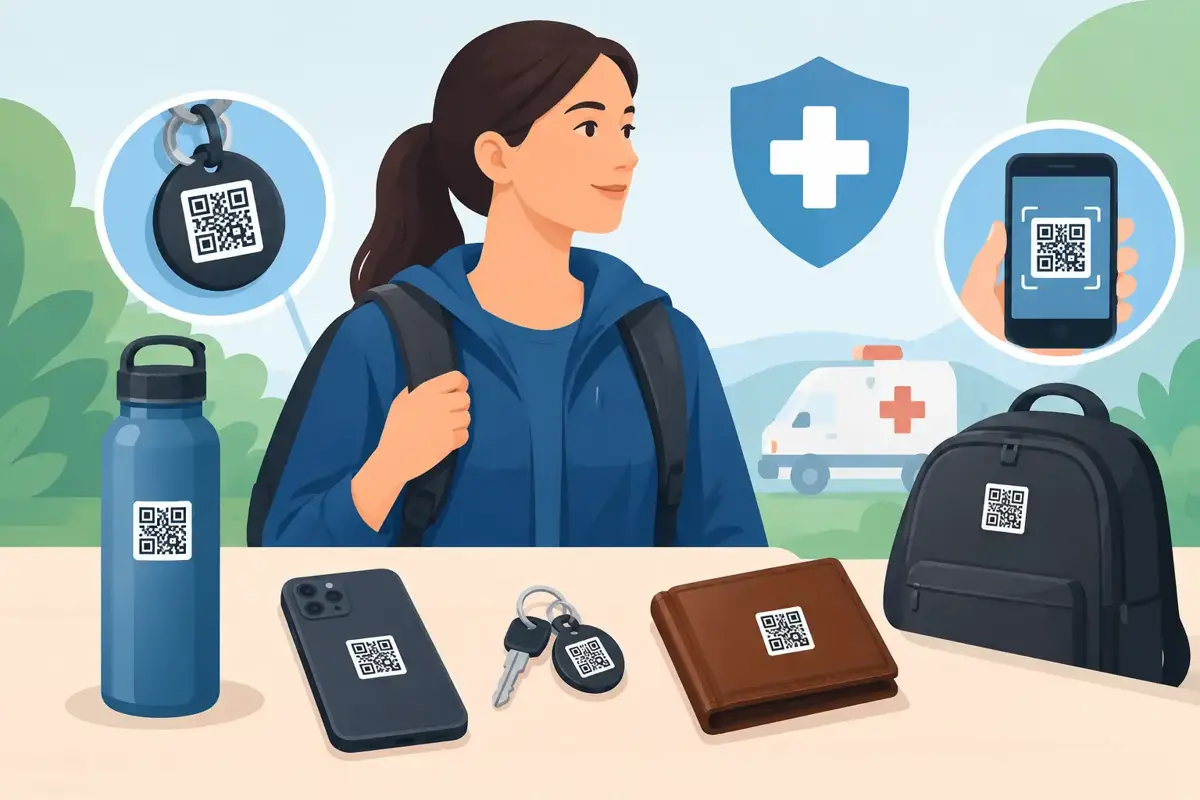
A crash on a country road, a child separated from family at a crowded event, a lost wallet on the train, or a medical episode when words will not come - these moments do not give people time to search through a mobile. A practical emergency identification guide starts with one question: if someone needs to help you right now, can they quickly find the right person to contact?
For most Australians, the answer should not depend on a handwritten note, an unlocked phone or a stranger guessing what to do. Clear emergency identification gives a responder, Good Samaritan or finder a direct path to useful information without putting your private mobile number on public display.
What emergency identification needs to do
Emergency identification is not simply a name and phone number. It is a way to connect the person on the scene with someone who can act. That might be a partner after a vehicle accident, a parent when a school bag is left behind, a carer when a person living with dementia has wandered, or a property owner when there is an urgent issue at a holiday home.
The best option is visible, easy to understand and available when the owner cannot explain it themselves. It also needs to respect privacy. Printing your full name, address and phone number on a bag, helmet or keyring can create a different risk, especially when that item is lost.
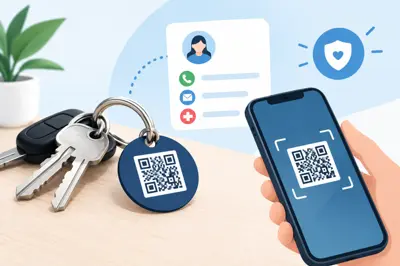
A QR emergency tag offers a practical middle ground. A person scans the code with their phone camera and is directed to a contact route set up by the owner. They do not need a special app, and they do not need access to the owner’s device. The finder can call or send a message while personal contact details remain masked.
Emergency identification guide: match the tag to the situation
The right identification method depends on what you are protecting and where it will be used. A tag on a motorcycle helmet has a different job from one on a pet collar or luggage case. Think about the likely incident, the person who may find the item, and how quickly they need to reach help.
Vehicles, helmets and bikes
After a roadside incident, emergency contacts need to be reachable even if the driver or rider is shaken, unconscious or separated from their phone. Place a weatherproof QR tag somewhere obvious and accessible, such as a helmet, vehicle window or bike frame. Avoid spots hidden by a cover, luggage or a locked compartment.
For riders, a helmet tag can be particularly useful because the helmet is likely to be close by after an incident. The contact profile should prioritise the person most able to respond, not merely the person listed first in your mobile contacts.
Children, carers and vulnerable family members
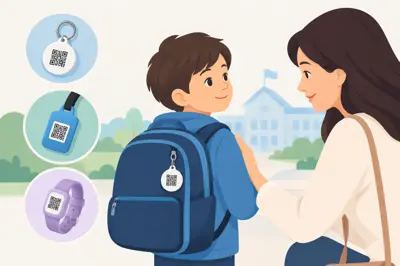
Children may know a parent’s first name but not a mobile number. People with dementia, autism, allergies or other conditions may also need a calm, simple way for others to reach their support network. A QR tag on a school bag, wearable item or keyring can turn an uncertain moment into a direct call to a parent, guardian or carer.
Use neutral language on the physical tag. It should invite a finder to scan for help without displaying sensitive health details. If health information is included in the digital profile, keep it short, relevant and written for a stranger who may be under pressure. For serious medical needs, emergency identification supports - but does not replace - advice from your clinician or recognised medical alert requirements.
Luggage, wallets, keys and laptops
Lost property is not always an emergency, but the same principle applies: make it easy for the honest person who finds it to contact you. A luggage tag can help recover a suitcase before a trip is disrupted. A wallet or laptop tag can provide a safer return route than placing your address inside.
There is a trade-off here. Put a tag where it can be found, but consider whether it is also exposed to heavy wear or easy removal. For laptops, a visible placement encourages return. For keys, a durable keyring tag makes more sense than a sticker that may rub away.
Pets and homes
A pet can slip through an open gate in seconds. A QR tag on a collar gives the person who finds them a quick way to reach an owner without needing to take the animal to a vet first. Check the attachment regularly, especially for active dogs, beach trips and bushwalks.
For homes, units and holiday properties, emergency contact access can help neighbours, tradespeople or responders reach the right person when there is a water leak, alarm issue or unexpected access concern. Do not treat a QR tag as permission for entry. Its role is communication: helping someone notify you or a nominated contact quickly.
Set up contacts for real life, not just the form
A tag only works as well as the contacts behind it. Choose people who are likely to answer, understand what to do and know enough about your circumstances to help. A sibling overseas may care deeply, but they may not be the best first contact for an incident in regional Victoria.
Set a sensible contact order. Your first person should be nearby or able to make decisions quickly. Add a second and third option in case the first is driving, at work or unreachable. If you are setting up tags for children, pets or older relatives, make sure each nominated person knows they have been listed.
Before relying on any emergency identification, check these details:
- Confirm each contact’s mobile number and spelling of their name.
- Choose contacts who will answer unknown or redirected calls where possible.
- Add brief, necessary instructions, such as an allergy, carer contact or preferred vet.
- Review every profile after moving house, changing schools, changing carers or replacing a phone.
- Scan each tag yourself after setup and again every few months.
That final check matters. A QR code must be readable, and the contact destination must still be current. Dust, scratches, faded printing and an outdated profile can turn a useful safety tool into a missed opportunity.
Why privacy belongs in the plan
The old approach to emergency identification was often a label with a phone number written in permanent marker. It is quick, but anyone can photograph, copy or misuse that number. The same applies to an address placed inside luggage or on a child’s belongings.
Privacy-first emergency identification separates what a finder needs from what they do not. They need a way to reach help. They do not need unrestricted access to your personal mobile number, home address or full family details.
ContactMeTag is designed around that distinction. Its physical QR tags connect scanners to an online contact-routing service, allowing calls and messages to reach you or your nominated contacts without exposing private phone numbers. The scanner uses their own phone camera, with no app required and no cost to scan.
This approach also helps when you want more than one person notified. Rather than relying on one label with one number, you can nominate a support network and update it when circumstances change.
Make your identification easy to spot
A highly secure tag hidden where nobody can find it will not help much. Visibility is part of safety. Position tags where a reasonable person would look first: on the outside of a bag, on a helmet, near a vehicle entry point, on a pet collar or attached to keys.
At the same time, account for weather, friction and daily use. Outdoor tags need durable materials and secure placement. A tag on a ute used for work may face sun, rain, dust and washing. A child’s bag will be dragged, knocked and tossed into a school locker. Choose a product built for the environment, then inspect it as part of routine maintenance.
Keep the instruction simple. “Scan for emergency contact” gives a stranger a clear next step. In a stressful moment, clarity beats clever wording.
Build the habit before you need it
Emergency preparedness is usually made of small decisions completed well before an emergency. Set up the tag while everyone is calm. Test the scan with a family member. Tell nominated contacts what they may receive, and revisit the details after any major change.
When you cannot speak, your QR code can speak for you. Put that simple connection where it can be seen, keep it current, and give the next person a clear way to help.