Rider Crash Contact Example: What Happens Next
By ContactMeTag · · 6 min read
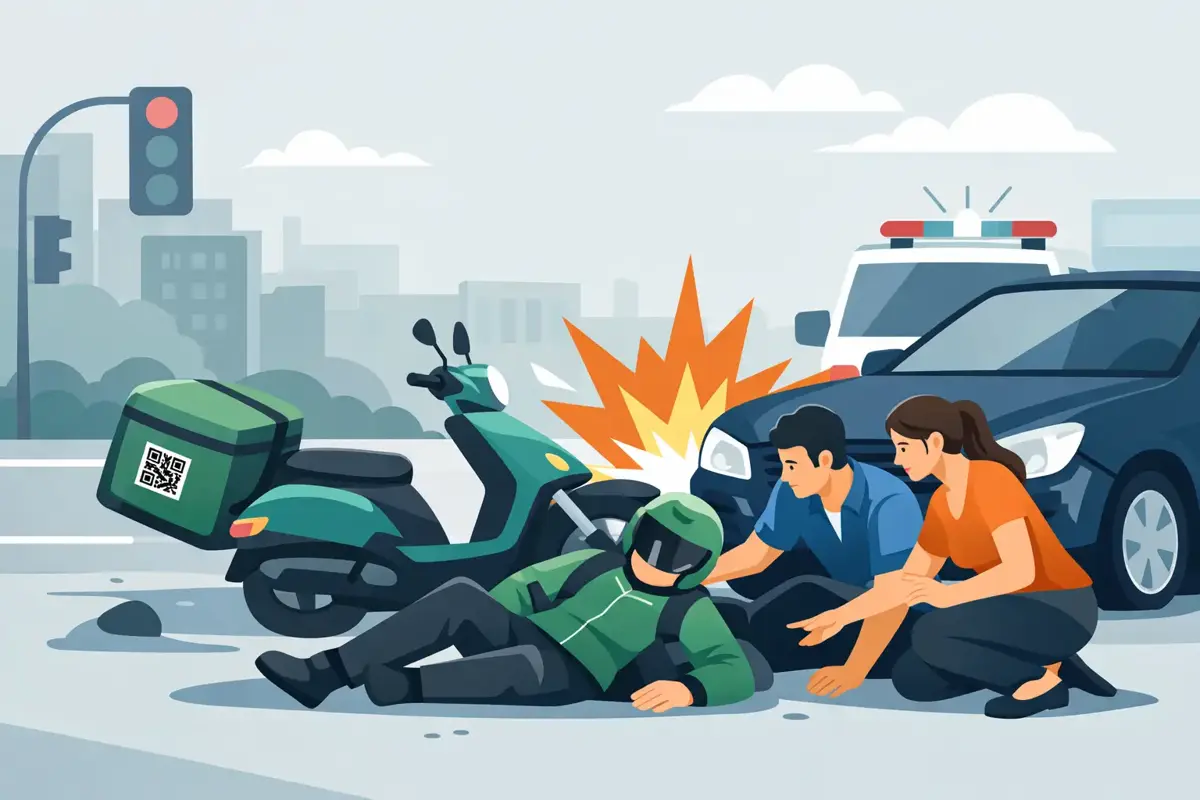
A rider crash contact example is easy to picture. A motorcyclist comes off their bike on a regional road. They are conscious but shaken, their gloves are on, and their mobile is zipped inside a jacket pocket. A passing driver pulls over to help. They can call 000, but they cannot tell the rider's family where they are, what has happened or which hospital they may be taken to.
That gap matters. In a crash, minutes feel long, information is incomplete and the rider may not be able to speak clearly or unlock a phone. A visible QR emergency contact tag gives a helpful bystander one simple next step: scan, call and pass on the essential details.
A rider crash contact example in real life
Imagine Mia is riding home from a weekend trip through the hills. A patch of loose gravel catches her front wheel on a bend. She slides into the gravel shoulder, damaging her bike and injuring her wrist. Another rider stops, moves carefully to a safe position and calls 000.
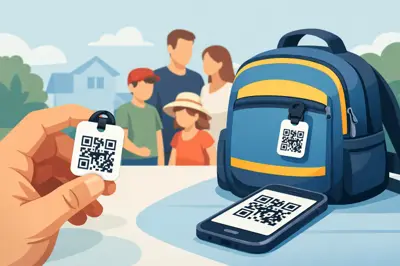
Mia is alert, but she is in pain and struggling to remove her helmet. Her emergency contact QR tag is fixed where it can be seen easily. The other rider opens their mobile's camera, scans the code and sees a clear contact option. They do not need an app, a membership or Mia's unlocked mobile.
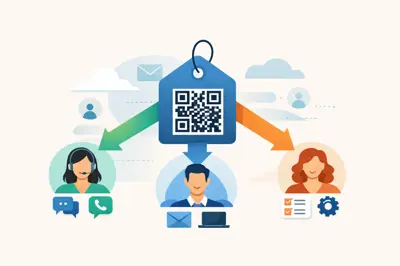
The scanner calls Mia's nominated contact through the tag's contact-routing service. Mia's partner receives the call without Mia's personal mobile number being displayed to a stranger. They learn that emergency services have been called, the approximate location and that Mia is awake. They can begin making practical decisions immediately: arrange support, check on children at home, or prepare to travel to hospital if needed.
This is not a replacement for emergency services, first aid training or medical identification. Calling 000 and keeping the scene safe always come first. The tag solves a separate but highly human problem: helping someone make the right call when the person involved cannot.
Why a mobile is not always enough
Most riders carry a mobile. That does not mean it will be useful after an impact. It may be cracked, flat, lost from a pocket or inaccessible under protective gear. Face or fingerprint unlocking may fail when a rider is wearing gloves, injured or positioned awkwardly.
Even when a mobile works, a bystander may not know who to contact. Searching a stranger's handset is uncomfortable and may not be possible. Riders also have good reasons not to put their full name, address or family phone number in plain view on a helmet or bike.
A QR contact tag sits between these two problems. It is public enough to be found in an urgent moment, but designed to keep private contact details out of public view. The finder sees a simple way to make contact. The nominated recipient gets the information they need without their number being printed on the tag.
What should happen at a crash scene
A QR tag works best when it supports calm, sensible action. If you come across an injured rider, stop only when it is safe to do so. Watch for traffic, fuel, damaged electrical components and blind corners. Do not put yourself or others at risk trying to reach the rider.
Call 000 if there is injury, danger from traffic, suspected spinal injury, loss of consciousness, significant bleeding or any concern that the rider needs urgent help. Follow the operator's instructions. Avoid moving the rider or removing their helmet unless there is immediate danger or you are directed to do so by emergency services.
Once help is on the way and the scene is as safe as possible, look for an emergency contact QR tag on the rider's helmet, jacket, keyring or motorbike. Scan it with your mobile's camera. Use the contact option shown and keep the message factual: where the crash occurred, whether emergency services have been called and what you can see. Do not guess about injuries or promise outcomes you cannot know.
A useful message might be: “Hi, I’m with a rider who has had a crash near the northbound turn-off to Yarra Glen. Ambulance has been called. They are awake and being looked after.” That short update can prevent hours of uncertainty for the people waiting at home.
Where riders should place an emergency contact tag
Placement is a trade-off between visibility and protection. A tag hidden deep inside a backpack may stay clean, but it is less likely to be found quickly. A tag placed where it is obvious gives a bystander a better chance of acting straight away.
For many riders, the helmet is the strongest option because it stays with them and is easy to spot. Choose a smooth, clean area that does not interfere with visors, vents, certification labels or the helmet's fit. Check the helmet manufacturer's guidance before attaching anything, particularly if you ride with a premium composite helmet.
A second tag on a jacket, keyring or bike can add useful backup. Bikes can separate from riders in a crash, so the motorbike should not be the only location. Likewise, a helmet can be left on a seat at a servo or misplaced while travelling. More than one tag can make sense if you ride often, commute in traffic or take longer trips away from home.
Set up the contact details before you need them
The best emergency contact arrangement is one your chosen people understand. Ask before adding anyone. Let them know what a call from the service may look like and confirm they are comfortable receiving urgent notifications.
Choose contacts who are likely to answer, stay calm and know key information about you. A partner might be ideal for one rider, while another may nominate a parent, close mate or adult child. It depends on who is dependable at different times of day and who can make decisions or reach your location if required.
Keep your details current. Change a contact after a relationship change, a new mobile number or a move. If the platform allows a short emergency note, keep it practical and limited to information a caller may need. Avoid adding details you would not want a stranger to see or repeat. Medical information should be handled carefully, and your tag should never be relied on as the only source of critical health information for paramedics.
Before your next ride, test the scan yourself. Check that the code is clean, your contact route works and your nominated person knows what to do. It takes only a moment, but it turns a tag into a working safety plan rather than an untested accessory.
Privacy matters when help is needed
Some riders hesitate to use emergency labels because they do not want a mobile number exposed on their helmet or bike. That concern is reasonable. A printed phone number can be photographed, copied or used long after the moment it was needed.
ContactMeTag uses QR-based contact routing so a finder can reach the owner or nominated contact without seeing private phone numbers. The goal is simple: make communication fast for the person helping, while maintaining a sensible layer of privacy for the rider and their family.
The system also removes a common barrier for Good Samaritans. They do not need to download an app or create an account before making contact. They scan the code with a mobile and follow the on-screen prompt. When someone is standing beside a damaged bike on a noisy roadside, simple is not a bonus. It is the point.
The small preparation that changes the next call
A crash can turn an ordinary ride into a difficult day without warning. You cannot control every patch of gravel, driver error or sudden change in weather. You can make it easier for the right person to be reached when you cannot make the call yourself.
Fit your tag where it can be found, choose contacts who will answer and test it before heading out. When you can't speak, your QR code speaks - and that one scan can give your family the information they need to stop wondering and start helping.