No App Safety Tag Review for Australian Families
By ContactMeTag · · 7 min read
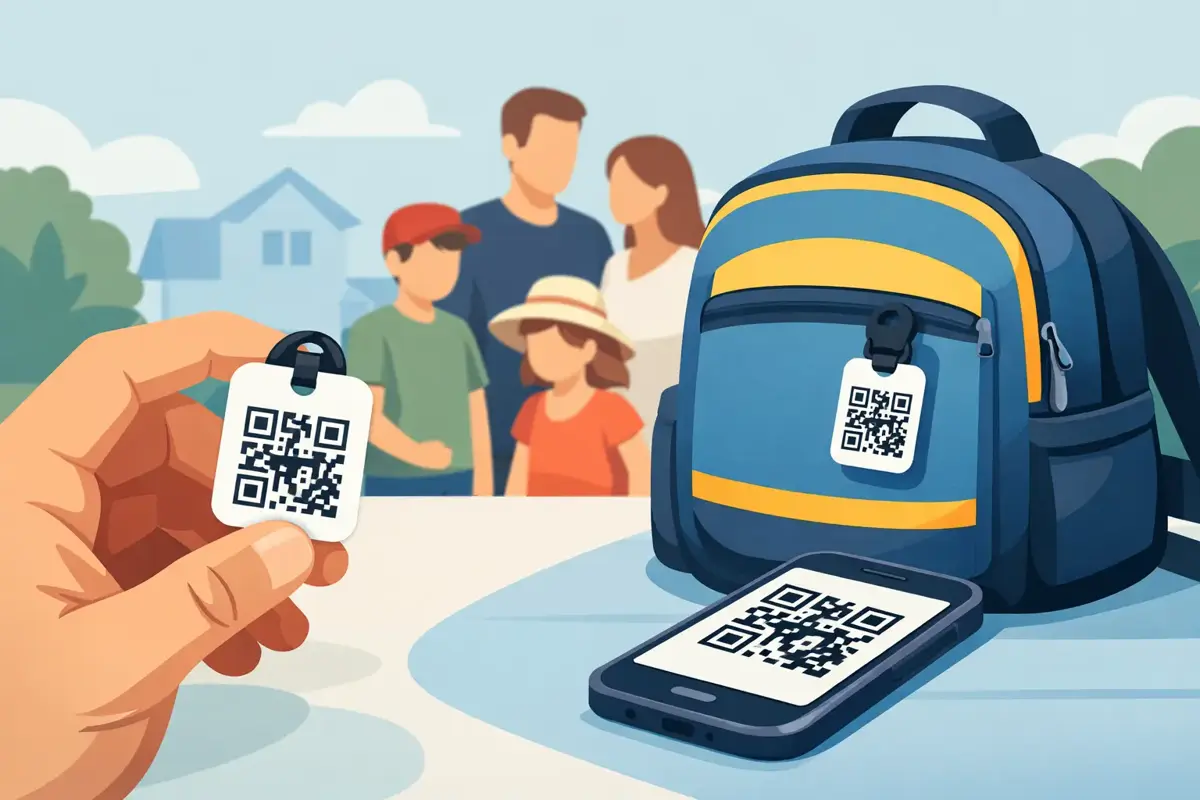
A rider is injured on a quiet country road. A school bag is left on the train. A neighbour notices something unusual at an empty holiday home. In each case, the person who can help may not know who to call. This no app safety tag review looks at whether a QR safety tag can close that gap quickly, without putting your private mobile number on public display.
The short answer is that no-app QR safety tags solve a very practical problem well: they give a finder, Good Samaritan or first responder a simple path to contact the right person. Scan the code with a mobile camera, follow the prompt and make contact. There is no special app to find, install or learn in a stressful moment.
That simplicity matters most when time, confidence or clear communication is in short supply.
What is a no-app safety tag?
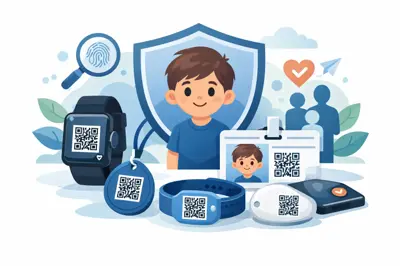
A no-app safety tag is a physical tag, sticker or wearable item printed with a unique QR code. It is attached to something important - such as a helmet, vehicle, wallet, luggage, pet collar, keyring or medical item - and linked to contact details selected by the owner.
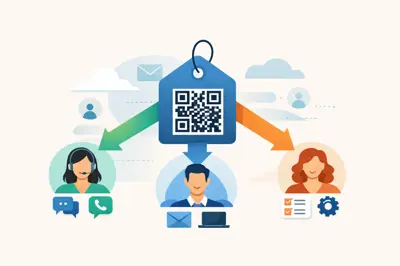
When someone scans the QR code using their mobile camera, they can be given a way to call or message the owner or nominated emergency contacts. A well-designed system masks the actual phone numbers, so the person scanning does not need access to private details to start a conversation.
The important distinction is between the person who owns the tag and the person who scans it. The owner generally activates and manages their tag online. The scanner does not need an account or an app. They only need a camera-equipped mobile and, in most situations, an internet connection.
For Australian families, that is a major advantage. A useful safety tool should still work when the person helping is a stranger, a neighbour, a teacher, a tow-truck driver or another traveller. Requiring them to download an app introduces a delay and gives them another reason to give up.
No app safety tag review: where it helps most
The strongest no-app safety tags are not defined by the QR code itself. QR codes are familiar and inexpensive. Their value comes from what happens after the scan: fast contact, clear instructions and privacy protection.
Consider a motorcyclist who cannot speak after a crash. Their helmet tag can direct a responder to call a nominated contact. A driver with a medical condition can place a tag where it is easy to find, helping others reach family quickly if the driver is unable to use their own mobile.
Lost property is another everyday use. A wallet found near a café, a laptop left in a university library or luggage that has taken the wrong route can be returned without printing an email address or phone number on the item. The finder simply scans and sends a message. The owner decides what details to share next.
For parents and carers, the benefit can be more personal. A tag on a child’s bag, jacket or keyring can help reconnect a child with their family if they become separated in a crowded place. A wearable tag can also support people living with dementia, allergies or other conditions where immediate contact with a carer may be needed.
At a holiday home, a QR tag can give trusted neighbours, tradespeople or emergency services a simple route to the right contact if there is a burst pipe, storm damage or an alarm concern. It avoids the common problem of a property sitting empty while the only contact number is buried in a neighbour’s old messages.
The privacy test matters
A safety tag is meant to make contact easier, but it should not make personal information public. This is where products can differ significantly.
A basic engraved tag may show a name and mobile number to anyone walking past. That may be acceptable for some uses, but it creates a permanent privacy trade-off. The same applies to labels that display a home address or detailed medical information where anyone can read it.
A privacy-first QR safety tag can route calls and messages without exposing the owner’s private number. It gives a finder a way to act while giving the owner more control over their personal details. That is particularly relevant for children’s belongings, travel bags, car keys and items used in public places.
Privacy does not mean hiding everything. In an emergency, the goal is to make the right information available to the right person. A good setup focuses on practical contact options and avoids loading a public-facing page with unnecessary personal details.
Before choosing a tag, check who can see your contact information after a scan, whether numbers are masked, and how easily you can update emergency contacts. Details change. Families move, mobiles are replaced and care arrangements evolve. A tag that cannot be updated can become a false sense of preparedness.
What to look for before you buy
The digital service is only half the product. The physical tag needs to remain readable when it is actually needed.
For a vehicle, trailer or outdoor equipment, choose a weatherproof tag that can handle sun, rain, dust and regular cleaning. A tag placed on a helmet or bike should be durable enough for daily use without becoming difficult to scan. Luggage and key tags need secure fittings that will not fall away after a few trips through airports, car boots and baggage belts.
Placement is equally important. A tag buried under a seat or inside a wallet compartment cannot help a person who is looking for a fast contact method. On a vehicle, place it where it is visible but does not interfere with safety labels, lights or registration requirements. On a helmet, choose an accessible area that does not affect its fit or integrity. For bags and luggage, make the code easy to spot without leaving it exposed to constant abrasion.
It is also worth testing the tag yourself. Scan it with more than one mobile, in ordinary light and outdoors. Ask a family member who is less confident with technology to try it. If they hesitate at any step, refine the contact page or tag placement before relying on it.
The trade-offs to understand
No-app does not mean no technology. A scanner usually needs a smartphone with a working camera and internet access. In an area with poor coverage, contact may be delayed. That is one reason a QR safety tag should complement sensible preparation, not replace it.
For medical needs, keep following advice from your health professional and carry any essential medication or medical identification recommended for your condition. For drivers, a QR tag does not replace emergency services, roadside assistance, vehicle insurance or safe driving practices. In a life-threatening situation, calling 000 remains the priority.
There is also a human factor. Most Australians recognise QR codes, but not every finder will notice a small tag or think to scan it. Clear wording such as “Scan for emergency contact” can make the purpose obvious. A tag works best when its job can be understood in seconds.
The other trade-off is upkeep. You need to activate the tag, add reliable contacts and update them when circumstances change. Choose contacts who understand that they may receive an unexpected call and know what to do. For example, a child’s emergency contact should know the child’s school, relevant medical needs and who else to call.
Is it worth using across the household?
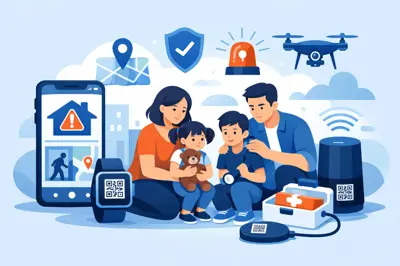
For one person, a safety tag can be a simple emergency contact tool. Across a household, it can become a practical layer of everyday preparedness. The same contact-routing approach can support the family car, a teenager’s school bag, travel luggage, house keys, a pet collar and an ageing parent’s wearable item.
That does not mean every object needs a QR code. Start with the items that are frequently carried, easy to lose or most likely to be involved in an urgent situation. A vehicle, helmet, wallet, luggage and house keys are sensible first choices. Add tags where they solve a real communication problem, rather than treating them as a novelty.
ContactMeTag is designed around this principle: an Australian-made physical tag paired with online activation, privacy-conscious contact routing and no app required for the person who scans. The strongest value is not the tag on its own. It is the chance for someone to reach you, or the right person, when they otherwise could not.
Set up your contacts while things are calm. Put the tag where it can be found, test a scan and tell your family what it is for. When you cannot speak, your QR code can speak for you.