QR Tags Versus Paper Cards: Which Protects You?
By ContactMeTag · · 7 min read
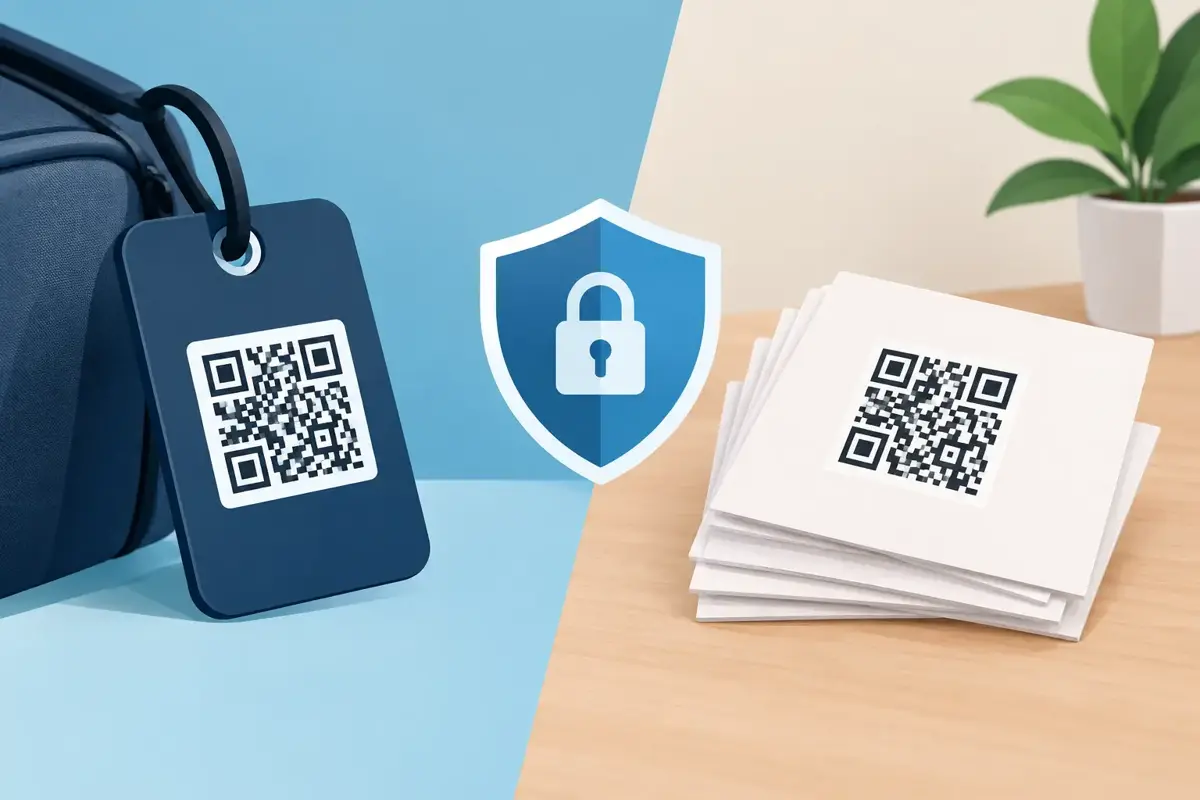
A note tucked into a child’s school bag, a mobile number on a luggage card, or an emergency contact card in a wallet can help - until it is wet, out of date, unreadable or simply missed. When comparing QR tags versus paper cards, the real question is not which looks more modern. It is which one helps the right person take action when time, privacy and clear communication matter.
For Australian families, drivers, travellers and carers, this is a practical decision. A lost wallet at the shops, a minor crash on a country road, a pet found near a busy street or a medical incident can all leave someone needing to contact you quickly. The contact method needs to work for the person standing there, not only for the person who prepared it.
QR Tags Versus Paper Cards: The Key Difference
Paper cards carry information directly on the card. A QR tag directs the scanner to a secure online contact page. With a well-designed QR system, the finder scans the code with their mobile camera, sees clear instructions and can call or message the owner or nominated contact without needing an app.
That difference changes how much information you need to leave in public. A paper card usually requires a visible name, phone number, address, medical detail or combination of these. Once printed, that information can be read by anyone who picks it up. It can also be copied, photographed or kept long after the item has been returned.
A QR tag can keep personal phone numbers private while still making contact possible. The person scanning it does not need your number. They need a fast, obvious way to reach someone who can help. This is particularly useful on a vehicle, helmet, house key, school bag or pet collar, where a public mobile number may not be the safest choice.
When Paper Cards Still Have a Place
Paper is not useless. A written emergency card inside a wallet can be valuable for someone who does not have a mobile, cannot scan a code or needs to read essential information without relying on reception. For people managing serious allergies, complex medications or a condition that may affect communication, a concise printed card can provide immediate clinical facts.
Paper also has no digital setup. Write the details, place the card where it belongs and it is ready. That simplicity appeals to people who prefer familiar tools or need a backup that works without a charged phone.
But paper works best as a limited, controlled record rather than the only point of contact. It is easy to forget when numbers change. Ink fades in a hot glovebox, cards bend in a wallet, and a handwritten number can be hard to read when someone is stressed. If the card is stored inside a bag or wallet, a finder may not think to search for it. If it is displayed outside, your personal details are exposed.
Why a QR Tag Can Be Faster in Real Situations
Most Australians already know how to use a phone camera to scan a QR code. It has become an everyday action. In an urgent situation, that familiarity matters. A QR tag creates a simple instruction: scan, choose call or message, and make contact.
Consider a motorcyclist stopped after a crash. A responder may need to reach a partner or family member quickly. A QR tag on a helmet can point them to nominated emergency contacts without displaying the rider’s mobile number to every person who sees the helmet at a servo or car park.
The same applies to a lost item. A luggage label printed with a full home address gives strangers more information than they need. A QR tag lets a finder contact you about the bag, while you decide how and where to arrange its return. For a wallet, keys or laptop, this is a safer balance between being reachable and being private.
There is another benefit: the details behind a QR code can be updated without replacing the tag. Change mobiles, move house, add a new emergency contact or update a travel plan, and the physical tag can stay where it is. A paper card must be found, rewritten and replaced everywhere you have used it. That is easy to postpone, right up until the day it matters.
Privacy Is More Than Hiding a Phone Number
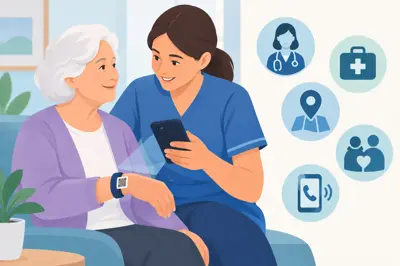
A visible mobile number can lead to unwanted calls, messages or scams. An address can reveal where a person lives, particularly when it is attached to keys, a child’s item or an unattended vehicle. For carers supporting someone with dementia, privacy can be even more sensitive. The aim is to let a Good Samaritan reach help, not to make personal details public.
A privacy-first QR system can route calls and messages while masking personal contact details. The scanner gets a useful path to action. You retain greater control over what is shared and who is contacted. That is a meaningful advantage when the tag is designed to be seen by strangers.
Privacy does depend on the provider and the information entered during setup. Avoid placing unnecessary medical details, full addresses or sensitive personal information on any public-facing profile. Keep the page focused on what a finder or responder needs: who to contact and how to help safely.
Durability Changes the Comparison
A paper card in a protected wallet may last for years. A paper label on a water bottle, helmet, pram or ute is a different story. Rain, sun, friction, heat and regular handling can quickly turn a useful card into a curled, faded scrap.
QR tags made for real-world use are built to be durable, weatherproof and readable after everyday knocks. Material matters, as does placement. A tag needs to sit somewhere visible and sensible: on the outside of luggage, the back of a helmet, a pet collar, a keyring or a vehicle location that can be seen without opening anything.
No tag is invincible. It can be scratched, covered by dirt or separated from the item it was meant to protect. Check it occasionally, clean it when needed and scan it yourself after fitting. A QR code is only useful if it remains easy to scan.
What Happens If There Is No Reception?
This is the strongest case for carrying a paper backup. A QR tag needs a scanner with a mobile and sufficient internet access to load the contact page. In remote areas, underground car parks or locations with poor coverage, this may slow things down.
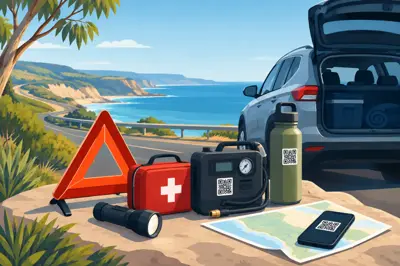
That does not make QR tags unsuitable for Australia. It means they should be used thoughtfully. On a road trip, keep a printed emergency card in the glovebox as well as a QR tag on the vehicle or keyring. For a child going on camp, include a simple paper note with critical allergies if required by the school, while using a QR tag to keep parent contact details current and private.
The best setup is often not QR or paper. It is QR for fast, privacy-protected contact in public, with a paper card as an offline backup for essential information. Each tool covers the other’s weak spot.
Choosing the Right Option for Each Situation
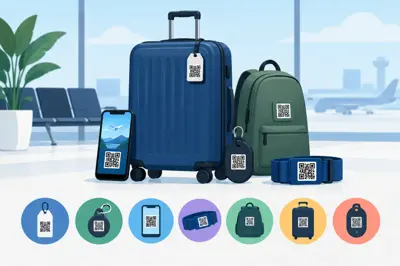
For visible items that are likely to be found by strangers - luggage, keys, bikes, pets, helmets and bags - QR tags are generally the stronger choice. They are easier to scan than a tiny handwritten note, do not need a public phone number and can be updated over time.
For private documents, a wallet interior or a home emergency folder, a paper card still makes sense. It can list a small amount of essential information for authorised people or responders. Keep it legible, dated and free from details that could create a privacy risk if the card is lost.
For vehicles and homes, think about the person trying to help. A neighbour noticing an issue at a holiday home may need an immediate way to reach the owner. A witness at a vehicle incident may need to reach a family member. A clear QR tag offers a direct route without asking someone to search through compartments or guess who to call.
Set It Up Before You Need It
The value of any emergency contact tool comes from preparation. Add contacts who are likely to answer, tell them they have been nominated and review their details after a change in circumstances. If you use a QR tag, scan it after activation and make sure its contact options are clear.
Choose contacts who can act, not just people whose names look right on a form. A parent collecting a child, a neighbour with access to a property, or a partner who knows your travel plans may be more useful than a contact who is often unavailable.
ContactMeTag combines a physical, Australian-made QR tag with contact routing designed for these moments. The technology stays in the background. What matters is that a scan gives a finder, responder or Good Samaritan a clear next step when you cannot provide one yourself.
A paper card can be a sensible backup. A QR tag can be the visible, updateable and privacy-conscious first response. Put both to work where they make sense, check them before you need them, and give the people around you a better chance to help when every scan counts.