Five Ways QR Tags Aid Carers When It Counts
By ContactMeTag · · 6 min read
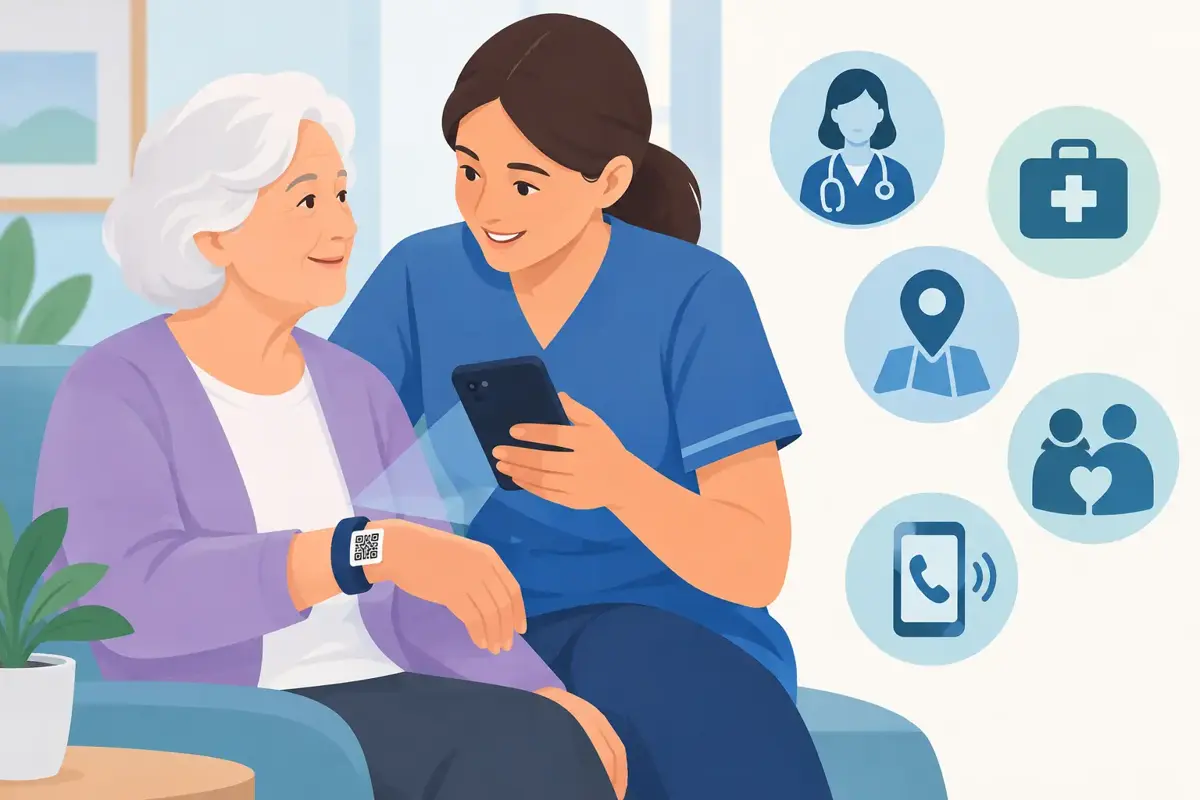
A missed call, a confused moment at the shops or a misplaced medical bag can turn a normal day into a stressful one. These five ways QR tags aid carers show how one simple scan can help the right person make contact quickly, while keeping private mobile numbers out of public view.
For carers supporting an older parent, a child, a person living with dementia or someone with a medical condition, preparation needs to be practical. A QR tag does not replace supervision, a care plan or emergency services. It gives a finder, first responder or helpful bystander a clear next step when the person who needs help cannot explain what to do.
1. They help someone make contact when words are difficult
A medical episode, anxiety, sensory overload, confusion or a fall can make it hard for a person to remember a phone number or explain who should be called. That is often when carers need to be reached most urgently.
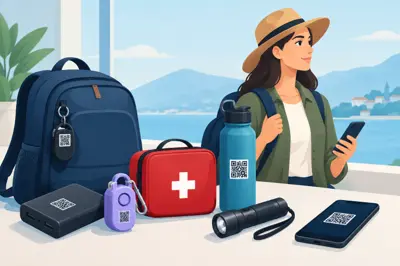
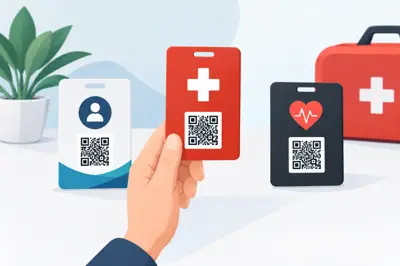
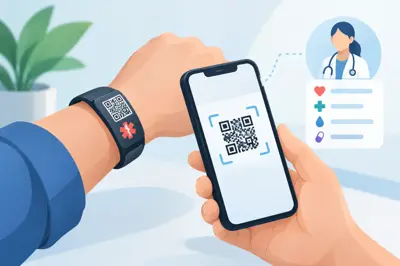
A QR tag worn on a lanyard, attached to a bag or fixed to a keyring can direct a scanner to nominated contacts. They scan the code with their mobile camera, choose to call or send a message, and the carer can respond. No app download is needed for the person scanning.
This is especially useful for people who are usually independent but may occasionally become disoriented. A person living with early-stage dementia, for example, may still enjoy walking to the local café or taking public transport. A visible, durable QR tag adds a practical contact pathway if they cannot find their way home or communicate clearly.
The tag should be easy to spot without making the wearer feel labelled. Some families prefer a discreet keyring or bag tag. Others choose a wearable option for a person who may leave belongings behind. The best placement depends on daily routines and what the person is comfortable using.
2. They protect privacy while keeping carers reachable
Writing a carer’s name and mobile number on a card, helmet or bag is straightforward, but it exposes personal details to anyone who sees it. That may not feel appropriate when the item is worn in public or left in a school bag, vehicle or mobility aid.
QR tags offer a privacy-first alternative. A person who scans can be routed to the nominated contact without seeing the private number. The carer remains reachable, while their personal details stay protected.
This matters when several people share responsibility. A family may nominate a partner first, an adult child second and a neighbour or support worker as another contact. If one person is at work, driving or simply unable to answer, there is another clear pathway instead of a dead end.
Keep the nominated contacts current. Review them after a change in phone number, living arrangements or care arrangements. It takes only a few minutes, but it prevents a tag from pointing to someone who can no longer help.
3. They make handovers safer outside the home
Care does not stop at the front door. School drop-offs, respite visits, appointments, community activities and weekend stays can involve several adults sharing information and responsibility. Most handovers go smoothly, but a busy car park or crowded venue can quickly create confusion.
A QR tag on an everyday item gives a reliable contact route if a child is separated from a group, a support participant is waiting in the wrong location, or a bag with essential items is left behind. Rather than relying on a stranger to search social media or wait for a lost-property desk to open, they can scan and contact the appropriate person straight away.
For school-aged children, a tag on a backpack can be more useful than one tucked inside a wallet. For an adult attending a day programme, a tag on a regular bag, keys or lanyard may be a better fit. Place it on the item most likely to be with them, not merely the item that looks neat.
A QR tag is also helpful for carers themselves. If you are carrying medication, spare clothes, communication aids or important paperwork, a tag can help reunite you with that bag if it is left in a taxi, waiting room or café. That can prevent a difficult disruption to the person in your care.
4. They support faster action around vehicles and mobility equipment
Cars, utes, scooters, bicycles and mobility aids are part of many care routines. They help people get to appointments, remain active and stay connected with their community. When something goes wrong, however, a carer may not be nearby or may be unable to answer questions immediately.
A QR tag placed on a vehicle can give a bystander a way to reach a nominated contact after a minor incident, if lights have been left on, or if the vehicle is creating an access issue. For a person who drives independently but has a health condition, it can provide an additional contact option when urgent assistance is needed.
On a mobility scooter, wheelchair or walker, a tag can assist if the equipment is misplaced, moved accidentally or separated from its owner. These items are not easily replaced and may be essential to someone’s independence. Clear contact access can reduce the time they spend without them.
Use sensible judgement about what information is made available. A tag should make contact easy, not advertise personal health details or a home address. Keep the message focused on reaching the appropriate person. In a life-threatening emergency, bystanders should call Triple Zero (000) first.
5. They help recover the belongings that keep care running
The things a person carries can be far more than possessions. A wallet may hold concession cards. A bag may contain medication, glasses, a communication device or a charging cable. Lost keys can mean a vulnerable person cannot get into their home. A misplaced laptop may contain care schedules and appointment details.
A QR tag creates a quick, low-pressure way for an honest finder to return an item. They do not need to know the owner, join an app or reveal their own number. They simply scan, make contact and arrange a safe return.
For carers coordinating a household, this can remove a layer of stress from an already full day. A tag on keys, wallets, luggage and medical bags will not prevent items being misplaced, but it gives them a much better chance of finding their way back.
ContactMeTag combines durable physical tags with online contact management, so details can be updated as care needs change. That flexibility is useful for families whose routines, support networks and emergency contacts may shift over time.
Setting up QR tags for real-life care
A QR tag works best when it is part of a simple plan, not a last-minute purchase that stays in a drawer. Choose the items that travel with the person most often, activate the tag online and add contacts who understand their role. Let those contacts know they may receive a call or message from a scanner.
Before relying on the tag, test it with a family member’s mobile. Check that the contact options are clear and that every nominated person can respond. If the person being supported is comfortable doing so, explain what the tag is for in plain language: if they are lost or need help, someone can scan it and call a trusted person.
Avoid treating the tag as a substitute for identification, medical alert information, location sharing or direct supervision where those measures are needed. Its value is immediate connection. When someone has the tag in front of them and does not know what to do next, a scan gives them a safe, practical way to reach the people who do.
Care often depends on small preparations that make a big difference at the wrong moment. A well-placed QR tag gives a helpful stranger one clear action to take, and gives carers a better chance to be there when they are needed.