The ContactMeTag Journal
QR Tags Versus Medical ID Cards Compared
QR tags versus medical ID cards: compare speed, privacy and emergency information access so you can choose practical protection for everyday life too.
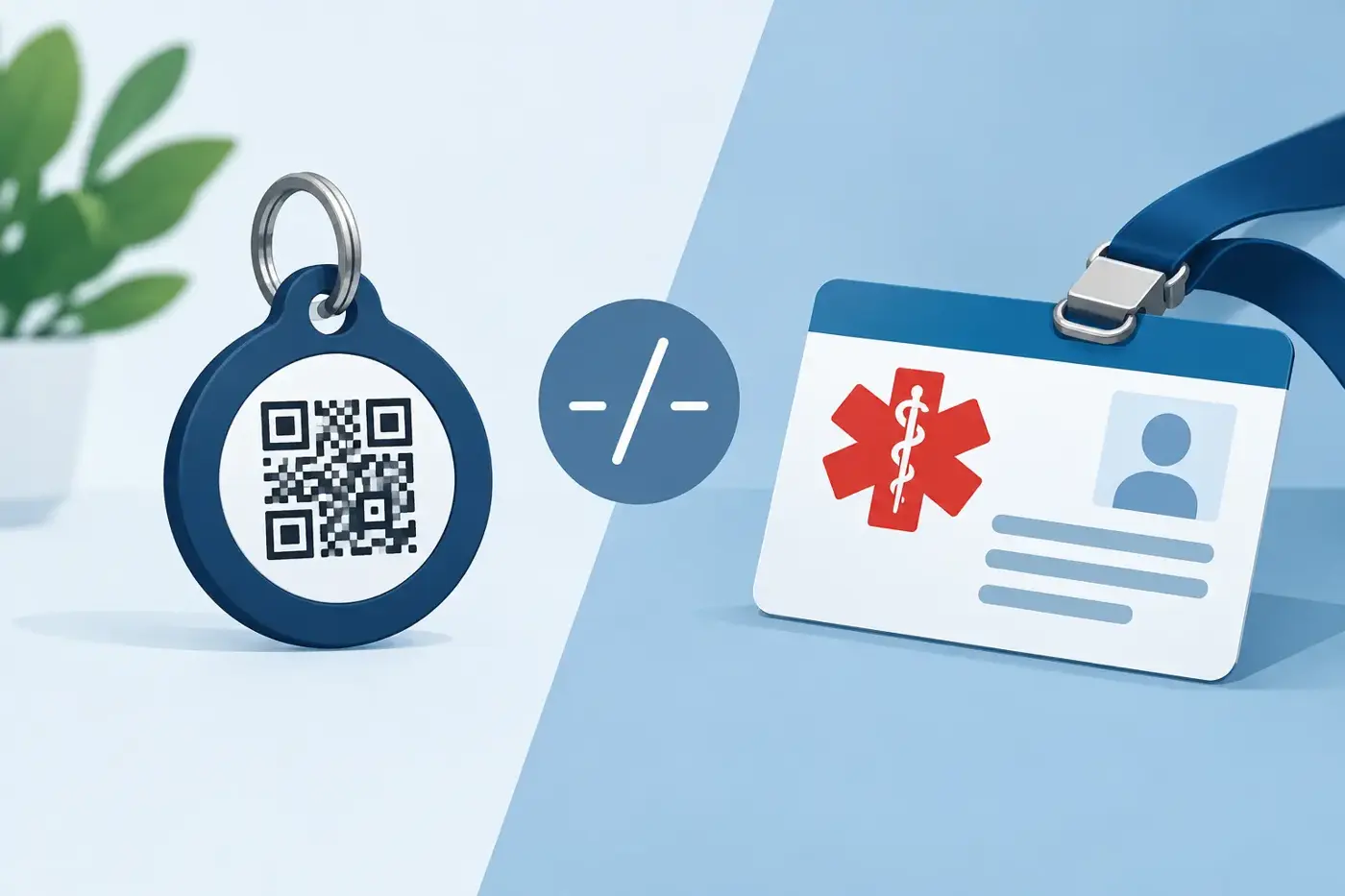
A medical emergency does not wait for a family member to arrive, a phone to be unlocked or a bag to be found. When comparing QR tags versus medical ID cards, the real question is simple: what can a stranger, Good Samaritan or emergency responder use quickly when you cannot explain what you need?
Both options can play a valuable role. A traditional medical ID card puts essential details in writing. A QR medical tag can connect the person helping you with the right people and information in seconds. The better choice depends on your health needs, daily routine and how much information must be available without putting your privacy on public display.
What a medical ID card does well
A medical ID card is a physical card, usually carried in a wallet or purse. It may list a medical condition, allergies, medications, Medicare details, an emergency contact and a doctor’s name. It is familiar, affordable and does not need a camera, mobile signal or battery.
That simplicity matters. If someone finds your wallet, they may see a clearly marked medical card straight away. In a hospital or clinical setting, written details can help confirm information when the card is current, legible and close at hand.
For people who prefer low-tech preparedness, a card can be a sensible starting point. It also provides a visible backup for essential facts such as “anaphylaxis”, “Type 1 diabetes”, “epilepsy” or “takes blood thinners”.
The limitation is access. A card only helps when it is with you and found. During a fall, cycling crash, roadside incident or episode of confusion, a wallet may be in a pocket, handbag, glovebox or somewhere else entirely. A responder may not search through personal belongings immediately, particularly if there is no obvious reason to do so.
Medical cards can also become outdated. A changed medication, new allergy, moved house or new emergency contact means printing a replacement and removing the old one. If private details are written on the card, anyone who picks it up can read them.
Where QR medical tags change the response
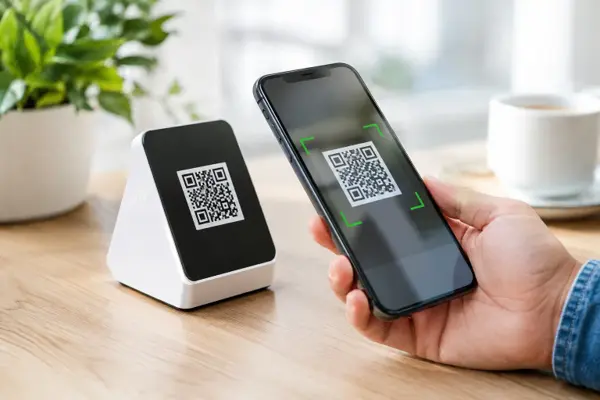
A QR tag is placed where it can be noticed and scanned. It may be worn on a keyring or bracelet, attached to a helmet, placed in a vehicle or added to a child’s school bag. A person scans the code with their mobile camera and is directed to the information or contact options you have chosen.
The strongest advantage is immediate contact. Rather than hoping somebody can locate a card and interpret the details, a scanner can call or message a nominated emergency contact. This is particularly useful when the person needing help is unable to speak, disoriented, unconscious or too distressed to remember a mobile number.
With ContactMeTag, the scanner does not need an app, account or paid service to make contact. Calls and messages are free for the person scanning, while private contact numbers remain masked. That means a helpful stranger can act quickly without your family’s personal numbers being printed on a public tag.
A QR tag also allows information to be updated online. If your emergency contacts change, you can update the details without replacing the physical tag. For families managing allergies, dementia care, complex medications or regular travel, that flexibility can be more practical than relying on a card that was completed months ago.
QR tags versus medical ID cards: the key differences
A medical card is designed to be read. A QR tag is designed to start action. That distinction matters in an urgent moment.
A card can carry a lot of information directly, but only within the space available and only for someone who finds it. A QR tag can keep the physical item simple and visible while connecting the scanner to current emergency contacts and selected information. It is especially useful for people who are active outdoors, ride a motorbike or bicycle, drive regularly, travel, or may leave a wallet behind.
Privacy is another major difference. A medical card may show your name, address, diagnosis, medication and phone numbers to anyone who opens your wallet. Some people are comfortable with that trade-off. Others want vital contact options available without displaying sensitive details to every person who sees the tag.
QR tags depend on a mobile camera and usually an internet connection. In remote areas or where reception is poor, this can be a genuine limitation. A printed medical card does not rely on either. For this reason, the most prepared approach for a person with a serious condition may be to use both: a clearly written medical alert card for core clinical facts, plus a QR tag that helps people reach family or carers quickly.
Choose based on the emergency you are planning for
A wallet-based card may suit someone who is usually with family, keeps their wallet on them and wants a straightforward record of medical details. It can be especially useful as part of a medical folder, handbag or travel document holder.
A QR tag is often the stronger option when visibility and fast communication are the priority. Consider a cyclist who crashes on a quiet road, a motorcyclist separated from their jacket, a child who becomes lost at a busy event, or an older person living with dementia who wanders from home. In each case, the immediate need may not be a detailed medical history. It may be reaching someone who knows what to do.
For allergies and chronic conditions, think about what you want a stranger to know at first glance. If the condition requires urgent treatment, a recognised medical alert bracelet or card with a short written instruction may still be appropriate. A QR tag can then provide the next layer: emergency contact access, relevant notes and a way to alert the people who need to know.
For travel, the pairing is equally useful. Keep medical details and travel documents secure in your wallet or luggage, while using a QR luggage tag or wearable tag to give a finder a privacy-protected way to contact you. If a bag, passport wallet or keyring is misplaced, the same scan can turn a frustrating delay into a quick return.
Set up the information people actually need
Whether you choose a card, QR tag or both, clarity beats quantity. Information should help a person make a safe next move, not leave them sorting through a long list of notes.
Start with current emergency contacts who are likely to answer their mobile. Let them know they have been nominated and discuss what they should do if they receive an unexpected call about you or your child. If you include medical information, use clear language and keep it current. A dated or confusing record can create uncertainty at the worst possible time.
For a QR tag, place it somewhere a helper is likely to notice. A car tag belongs where it can be seen after an incident. A helmet tag should be externally visible. A child’s tag works best on a bag, keyring or wearable item they take with them. A tag hidden deep inside a backpack has less value when every second counts.
It is also wise to explain the system to older children, carers and trusted family members. They do not need technical skills. They only need to know that a scan can connect a finder or responder with help quickly.
Do not treat either option as a substitute for medical care
Neither a QR tag nor a medical ID card replaces emergency services, a clinician’s advice, prescribed medication or a recognised medical alert device where one is recommended. In a life-threatening emergency, people should call Triple Zero (000) first.
These tools are there to reduce the communication gap around an emergency. They can help a responder identify that there is a condition to consider, help a finder contact family and help carers receive news sooner. That is valuable, but it works best alongside a personal medical plan.
The most useful safety tool is the one that stays with you, is easy for others to notice and gives them a clear next step. When you cannot speak, make it easier for the right person to be reached.