QR Safety Tag Review: Worth Using?
By ContactMeTag · · 7 min read
A flat battery, a bike crash, a lost school bag, a dog slipping the lead at the park - these are the moments when a QR safety tag review matters. Not because the technology is clever, but because someone needs a fast way to reach the right person without guessing, waiting, or exposing private details on a tag for everyone to see.
QR safety tags sit at the intersection of emergency prep and everyday problem-solving. They are simple in principle: a person scans a code and gets a path to contact the owner or an emergency contact. The real question is whether that process works quickly enough, clearly enough, and safely enough when people are under pressure. That is the standard worth judging.
What a QR safety tag review should actually assess
A lot of product reviews focus on materials, packaging, or how neat the tag looks on a keyring. Those things matter, but they are not the first test. A proper QR safety tag review should start with one question: what happens in the first 30 seconds after someone scans it?
If the answer is confusing, the tag is already failing. In an accident, on a roadside, at an airport, or outside a school gate, the scanner should not need an app, an account, or a lesson in how the system works. The next step should be obvious. Call. Message. Reach emergency contacts. Report the item found. That is the job.
Good QR safety tags also need to work for ordinary people, not just tech-confident users. A grandparent, a passer-by, a tradie, a teacher, or a good Samaritan should be able to scan and act without friction. If the system depends on downloads, sign-ups, or guesswork, response time slows down.
Where QR safety tags make the biggest difference
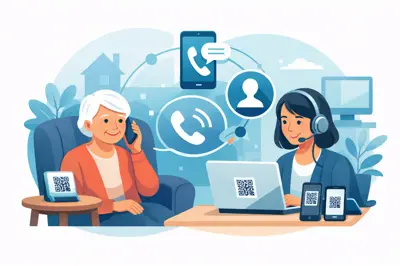
The strongest use case is when the owner cannot explain things themselves. Think of a rider after a collision, a child separated in a crowd, an older person living with dementia, or someone experiencing a medical event. In those moments, a visible QR code can become the quickest route to family, carers, or critical contact instructions.
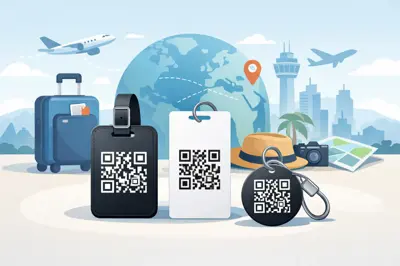
There is also a strong case for everyday recovery. Lost wallets, laptops, keys, and luggage are often found by honest people who want to help but have no safe way to contact the owner. Printing a mobile number on a label is simple, but it trades convenience for privacy. A QR-based contact system can bridge that gap by letting the finder make contact without seeing personal details.
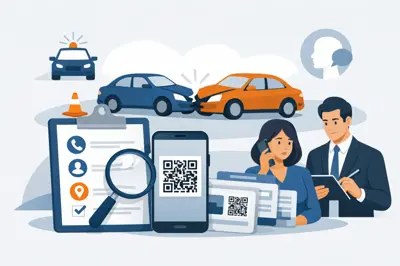
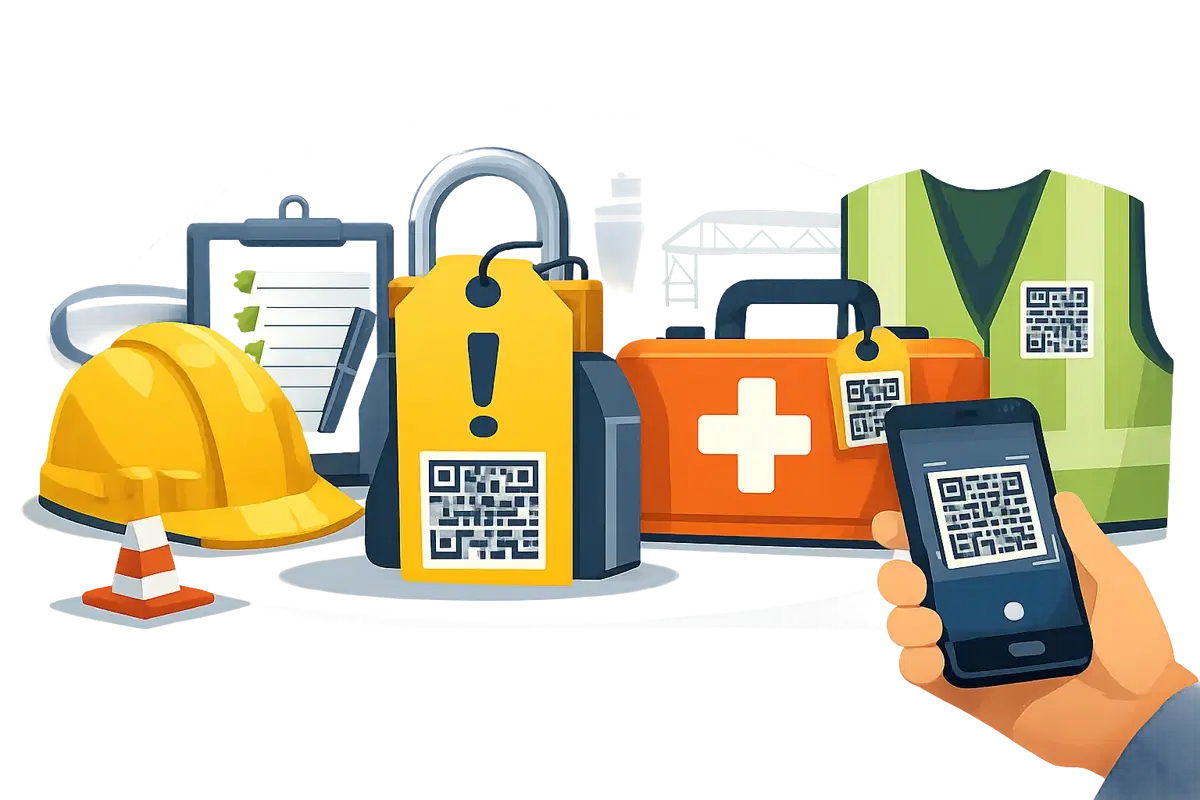
Vehicle and property tags are another practical category. A tag on a car, motorbike helmet, gate, holiday home, or worksite access point can help the right person be reached quickly when something goes wrong. That could mean a vehicle incident, a security concern, or urgent property access.
The best part of the model: privacy without adding delay
The most useful QR safety tags do not publish your phone number or email in plain view. That matters more than many people realise. A physical tag is public by design. If it sits on luggage, a pet collar, a child’s bag, or a bike, anyone can see it.
A privacy-first system gives the scanner a way to contact you or your nominated people without revealing those details on the tag itself. That reduces the risk of misuse while keeping the main benefit intact - quick communication. For many households, that is the difference between being comfortable with the tag and leaving it in a drawer.
There is a trade-off, though. Privacy should not make the process slower. If masking contacts creates too many steps, the tag becomes less useful in a real emergency. The better systems keep both promises at once: no exposed personal details and no app required for the scanner.
Durability is not exciting, but it matters
A QR safety tag can have an excellent contact platform and still fail in day-to-day use if the tag itself degrades. Sun, rain, road grime, school bags, pet bowls, helmets, and keychains are hard on anything attached to them. If the print fades or the code scratches easily, scan reliability drops over time.
That is why material quality matters more than presentation. Weatherproof finishes, clear print contrast, and a size that is easy to scan from a normal mobile camera all count. Tiny codes may look tidy, but they can be frustrating if they require perfect lighting or precise positioning.
For Australian conditions, this is not a minor issue. Heat, UV exposure, coastal air, and rough daily handling can quickly expose weak materials. A tag should be built for actual use, not just a clean product photo.
Setup should take minutes, not a weekend
One of the biggest strengths of QR safety tags is that they can be ready quickly. That only works if activation is straightforward. If setup is clunky, many people put it off, and an unactivated tag is just a sticker with no safety value.
The best systems make setup feel like a short practical task: register the tag, add the right contacts, check the contact flow, and attach it where it will be seen. That last part is often overlooked. A tag hidden under a seat, buried inside luggage, or placed where glare blocks scanning will not help much.
This is where scenario-based thinking matters. A motorbike rider might prioritise a helmet tag and a bike tag. A parent might focus on school bags and travel gear. A carer may want wearable tags and home access tags. The product works best when placement matches the real-world risk.
QR safety tag review: the trade-offs to think about
No safety product is magic, and a balanced QR safety tag review should say that clearly. QR tags depend on somebody noticing them and having a phone capable of scanning. Most people do, but not every situation is ideal. Poor lighting, damaged tags, or panic can affect response.
There is also the human factor. Some finders will act immediately. Others may hesitate. That is why clarity on the tag itself matters. A short instruction such as scan for emergency contact or owner details can prompt action faster than a bare code with no explanation.
Another trade-off is how much information should appear after scanning. Too little, and the finder may not know what to do. Too much, and privacy can start to erode. The right balance depends on use case. A medical-related tag may need more urgency and structure than a luggage tag. A child safety tag may need contact pathways that are especially simple and controlled.
What separates a good tag from a gimmick
A worthwhile system does four things well. It scans easily, routes contact fast, protects private details, and stands up to daily wear. If one of those pieces is weak, the product starts to feel more like a novelty than a safety tool.
It also helps if the platform supports updates. Life changes. Mobile numbers change, kids change schools, pets move carers, and travel plans shift. A static engraved tag can become outdated. A digital contact-routing system keeps the physical tag useful for longer because the contact details behind it can be adjusted without replacing the item.
That ongoing usefulness is one of the strongest arguments for this category. The tag stays in place, but the information can stay current.
Who gets the most value from one?
Families, riders, travellers, pet owners, and carers are the obvious fit, but the real pattern is simpler than that. QR safety tags are most valuable for people who want fast contact without public exposure of personal details. If you have ever hesitated to put your number on a bag, pet tag, keyring, or child’s gear, you already understand the problem these tags are solving.
They are especially useful where urgency is high and explanation may be impossible. Road incidents, medical episodes, wandering risks, and lost-property situations all benefit from a clear next step for the person trying to help.
For Australians who want a practical system rather than another app to manage, that low-friction setup is a real advantage. A well-designed option like ContactMeTag leans into that strength by making the scan the action point, not the start of a complicated process.
Final verdict on QR safety tag review
If you judge QR safety tags by the right standard, the category makes strong sense. They are not a replacement for medical IDs, emergency planning, or common sense. But they are a fast communication tool that can close the gap between a stranger wanting to help and the right person being reached.
The best ones earn their place because they work when the owner cannot speak, when an item has gone missing, or when every minute matters. If the tag is durable, the setup is simple, the scan is clear, and your privacy stays protected, it is not just a clever extra. It is a small piece of preparedness you are likely to be grateful for on the day something goes sideways.