Elder Care Contact Solutions That Work Fast
By ContactMeTag · · 7 min read
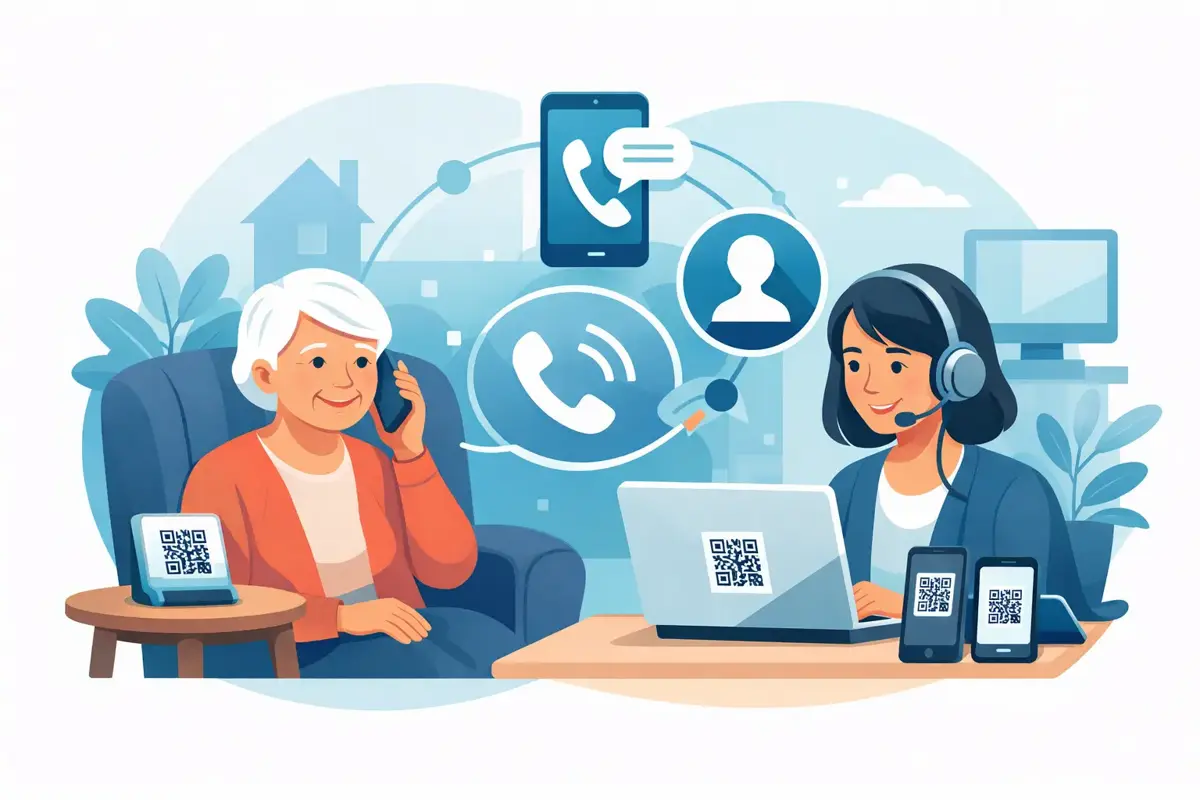
A missed call can be the difference between a quick check-in and a full-blown emergency. When an older parent lives alone, goes for regular walks, or is managing memory loss, the real issue is not just whether they have a mobile. It is whether the right person can be reached straight away when they cannot explain what is happening. That is where elder care contact solutions matter most.
For many families, the weak point is not care itself. It is communication during the first few minutes of a problem. A neighbour finds someone disoriented. A passer-by sees a fall. A pharmacist notices confusion. In those moments, people want to help, but they often do not know who to call, and they should not need to search through a handbag, unlock a phone, or handle private information to do it.
What elder care contact solutions actually need to do
A good system is simple under pressure. It should help a stranger, responder, support worker or community member contact family or a nominated carer with as little friction as possible. If it relies on app downloads, logins, complicated forms, or access to the older person’s personal device, the chances of delay go up fast.
That is why the best elder care contact solutions are built around one question: what happens when the person wearing or carrying the contact method cannot speak for themselves? In real life, that might mean after a fall, during a medical episode, while feeling distressed, or when dementia affects orientation and memory.
The answer needs to be immediate. Someone should be able to scan or read a tag and reach the right contact without exposing the older person’s private mobile number to the public. Privacy still matters, especially for vulnerable people. So does speed.
Where older Australians are most at risk of contact breakdown
The biggest communication gaps usually show up in ordinary settings, not dramatic ones. A person may leave home for a short walk and lose track of where they are. They may become confused at the local shops. They might leave a clinic, bus stop or community centre and struggle to explain who to call. Even at home, a fall near the front garden or driveway can leave them unable to reach their own phone.
Families often assume a wallet card or handwritten note is enough. Sometimes it is. But paper gets lost, fades, tears, and can reveal private contact details to anyone who picks it up. A standard medical bracelet can help in a health event, but it may not always provide a fast path to the right family member or carer. And if the details change, replacing engraved information can be slow and inconvenient.
That is the trade-off many carers face. You want something visible and easy for others to use, but you do not want to publish personal phone numbers or depend on a setup that is hard to update.
Why QR-based elder care contact solutions make sense
A QR-based contact tag solves a very specific problem. It gives a helper a direct action they can take immediately - scan the code and make contact. No special app, no guessing, no need to unlock the older person’s device. For carers, that means fewer barriers between an incident and a real conversation.
This matters because many helpful people will act if the next step is obvious. If a tag clearly signals that scanning it will connect them to a family member or emergency contact, they are far more likely to do it than search through belongings or wait for someone else.
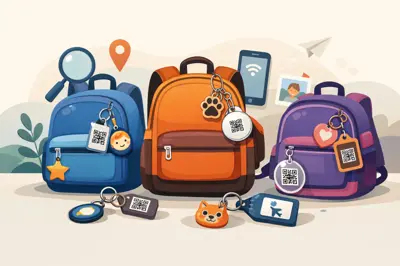
For elder care, QR contact solutions are especially useful on wearable items, walkers, keyrings, bags, mobility aids and personal accessories used every day. The best result comes from placing the tag where it is likely to stay with the person, not where it only works when everything goes to plan.
There is also a strong privacy advantage. Instead of displaying direct phone numbers, a digital contact-routing system can mask those details while still allowing calls or messages through. That means the older person’s information is not sitting in plain view, yet help can still reach the right household quickly.
What to look for in elder care contact solutions
Not every product suits every family. The right choice depends on the person’s routine, health condition and level of independence. Still, there are a few features that make a practical difference.
First, setup should be easy. If carers can activate the contact details online in minutes, it is more likely to be done properly and kept current. Second, the system should let you nominate more than one contact. Life happens. One family member may be at work, driving, or out of range, so having backup contacts matters.
Third, durability matters more than people expect. A tag used on a walker, handbag, set of keys or outdoor mobility aid needs to handle weather, friction and regular use. Fourth, the process for the scanner must be free and obvious. If helping feels awkward, expensive or technical, response rates will drop.
Finally, the best elder care contact solutions should fit into daily life without adding stress. Older Australians do not need another complicated device to charge, manage or remember. They need a safety layer that stays ready in the background.
A simple setup for families and carers
The most effective contact systems are usually the ones that become part of the daily routine. Start by deciding which item is most likely to stay with the person at all times. For one person, that may be a wearable tag. For another, it could be a keyring, handbag tag or label on a mobility aid.
Then choose the contact order carefully. The first contact should be someone who answers reliably during the day. The second should be able to step in quickly. If relevant, include details that help in context, such as whether the person is living with dementia, hearing impaired, diabetic, or likely to be distressed if approached too quickly. Keep it brief and practical.
After setup, test it. Scan the code, make sure the routing works, and confirm that everyone listed understands what to do if they receive a call from a stranger or responder. That small step can remove confusion later.
This is where a privacy-first system stands out. A solution like ContactMeTag allows the person helping to connect with nominated contacts without seeing private numbers, which is exactly the balance many families want - fast action without public exposure.
When a phone is not enough
Families often ask whether a smartphone already covers this. Sometimes it helps, but it is not a complete answer. Phones go flat. They get left at home, buried in a bag, or locked with passcodes that a helper cannot access. During a medical event or confusion episode, expecting someone to navigate a device is unrealistic.
That does not mean phones are useless. For some older people, they remain an important part of the safety mix. But relying on them alone leaves gaps. Elder care contact solutions work best when they support the person even when their phone cannot.
The same applies to GPS-focused products. Location tracking can be valuable, especially for wandering risks, but location alone does not replace communication. Once someone is found, a carer, family member or responder still needs a fast way to connect and decide what happens next.
It depends on the person, not just the product
An older adult living independently after minor surgery has different needs from someone with advancing dementia. A socially active retiree who drives, shops and attends appointments may need a discreet contact method that works across everyday outings. Someone with memory issues may need a more visible tag that invites quick help from the public.
That is why the strongest approach is not to chase the most complicated system. It is to choose the one people will actually use, carry and understand. A lower-tech option that works every day is often better than a high-tech one that sits in a drawer.
Families should also think about dignity. Safety tools should support independence, not make a person feel labelled or controlled. The right contact method can be reassuring rather than intrusive because it gives the older person a quiet backup when they need it most.
Every minute matters when someone cannot explain
The value of elder care contact solutions is easy to miss until the moment they are needed. Then it becomes obvious. A stranger does not need a full history. They need one clear action that gets them to the right person fast.
For carers and families, that is the real benefit. Less scrambling. Less guesswork. Less exposure of private details. More chance that if something goes wrong on a walk, at the shops, outside the chemist, or in the front yard, help can move quickly and calmly.
When you set up a contact solution before there is a problem, you are not overreacting. You are making sure that if your loved one cannot speak, explain or remember, someone else can still reach the people who matter most.