QR Contact Tag Review for Everyday Safety
By ContactMeTag · · 6 min read
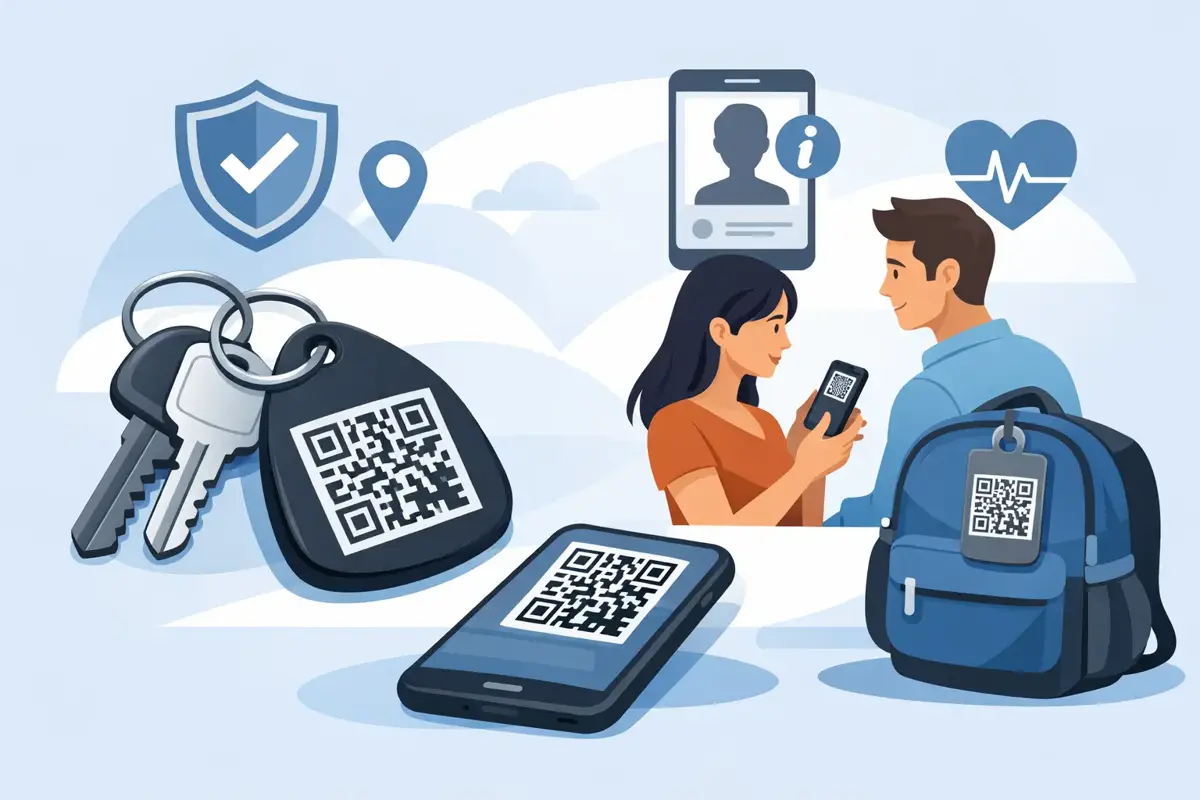
A wallet left on a café chair, a helmet beside the road after a crash, a dog that slips the lead at the park - these are the moments that make a QR contact tag review worth reading properly. The right tag does one job fast: it helps the right person make contact when time, privacy, and clarity matter most.
That sounds simple, but not every QR tag works the same way. Some are little more than a sticker with a phone number behind it. Others are built as a proper contact-routing tool, designed for emergencies, lost property, travel, and everyday mishaps. If you are choosing one for your family, your vehicle, your gear, or someone in your care, the difference matters.
What a QR contact tag should actually do
At its best, a QR contact tag turns a quick scan into immediate action. Someone scans the code with their mobile and gets a clear way to call or message the owner or nominated contacts. No app download. No confusion. No need to guess who to ring or whether they are exposing someone else's private number.
That is the standard to judge by in any QR contact tag review. The tag should reduce friction, not add it. A stranger, first responder, neighbour, airport staff member, teacher, or passer-by should be able to act in seconds.
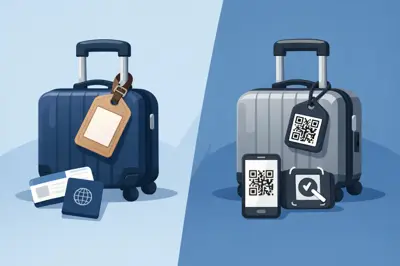
For Australian households, that has obvious uses. A motorbike rider may carry one on a helmet. A parent may place one on a school bag. A traveller may attach one to luggage. A pet owner may rely on one when a collar tag is too limited. A holiday-home owner may want a simple way for a cleaner, neighbour, or tradesperson to reach them without displaying a personal mobile number on the front gate.
QR contact tag review - the features that matter
The first thing to assess is privacy. A good QR contact tag should not force you to put your mobile number in public. That might seem convenient at first, but it creates a different problem - spam, unwanted contact, and permanent exposure if the item changes hands. A privacy-first setup is far more practical because the scanner gets a way to contact you without seeing details they do not need.
The second is speed. In an emergency, no one wants a multi-step process. If a rider is unconscious or a child is lost in a crowd, the person scanning needs to understand exactly what to do. The best systems present clean contact options immediately and work with the phone already in the scanner's hand.
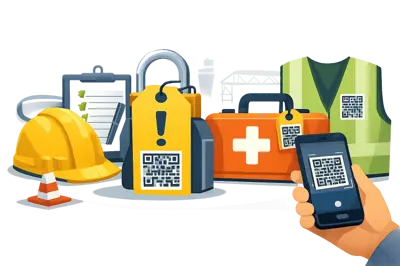
Durability matters more than many buyers expect. A tag on a keyring has different demands from one on a pet collar, bike helmet, suitcase, or ute. Weatherproof materials, reliable printing, and secure attachment points are not optional extras. If the code fades, peels, cracks, or becomes unreadable after a few months outside, the product has failed when it is needed most.
Then there is setup. A strong product should be easy to activate online in minutes, without technical fuss. Most people do not want another app to manage, another password to remember, or a long instruction booklet. They want to assign contacts, confirm details, attach the tag, and move on with their day.
Where QR contact tags perform best
QR tags are strongest in situations where the finder is willing to help but lacks context. A lost laptop in a university library, a backpack left on a train, a dog found wandering, or a suitcase circling alone on the carousel - these are ideal scenarios. The finder wants to do the right thing. The QR tag gives them a direct path.
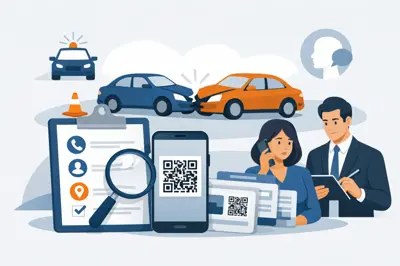
They are also highly useful where the owner may not be able to speak for themselves. After a collision, during a medical episode, or in a disoriented state, a visible QR tag can become a communication bridge. It will not replace medical ID where that is clinically required, and it will not replace emergency services, but it can help the right call happen faster.
For families and carers, this is where the value becomes more personal. Children, older Australians, and people living with dementia or allergies may all benefit from a contact method that is easy for others to use. It depends on the circumstance, of course. A QR tag is one layer of preparedness, not the whole plan. But it is a practical one.
The trade-offs in any QR contact tag review
No product is perfect, and a fair QR contact tag review should say that plainly. A QR tag depends on someone noticing it, understanding what it is, and having a mobile capable of scanning it. That is common now, but not universal. Placement matters. If the tag is tucked away under a bag strap or buried inside a wallet, the advantage shrinks.
There is also a difference between emergency contact and identity proof. A QR contact tag can help someone reach you or your nominated contact quickly, but it is not the same as formal ID, insurance records, or medical documentation. Buyers should think clearly about the job they need the tag to do.
The other trade-off is choosing between a generic QR product and one built for safety use. Generic tags may be cheaper, but they often leave too much to the user - building a page, exposing information, or relying on workarounds. A dedicated emergency-ready contact tag usually costs a little more because it is solving the harder problem properly: fast contact without sacrificing privacy.
What makes a tag worth trusting
Trust starts with what happens after the scan. If the experience is cluttered, confusing, or asks the scanner to do too much, people will give up. In a high-stress moment, simple wins. Clear prompts, immediate contact options, and no app requirement are not marketing extras. They are the product.
Trust also comes from local relevance. Australian-made tags, weather-ready materials, and support designed around real local use cases make a difference. Conditions here are hard on anything left in the sun, rain, surf, or dust. A tag used on a boat, bike, caravan, school bag, or pet collar needs to handle ordinary Australian life without fuss.
That is where a specialised option such as ContactMeTag stands apart. The concept is straightforward: physical QR tags paired with a digital contact-routing platform that lets people make contact fast while keeping personal numbers private. For buyers who care about readiness, that is the point. When you cannot speak, your QR code speaks.
Who should buy one and who might not need one
If you carry valuables, travel often, ride, drive long distances, manage kids' gear, care for an older relative, own pets, or simply like being prepared, a QR contact tag is easy to justify. It solves a common problem with very little effort. One small tag can prevent hours of stress and, in some cases, help the right person respond much sooner.
If you rarely leave home, never carry belongings outside, and have no need for emergency contact support, the benefit may feel less immediate. Even then, many buyers only recognise the value after one near miss - the missing keys, the lost school bag, the dog through the open gate, the luggage that did not arrive with them.
That is why the best buyers are not necessarily tech enthusiasts. They are practical people. They want something simple, affordable, and ready before the bad day arrives.
A practical way to judge before you buy
If you are comparing options, picture a real scenario rather than reading feature lists in isolation. Imagine a stranger finds your wallet. Imagine a paramedic or bystander sees your helmet. Imagine your child leaves a bag at sport. Then ask four questions.
Can the person scanning make contact immediately? Are your private details protected? Will the tag still work after months of daily use? And can you set it up quickly without turning it into a weekend project?
If the answer to any of those is no, keep looking. The best QR contact tags are not impressive because they are complex. They are impressive because they remove delay at exactly the moment delay causes the most trouble.
Preparedness does not need to be dramatic to be valuable. Often it is just one clear step taken early, so that if something goes wrong later, help has a way to reach you fast.