Why a Privacy Friendly Emergency ID Works
By ContactMeTag · · 7 min read
A stranger finds your child’s school bag at the oval. A rider comes off on a quiet road. A wallet is left behind at a servo. In each moment, speed matters, but so does privacy. A privacy friendly emergency ID gives the right person a way to act immediately without putting your mobile number, address or personal details on public display.
That balance is what makes it useful. You want help to be easy when something goes wrong, but you do not want your contact details printed on a tag for anyone to see, photograph or misuse. The best emergency ID systems solve both problems at once. They make contact fast for the person who needs to help, while keeping your private information protected in the background.
What a privacy friendly emergency ID actually does
At its simplest, an emergency ID is a tag, card or wearable marker that helps someone identify you, contact you or follow a next step during an urgent situation. The old-school version usually means engraving a name and phone number on something physical. That can work, but it comes with a clear trade-off. The same details that help in a genuine emergency are also visible to everyone else.
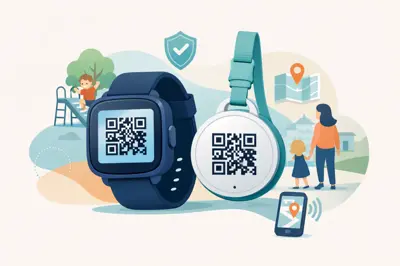
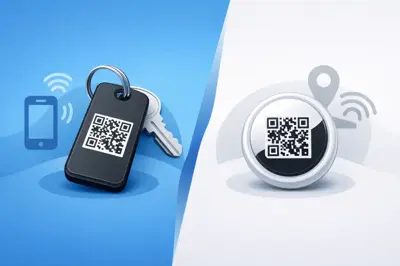
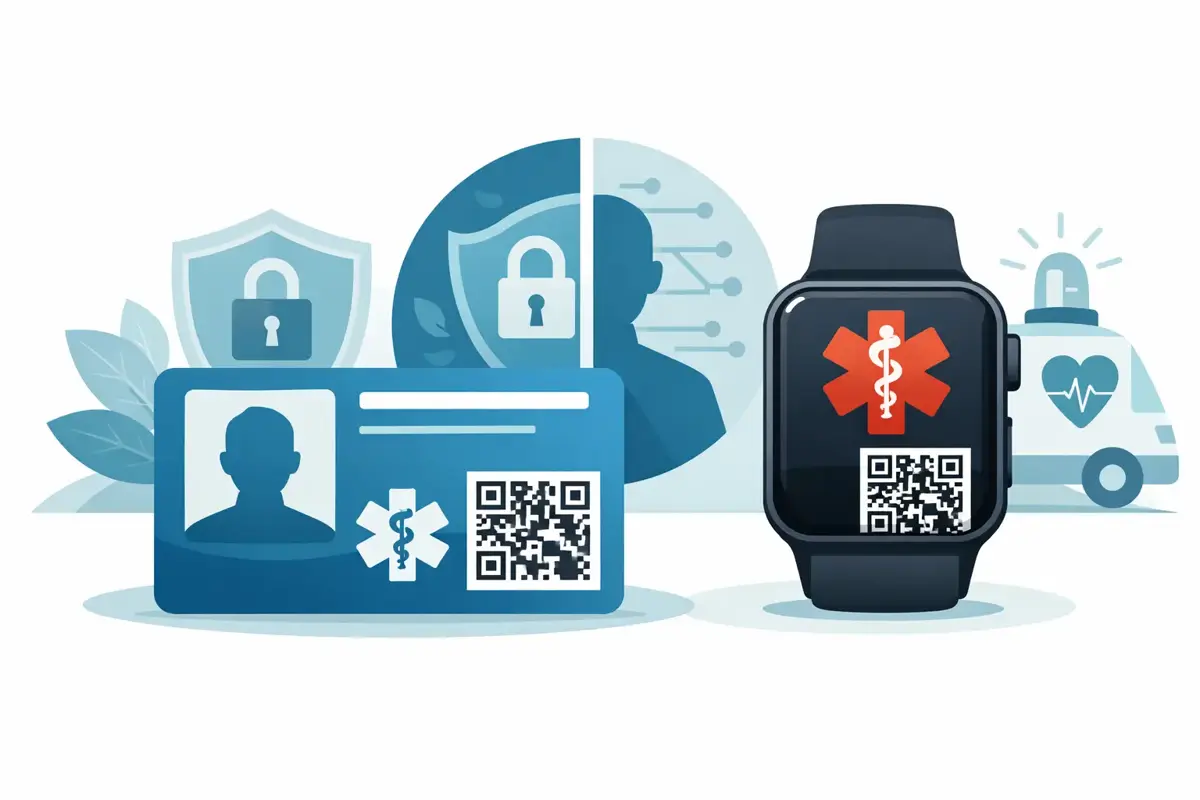
A privacy friendly emergency ID takes a different approach. Instead of showing your personal phone number or home address on the surface, it uses a secure contact method such as a QR code linked to a private contact-routing page. When scanned, the finder or responder can call or message the right person without seeing the actual number.
That matters more than many people realise. A bag tag, helmet sticker, pet tag or keyring can be seen at school, at the shops, on public transport, at the beach, in airport queues and in car parks. If private details are printed openly, there is no control over who can access them. A masked contact method gives you a way to stay reachable without being publicly exposed.
Why privacy matters in real emergencies
Privacy can sound like a nice extra until you think about where emergency IDs are used. They are often attached to items or worn in public. Children carry them. Travellers move through crowded places with them. Motorcyclists and cyclists wear them on gear that is visible every time they stop. Holiday homes and spare keys create another layer of risk if too much information is displayed.
In those settings, putting a personal mobile number on a tag is not always a small decision. It can lead to nuisance calls, unwanted messages or details being shared beyond the original purpose. For families, carers and anyone managing a vulnerable person’s safety, that risk is not theoretical. It is practical.
A privacy friendly emergency ID reduces that exposure while still helping the right person make contact fast. That is the point. It is not privacy for privacy’s sake. It is privacy that supports action.
Where this matters most
The strongest test of any emergency ID is whether it works under pressure. If someone is injured, distressed, lost or unable to speak, there needs to be a clear next step.
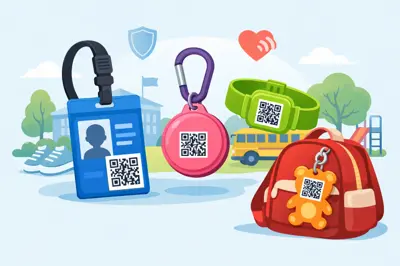
For drivers and riders, that can mean a QR tag on a helmet, keyring or vehicle that helps a bystander reach emergency contacts quickly. For parents, it might be a bag tag that helps a school, coach or Good Samaritan contact them if a child is separated from their belongings. For travellers, it can turn lost luggage from a waiting game into a fast return. For older Australians, dementia care and medical support can benefit from an ID that points helpers in the right direction without publishing sensitive personal details.
The same applies at home. A key safe, property tag or access tag can help trusted people reach the owner in a genuine issue without displaying a direct number for everyone who walks past. There is no single use case because emergencies are rarely neat. What matters is that the contact step is simple enough to use immediately.
What to look for in a privacy friendly emergency ID
Not every product that claims privacy will be equally useful when time is tight. Some systems protect information well but create too much friction. Others are easy to use but reveal more than they should. The practical middle ground is what you want.
A good privacy friendly emergency ID should let someone scan and act in seconds. No app should be required. That point matters because most finders will not install anything just to help. The contact option should be obvious, and calls or messages should go through without forcing the scanner to create an account or learn a complicated process.
It should also let you control what is shared. In some situations, you may want only a contact button visible. In others, you may want to include important health information, a first name, or instructions such as allergies or a request to call a nominated family member first. The level of detail depends on the person and the scenario.
Durability matters too. An emergency ID is no use if the code fades, peels or becomes unreadable after a few months in the sun, rain or daily wear. Australian conditions are hard on anything attached to a bike, pram, school bag, boat, pet collar or set of keys. A weatherproof, hard-wearing tag is part of safety, not a cosmetic extra.
The trade-off between too little and too much information
There is no perfect emergency ID for every person because risk looks different from one household to the next. Some people feel comfortable displaying a first name. Others prefer the outside of the tag to show almost nothing beyond a scan prompt. Some families want medical notes available straight away. Others would rather direct all contact through a parent or carer first.
That is why flexibility matters. If your child has severe allergies, you may want a clearer emergency prompt. If you are labelling luggage, the priority may be quick contact and privacy rather than medical details. If the tag is for a rider or an older family member, immediate emergency contact may matter more than anything else.
The right setup is the one that gives helpers enough information to do the right thing without creating unnecessary exposure. That line is not the same for everyone, and that is fine.
Why QR-based contact makes sense now
Most Australians already know how to scan a QR code. That familiarity matters in urgent moments because people do what feels obvious. If a tag clearly says to scan for contact, most finders understand the next step straight away.
Used well, QR technology keeps the process simple. The person scanning does not need to know your number, and you do not need to print it on the outside of the tag. Instead, the system handles the connection privately. That gives you the benefit of visibility without the downside of exposure.
For everyday use, it also makes updates easier. If an emergency contact changes, a child moves schools, a pet gets a new vet, or you want to change who receives alerts while travelling, you can update the profile behind the tag instead of replacing every physical label. That is practical, especially for families trying to keep multiple people and items organised.
Setup should take minutes, not a weekend
An emergency product only helps if people actually use it. That is why easy setup is not a minor feature. It is central to whether the system works in real life.
A strong privacy friendly emergency ID should be simple to activate online, easy to assign to the right person or item, and clear enough that anyone in the household can understand how it works. You should not need technical skills. You should not need to explain an app to grandparents, kids or a helpful stranger.
This is where practical design matters. If the tag is ready to attach, the scan page is clear, and the contact pathway works instantly, people are far more likely to use it properly. That is the kind of everyday readiness ContactMeTag is built around - fast setup, private contact routing, and a physical tag that is made to handle real Australian conditions.
A smarter kind of preparedness
Preparedness is not about expecting the worst every day. It is about removing avoidable delays when something does go wrong. A privacy friendly emergency ID does exactly that. It gives others a fast, obvious way to help while protecting the details you would rather keep off public display.
That is a better standard for modern safety products. Reachable when it matters. Private by design. Easy enough for everyday life.
When you cannot speak, when an item goes missing, or when someone else is trying to do the right thing quickly, the best emergency ID is the one that turns a simple scan into the right next step.