Is a Child Emergency Contact Wearable Worth It?
By ContactMeTag · · 7 min read
One crowded school fete, one wrong turn at the footy, one child too shaken to remember Mum’s mobile number - that is usually all it takes for a stressful situation to escalate. A child emergency contact wearable gives another adult a fast, simple way to reach you if your child is lost, injured or unable to speak for themselves.
For many families, the real question is not whether a safety tool sounds useful. It Is whether it will actually work in the moment that matters. That is where wearables designed for emergency contact details can make a genuine difference. The best ones remove friction. No searching through a bag, no hoping your child remembers a number, and no need to display private details where anyone can read them.
What a child emergency contact wearable actually does
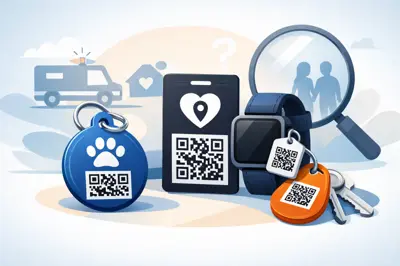
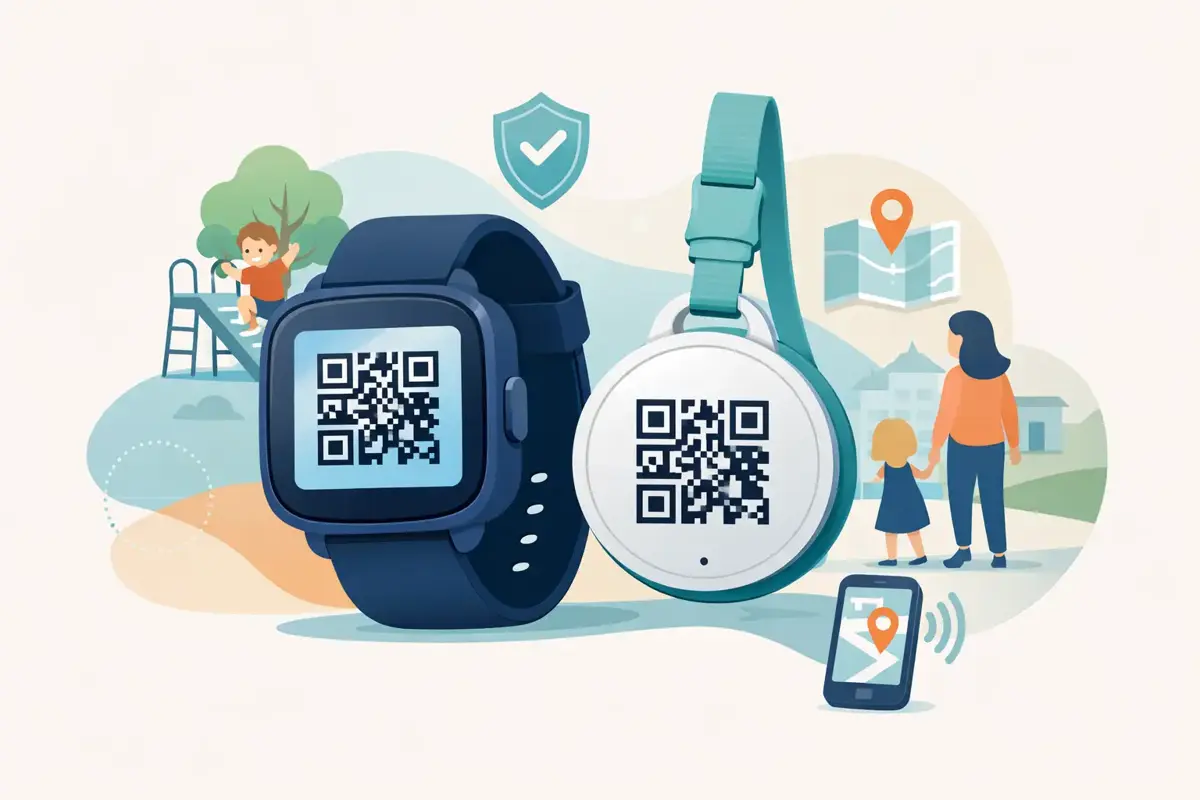
At its simplest, a child emergency contact wearable is something your child can wear on their wrist, bag, shoe or clothing that helps another person contact you quickly. That might be after a separation in a public place, a medical episode, an injury at sport or a moment of distress when your child cannot explain who they are with.
Older solutions usually relied on printed name bands or handwritten phone numbers. They still have a place, especially for very young children at one-off events, but they come with trade-offs. Printed details can fade, become unreadable, or expose personal information to anyone nearby. If your number changes, the tag is suddenly out of date.
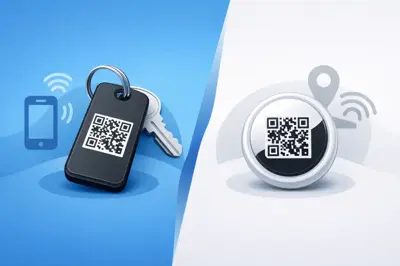
A more practical option is a wearable that uses a QR code linked to current emergency contacts. When scanned, it routes the finder or responder to the right contact path without revealing your personal mobile number in public. That matters more than many parents realise. You want to be reachable fast, but you do not want your child wearing visible private details every day.
Why families are turning to child emergency contact wearables
Parents are managing a lot of moving parts. School drop-off, after-school sport, weekend markets, family holidays, beach days and busy shopping centres all create moments where children can become separated from the adult they are with. Most of the time, these situations are resolved quickly. The trouble is that the first few minutes can feel endless when nobody knows how to contact you.
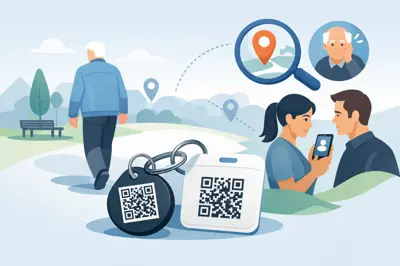
A child emergency contact wearable reduces that delay. It gives a teacher, coach, event staff member, neighbour or Good Samaritan a clear next step. Scan the code. Reach the parent or nominated contact. Keep the child where they are until help arrives.
This is especially useful for children who are too young to memorise numbers, children with additional needs, and children who may go quiet under stress. Some kids know exactly who to call at home but freeze in unfamiliar settings. Others can explain their name but not where they live. A wearable fills that gap without expecting the child to manage the situation alone.
The best use cases are the everyday ones
Many parents hear “emergency wearable” and think only of major incidents. In reality, the most common use cases are ordinary, messy, very human moments.
A child gets separated from the family at a community event. A grandparent takes them to the playground and another adult needs to call home. A minor fall at sport leaves them upset and unable to answer questions clearly. A school bag is left behind on an excursion. A child with an allergy or medical condition needs adults to contact home immediately.
In each of these cases, speed matters, but so does clarity. The value is not just the code itself. It is the fact that the next adult does not need instructions, an app or technical skill. They just need a phone camera and a willingness to help.
What to look for in a child emergency contact wearable
Not all products solve the same problem. Some are designed mainly for identification. Others are built for active emergency contact. If your priority is getting a fast response from the right person, there are a few features that matter.
Durability comes first. Children are hard on anything they wear. A useful tag needs to handle sweat, rain, rough play, sun exposure and school-bag treatment. If it cannot survive daily life, it will not be there when you need it.
Privacy matters just as much. A visible name and phone number may seem convenient, but it creates a trade-off many families are no longer comfortable with. A better system lets helpers contact you without exposing personal details on the wearable itself.
Easy setup is another deciding factor. If activation is fiddly or needs a specialist app, many families will put it off or never update it. The safer option is the one you can set up in minutes and adjust whenever contacts change.
It also helps to have room for more than one contact path. Parents are not always available at the same time. If one adult is on a flight, in a meeting or driving, another nominated contact can still be reached.
Why QR contact wearables make sense
A QR-based child emergency contact wearable works because it reflects how people already behave. Most adults know how to scan a code. They have used QR menus, event check-ins and payments. In an urgent moment, familiar behaviour is valuable.
The other advantage is flexibility. If your child’s routine changes, your emergency contact details can be updated without replacing the physical tag. If there is a second parent, grandparent, carer or family friend who should be included, that can be built into the contact flow.
This is where privacy-first systems stand out. Instead of printing your mobile number on a wristband, the code directs the person scanning to a safe contact route. They can call or message the right person, but your private number stays protected. For families who want preparedness without oversharing, that balance is hard to beat.
For that reason, many parents are choosing solutions like ContactMeTag for child wearables and family safety use cases. The appeal is simple: fast contact, no app required, and private details kept out of public view.
How to set one up so it is actually useful
The wearable itself is only part of the system. Its value depends on the information behind it being accurate and practical.
Start with the contacts most likely to answer quickly. That is not always the same as the legal guardian list. In some households, a grandparent, neighbour or after-school carer may be easier to reach during certain hours. Choose people who understand they are emergency contacts and will act promptly.
Keep the instructions clear and minimal. In a stressful moment, adults do not need a life story. They need enough information to help. Your child’s first name, relevant medical notes if needed, and the right contact sequence are usually more useful than a long profile.
Then think about where the wearable will actually be worn. If your child refuses wristbands, a bag tag or attachment on a hat may be more realistic. The best child emergency contact wearable is the one your child will consistently have with them.
Finally, check it regularly. Families move, numbers change, routines shift. A quick review every school term is often enough to keep details current.
It depends on your child, not just the product
Some children are happy to wear anything. Others are sensory-sensitive and will remove a wristband within minutes. Some families want a discreet option for daily school use. Others want something bright and obvious for travel, festivals or theme parks.
That is why there is no single perfect format for every household. The right choice depends on age, comfort, routine and risk. A preschooler on holiday may need a very visible wearable. A primary school child walking to sport with friends may need something more subtle but always accessible.
It is also worth being realistic. No wearable replaces supervision, safe habits or teaching your child what to do if they get lost. It is a backup layer, not a substitute for care. But backups matter. In real emergencies, small systems often make the biggest difference because they remove confusion.
When a small safety step pays off
Most parents hope they will never need a child emergency contact wearable. That is fair. The goal is not to expect the worst. It is to be ready for the very ordinary moments when a child is overwhelmed, a crowd gets busy, or another adult needs a fast way to reach you.
When your child cannot explain, cannot remember, or simply cannot speak, their wearable can do the talking. And for many families, that quiet bit of preparation is what turns a stressful moment into a short delay instead of a full-scale panic.
The most helpful safety tools are rarely dramatic. They are the ones you set up once, trust in the background and hope stay uneventful for years - right up until the day they matter.