Best Safety Tags for School Children
By ContactMeTag · · 7 min read
The school run only takes a moment to go sideways. A child hops off the bus at the wrong stop, leaves a bag near the oval, or has a medical episode when no parent is nearby. In those moments, the best safety tags for school children are the ones that help the right adult make contact fast, without exposing a family’s private details to everyone else.
A good school safety tag is not just a label with a name on it. It should work in the real world - on a busy footpath, at a sports carnival, during wet weather, or when a teacher, coach or Good Samaritan needs to act quickly. That means the best option depends on your child’s age, routine and what kind of risk you are trying to reduce.
What makes the best safety tags for school children?
Parents often start with the most obvious question: should a tag show a phone number, or not? Years ago, writing a mobile number on a bag tag felt practical. Now, many families are more cautious. A visible number can be copied, misused or shared beyond the situation it was intended for. For school-aged children, privacy matters almost as much as speed.
That is why the strongest safety tags do two jobs at once. They make it easy for a responsible adult to get help or contact a parent, and they keep personal details protected from public view. A tag that balances those two needs is usually the safer long-term choice.
Durability matters too. School gear gets dragged across concrete, left in the sun, dropped in the mud and stuffed into lockers. If a tag fades, peels or cracks after a few weeks, it stops being a safety tool and becomes decoration. The best tags are weatherproof, easy to attach and tough enough for daily use.
There is also the question of friction. In a genuine emergency, nobody wants to download an app, create an account or guess what to do next. A tag should make action obvious. Scan it, call, message, get help. The fewer steps involved, the more likely it is to work when a child is upset, injured or lost.
The main types of safety tags parents consider
Traditional ID tags still have a place. These usually show the child’s first name, a parent’s number and sometimes a class or school name. They are simple, cheap and familiar. For very young children on excursions or for temporary use at events, that simplicity can be useful. The downside is clear enough: personal information is visible to anyone who can read it.
Medical alert tags are another category. These are especially helpful for children with allergies, asthma, diabetes, epilepsy or other conditions that may affect first aid decisions. A visible alert can prompt faster and safer action. Still, medical-only tags often do not solve the next problem, which is reaching a parent or emergency contact quickly.
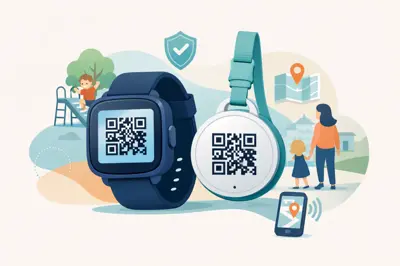
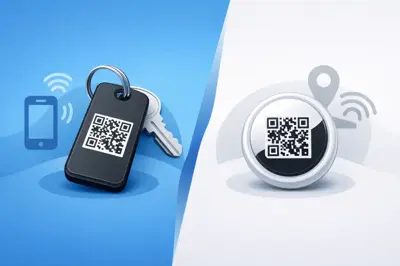
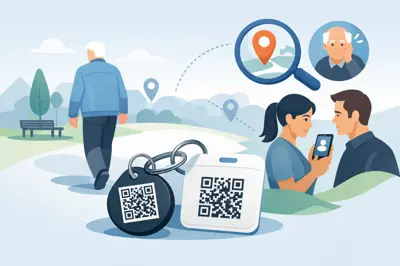
QR-enabled safety tags have become a stronger option because they bridge both needs. Instead of printing private contact details on the outside, the tag gives a finder or responder a simple way to connect with the family. Done well, this can be faster than relying on school records, especially outside school grounds at sport, on public transport or during after-school activities.
Not all QR tags are equal, though. Some only open a static web page. Others rely on extra software, which adds delay. The better versions are built for direct action, so a scan leads straight to useful contact options without exposing the family’s mobile number on the tag itself.
Best safety tags for school children by use case
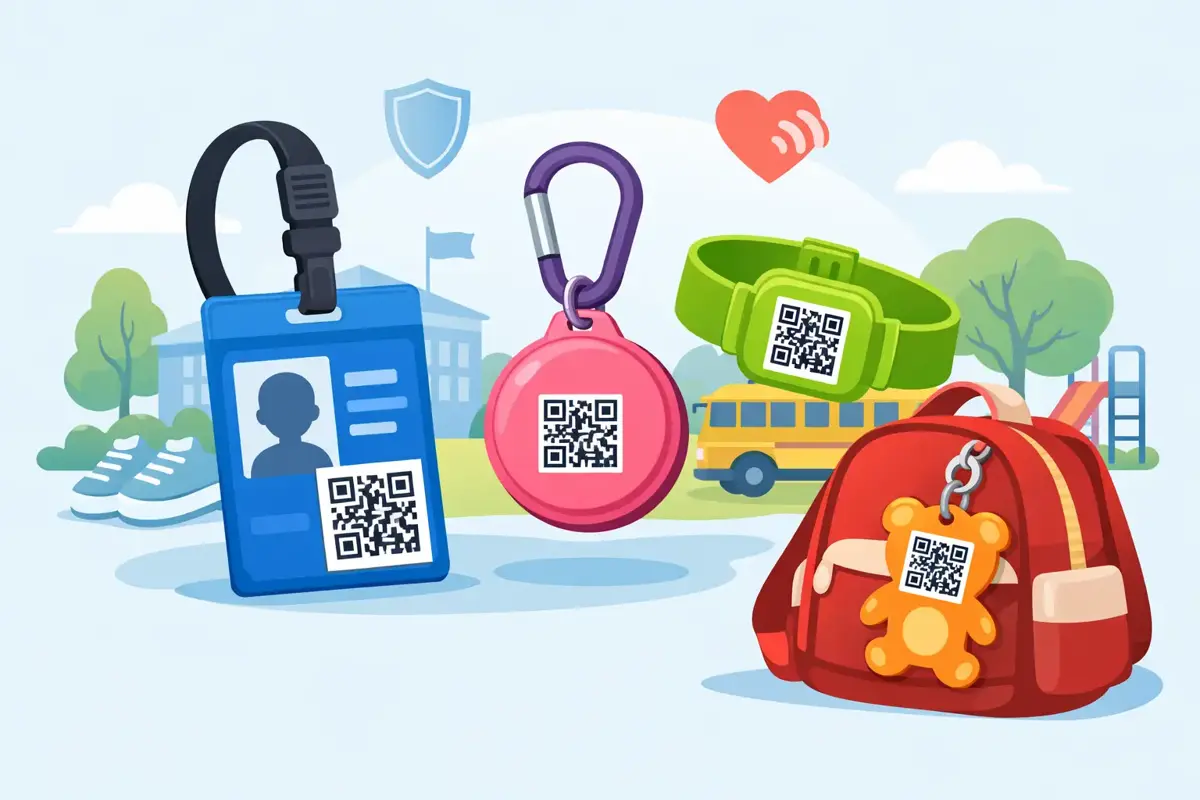
For younger primary school children, bag tags and jacket tags are usually the most practical. They stay with the child through the day and are easy for an adult to spot. If your child is likely to misplace belongings or feel overwhelmed when separated from a group, a clearly visible tag on a school bag is often the strongest first line of protection.
For children who walk, ride or catch public transport, wearable tags can make more sense. A tag attached to a zip pull, keyring, shoe loop or lanyard stays closer to the child even if the bag is left behind. This matters if the concern is not just lost property, but a child needing help away from their belongings.
For children with medical needs, the best setup is often a combination. A visible medical alert communicates something urgent at a glance, while a contact-enabled safety tag helps a teacher, coach or passer-by reach the right adult immediately. One tag does not have to carry every job on its own.
For high school students, privacy becomes even more important. Teenagers may resist anything that feels childish or overly revealing. A low-profile QR tag on a keychain, laptop sleeve or bag can be a better fit because it supports safety without broadcasting personal information. If a child will not use the tag, even the smartest product fails.
What to look for before you buy
Start with how the tag will actually be used. A tag for a prep student has different demands from one for a Year 10 student commuting across town. Ask yourself where your child spends time unsupervised, what they are likely to lose, and who would be most likely to help if something went wrong.
Then check the material. School tags need to handle heat, rain and rough treatment. Waterproof finishes, fade-resistant printing and secure attachment points are worth paying for because reliability matters more than novelty.
Privacy settings deserve close attention. If the tag displays too much information, it creates one risk while trying to solve another. The safer design is one that lets a responsible adult make contact without publishing your family’s details on the outside.
Ease of setup is another practical point. If activation takes too long, families put it off. If updating contacts is complicated, information becomes outdated. The best systems are simple enough to set up in minutes and easy to update when carers, emergency contacts or routines change.
Finally, think about what happens after the scan. A scan should not lead to confusion. It should provide a direct, clear path to contact or emergency information. That response flow is what turns a tag from a nice idea into a working safety tool.
Why privacy-first tags are becoming the smarter choice
Parents are more aware now that public-facing information can travel far beyond its original purpose. A school bag sits in a classroom, on a bus seat, at training and in lost property. If a child’s full details are printed on the outside, you lose control of who sees them.
A privacy-first tag changes that equation. It still helps the right person take action, but it avoids turning personal contact information into a public label. That is a better fit for how families balance safety and security today.
This is where a well-designed QR contact tag stands out. When someone scans it, they can reach the parent or nominated contact quickly, but the child’s private details do not have to be permanently visible. For many families, that is the sweet spot between readiness and caution.
One example is ContactMeTag, which uses QR-enabled tags designed for immediate contact without requiring an app from the person scanning. That matters in a real situation because every extra step lowers the chance of action.
A simple setup that works at school speed
The best tag in the world is no help if it is not active, attached properly or linked to the right contacts. Before the school term starts, take a few minutes to set it up properly. Add the most reliable contacts first, not just the most obvious ones. If one parent works underground, flies often or cannot answer during certain hours, include another trusted adult.
Attach the tag somewhere easy to find. The outside of a school bag, lunch bag, keyring or helmet is better than an inside pocket no one will check. If your child has a medical condition, place that information where it can be noticed quickly.
It also helps to explain the tag to your child in plain language. They do not need a lecture. They just need to know that if they are lost, hurt or worried, the tag helps a safe adult contact home. Familiarity increases the odds that your child will keep using it.
A safety tag is a small thing, but small things matter when time is tight and stress is high. The right one gives a teacher, coach, bus driver or stranger with good intentions a clear next step. And for parents, that is often the difference between a long, frightening wait and a fast call that says your child is safe.