Privacy First Safety Technology That Responds
By ContactMeTag · · 7 min read
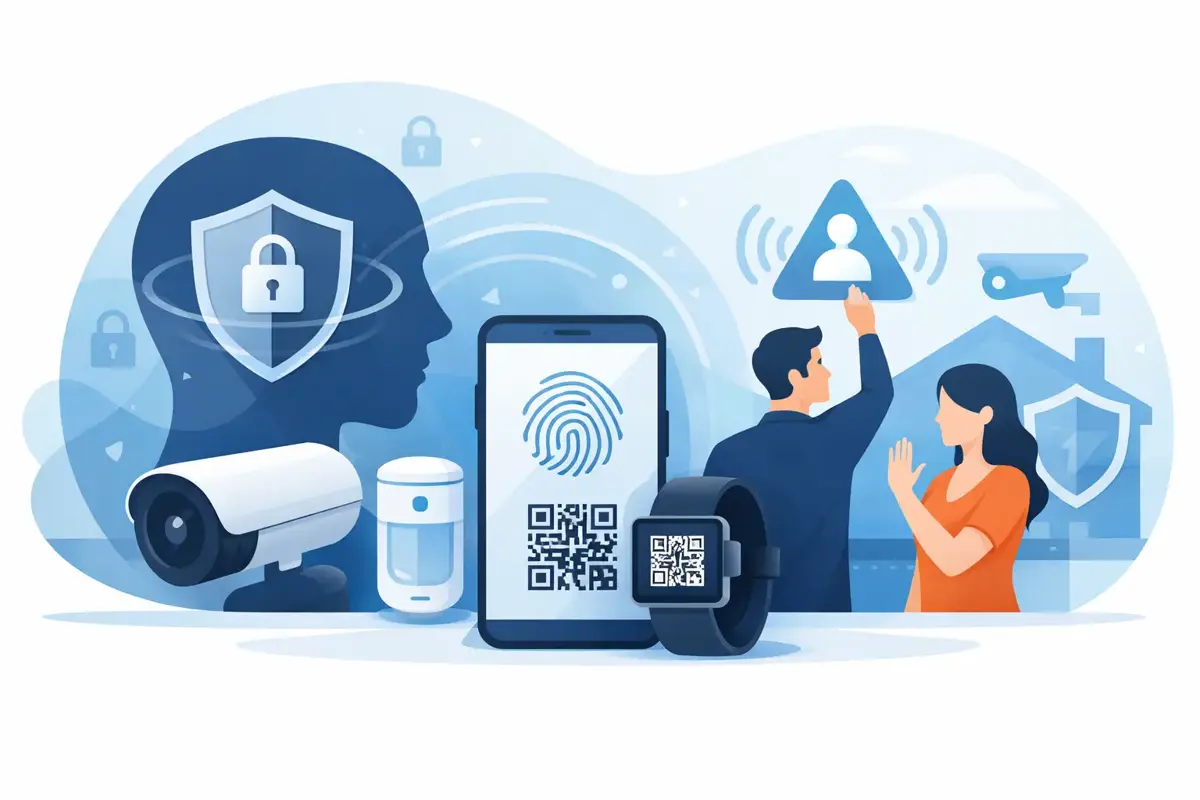
A phone number printed on a helmet, luggage tag or front gate may look practical until it is shared, photographed or used for the wrong reason. Privacy first safety technology takes a better approach: it gives the right person a way to make contact when it matters, without putting your personal number on public display.
That difference matters most in the moments nobody plans for. A cyclist is unconscious after a fall. A child has become separated from their family at a busy event. A wallet is found in a car park. A neighbour notices something unusual at a holiday home. In each case, the person trying to help needs a fast, simple path to the right contact. They do not need to download an app, create an account or search through paperwork.
A QR safety tag makes that path visible. A quick scan can open a secure contact page, allowing a Good Samaritan, finder or emergency responder to call or message the owner or nominated emergency contacts. The important part is what stays hidden: private mobile numbers do not need to appear on the tag itself.
What privacy first safety technology does differently
Safety products have often forced people to choose between being reachable and keeping their details private. A traditional engraved tag can show a name, address, medical condition or phone number to anyone who sees it. That may be useful in an emergency, but it also creates an open invitation for unwanted contact and unnecessary exposure.
Privacy-first design changes the model. The physical tag contains a unique QR code rather than a printed phone number. When someone scans it with their mobile camera, they are guided to a secure page built for action. They can make contact without needing access to the private information behind the code.
This is more than a technical feature. It is a practical safeguard for families, travellers, drivers and carers who need help to be available without making their personal details public. A tag on a school bag can help a finder reach a parent without displaying the parent’s mobile number. A tag on a motorbike helmet can support emergency contact when the rider cannot speak. A tag on luggage can help it find its way home without advertising where its owner lives.
The technology should also be simple enough to work under pressure. If a person has found a set of keys outside a café, they are unlikely to install a new app or follow a long set of instructions. They need to scan, choose a contact option and act. Every extra step risks turning a helpful moment into a missed opportunity.
When a scan can make a real difference
The strongest safety tools are not reserved for dramatic emergencies. They support everyday recovery as well as urgent contact, because both situations benefit from speed and privacy.
For drivers, a QR tag on a vehicle can provide a direct route to the owner if a car has been bumped, a light has been left on or access is required in a shared driveway. It can be particularly useful for work vehicles, caravans and utes parked at events or worksites. The person scanning does not need to know who owns the vehicle. They simply need a clear way to reach them.
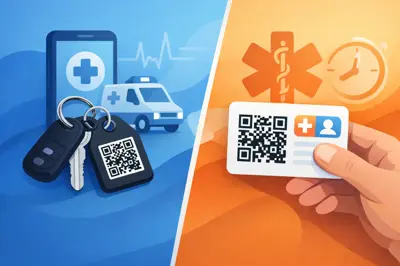
For riders and cyclists, a tag on a helmet or bike can provide nominated emergency contact access following an accident. Medical details should always be considered carefully. Some people may choose to share essential information, such as a serious allergy or a condition relevant to first responders, while others may prefer to keep the profile limited to emergency contact options. The right level of information depends on the individual and the risk involved.
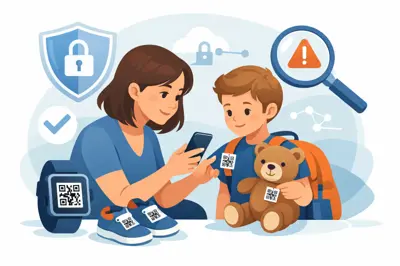
Parents can use QR tags on bags, lunchboxes, jackets and keyrings. A child who is lost or separated from a group may not remember a phone number, especially when upset. A visible code gives a responsible adult a straightforward way to contact a parent or carer. It is not a replacement for supervision or teaching children what to do if lost. It is an extra layer of preparedness when a familiar plan breaks down.
For older Australians and people living with dementia, wearable or bag tags can support faster family contact if someone becomes disoriented. The aim is not to label a person publicly with sensitive information. It is to help a finder reach someone who knows what to do next.
Lost belongings are another clear use case. Wallets, laptops, luggage and keys are often recovered by honest people who have no safe way to identify or contact the owner. Writing an address on a luggage tag can create privacy concerns. Relying on a social media post may be slow and uncertain. A QR tag turns that awkward gap into a direct, controlled contact route.
Privacy is not the same as hiding everything
A common misunderstanding is that privacy means making contact impossible. Good privacy design does the opposite. It shares only what is necessary, when it is necessary, with the person who is trying to help.
That calls for sensible choices during setup. Start with the contacts who genuinely need to be reached. For many people, that means their own mobile plus one or two trusted emergency contacts. A parent might nominate a partner and grandparent. A solo traveller may add a friend at home. A holiday-home owner may include a local property manager as well as their own details.
Review these contacts regularly. A safety tag is only as useful as the details behind it. If a mobile number changes, an emergency contact moves overseas or a child starts managing their own belongings, update the profile promptly. This is one advantage of a digital contact-routing system over permanently engraved details: the tag can stay in place while the contact information changes online.
It also pays to think about where a tag is placed. It needs to be easy to find, but not likely to be damaged or overlooked. Put a vehicle tag where someone handling an incident can see it. Place a luggage tag on the outside where it remains visible. For a wallet, choose a position that can be noticed by the person who finds it. On a helmet, keep the code clear of vents, sharp curves and areas likely to wear heavily.
What to look for in a QR safety tag
Not every QR code product is designed for urgent, real-world use. A promotional QR code may send someone to a website, menu or social profile. A safety QR code should be purpose-built around contact and recovery.
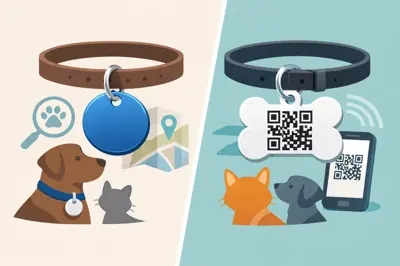
Look for a tag that is weatherproof and durable enough for its setting. A vehicle, bike, pet collar or outdoor gate faces sun, rain, grit and regular handling. The code must remain clear enough to scan when it is needed, not only when it is new.
The scanning experience matters just as much. It should work with a standard mobile camera, without the finder needing an app. Calls and messages should be easy for the scanner to initiate, and the process should not ask them to hand over unnecessary personal information. In urgent circumstances, familiarity wins. Most people already know how to point a camera at a QR code.
Consider whether the service allows contacts to be managed over time and whether private numbers are masked during communication. Lifetime service can be valuable for items you expect to keep for years, such as a helmet, vehicle, suitcase or house key. It avoids turning a simple safety measure into another subscription to remember.
Australian-made physical tags can also make sense when the product is intended for Australian conditions. Heat, rain, beach trips, dusty roads and school-bag treatment are all ordinary parts of life here. The tag should be built for use, not just for display.
Set it up before you need it
The best time to activate a safety tag is a calm evening at home, not after a mishap. Set up the online profile, add your preferred contacts and test the scan from another mobile. Check that the contact options are clear and that your nominated people know they may receive a call or message through the tag.
If you are setting up tags for children, older relatives or a shared household, involve the people who will need to respond. Agree on what should happen if a tag is scanned. A parent may want a simple call first. A carer may want to be contacted alongside a family member. A property owner may prefer a local keyholder to respond to an access issue.
ContactMeTag is designed around this practical idea: when you cannot speak, your QR code speaks. The tag does not replace emergency services, medical identification, secure locks or common sense. It gives helpful people a faster way to reach the right person when the ordinary details are missing.
Preparedness does not have to mean carrying complicated gear or sharing your life with strangers. A small, durable code placed on the things and people that matter can give someone a clear next step at exactly the moment they want to help. Every scan counts.