Privacy First Contact Routing for Everyday Safety
By ContactMeTag · · 6 min read
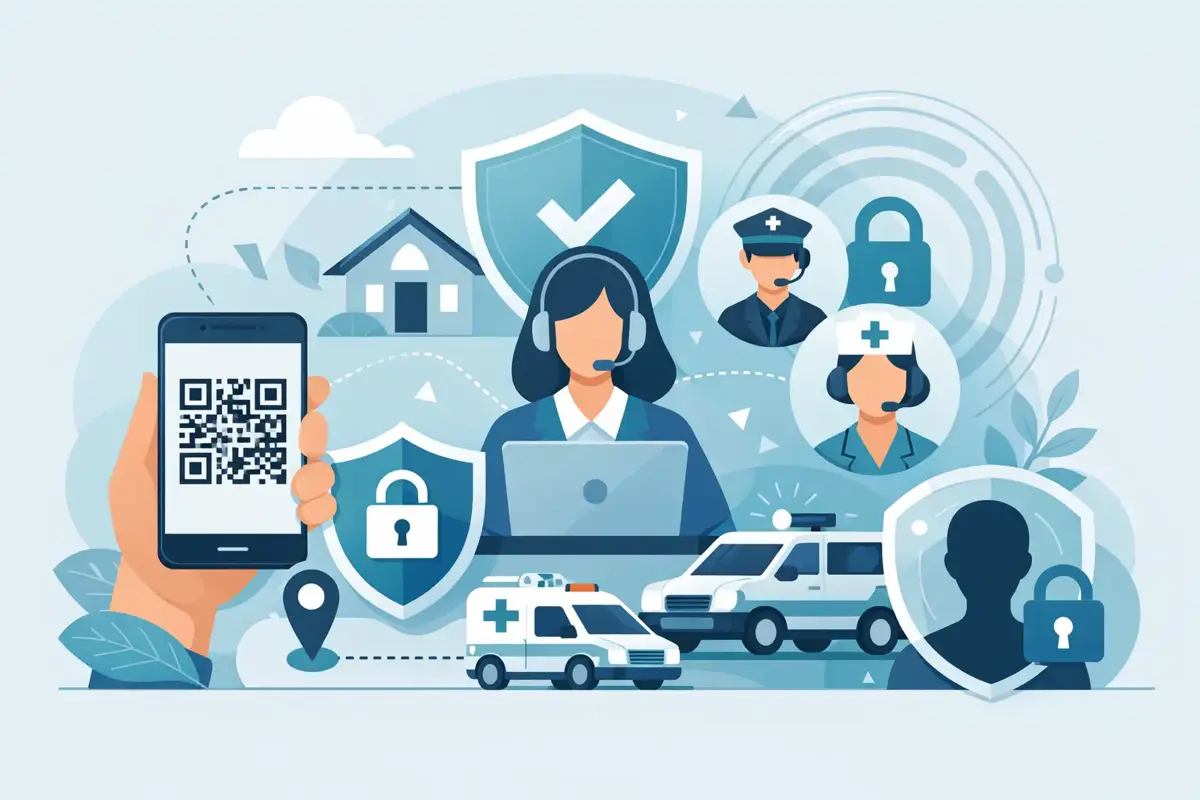
A phone number printed on a helmet, luggage tag or vehicle sticker solves one problem and creates another. It gives a stranger a way to contact you, but it also leaves your personal number visible to anyone who walks past, takes a photo or decides to misuse it. Privacy first contact routing gives people a safer option: they can reach the right person immediately, without seeing the private number behind the connection.
That matters most when time is short. A rider is down at the side of the road. A child has become separated from their group. A pet has slipped its lead. A wallet is found near a café, or a neighbour notices something wrong at an empty holiday home. In each case, the person trying to help should not need an app, an account or a lesson in technology. They need one clear action that gets a message or call through.
What is privacy first contact routing?
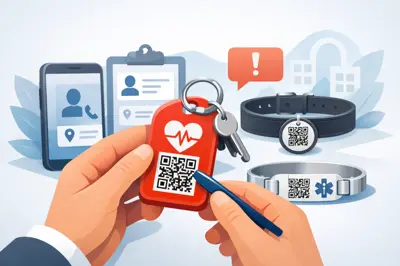
Privacy first contact routing is a way of connecting a scanner with a tag owner, or their nominated emergency contacts, while keeping personal contact details hidden. A QR code on a physical tag directs the scanner to a secure contact page. From there, they can call or send a message without being shown the owner's mobile number.
The difference is simple but significant. A traditional tag displays information publicly. A privacy-first QR tag makes contact available when it is needed, while controlling what information is exposed. The owner decides which contacts are active, who should be contacted first and what emergency information, if any, is appropriate to share.
For Australian families, this is a practical middle ground between being unreachable and putting too much personal information into public view. Your contact pathway is ready for a real person to use, but your number is not printed on the outside of your property, gear or belongings.
Why public contact details can create a safety risk
It can feel sensible to write a mobile number directly on a child's bag, a dog collar or a keyring. Often, it is better than having no contact method at all. But a visible number can be copied, stored, shared or used long after the original situation has passed.
That risk looks different depending on the item. A vehicle tag may be visible in a car park every day. A school bag can travel on buses, to sport and to after-school care. Luggage moves through airports, hotels and rideshares. A keyring can reveal that the person linked to it may be away from home.
Privacy-first routing does not remove the need for sensible judgement. You should still avoid putting detailed medical records, home access instructions or sensitive personal information where anyone can see it. What it does provide is a safer contact layer: helpful information can be made available to a genuine scanner, while direct phone numbers remain masked.
When quick contact matters more than perfect information
In an emergency, the first person on the scene may not know you. They may be a passer-by, another driver, a coach, a neighbour or a member of the public. They are unlikely to know where to look for paperwork, and they should not have to download an app before helping.
A QR tag gives them an obvious next step. They scan using the camera already on their mobile, open the contact page and choose the available contact option. Calls and messages should be free for the scanner, because a person trying to help should never be held back by a paywall or complicated process.
This is particularly useful when the tag owner cannot speak for themselves. After a cycling crash, a medical episode or an accident on the road, emergency contacts may be able to provide crucial context or simply let worried family members know what has happened. When you can't speak, your QR code speaks.
There are everyday uses too. A finder can report a lost laptop before it is taken home. Someone can return keys dropped near the footpath. A traveller can be contacted when luggage is left behind. A property tag can help a neighbour reach the right person if a gate is open, an alarm is sounding or storm damage is visible.
How the contact path should work
The best system is built for a stressed person, not for a perfect demonstration. It should take only moments to understand. With ContactMeTag, the physical QR tag is linked online to the contacts you choose. When someone scans it, they are guided to a contact option rather than being handed your private number.
The owner remains in control. You can nominate yourself, a partner, a parent, a carer or another trusted contact. That flexibility matters because the best person to call is not always the person who owns the item. A child’s school bag may need to contact a parent. An older person's wearable tag may need to reach a carer. A motorcyclist might nominate a partner first, then another emergency contact if the first person cannot answer.
Set-up should also be straightforward. Register the tag online, add the right contacts, check that the details are current and place the tag where it can be seen and scanned. For a vehicle, that may be a visible exterior location suited to the tag. For luggage, attach it securely where a finder will notice it. For a helmet or wearable item, choose a position that remains accessible without getting in the way.
Privacy first contact routing is not the same for every tag
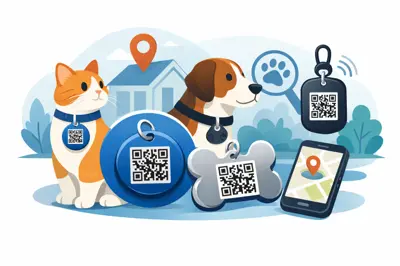
The principle stays the same, but the information and contact order should match the risk. A wallet tag is mainly about return and recovery. A medical or dementia-care tag may need a clearer emergency contact path. A pet tag should help a finder quickly tell you where the animal is, without exposing your mobile number on the collar.
For children, keep the setup focused. The aim is to help a responsible adult contact a parent or guardian quickly, not to put a child's full personal details in public view. For travellers, consider adding more than one contact in case time zones, flights or poor reception make the first person hard to reach.
For vehicles and motorcycles, think about the reality of a crash or breakdown. Emergency contacts should know whose tag is involved, and you should choose people who are likely to answer. If your nominated contact is often in meetings, drives for work or lives overseas, add a reliable second option.
The trade-off: privacy still needs usability
A privacy-first system should not become so locked down that a Good Samaritan cannot help. If the contact page is confusing, if the QR code is too small, or if the nominated details are out of date, the benefit is lost. Privacy works best when it sits behind a simple, obvious action.
There is also no substitute for emergency services. A QR contact tag is not a medical alert device, a replacement for calling Triple Zero (000), or a guarantee that a scanner will be available. In a serious emergency, call 000 first. The tag can support faster family contact and provide another way for people nearby to act, but it should sit alongside your broader safety plan.
Check your setup after major life changes. Update contacts after a new mobile number, separation, move, change of carer or change in a child's school routine. Review it before a road trip or overseas holiday. A tag lasts through daily wear, but the information behind it needs your attention.
A small tag can make the first minute count
Preparedness is not about expecting the worst every day. It is about removing friction when something unexpected happens. A weatherproof QR tag on the right item gives a finder, responder or neighbour a clear way to act without asking you to publish your mobile number to the world.
Choose the contacts who will answer, place the tag where it can be seen and keep the details current. Then, if a stranger ever needs to help, they can focus on the one thing that matters most: getting the right person involved quickly.