A Guide to Private Emergency Communication
By ContactMeTag · · 6 min read
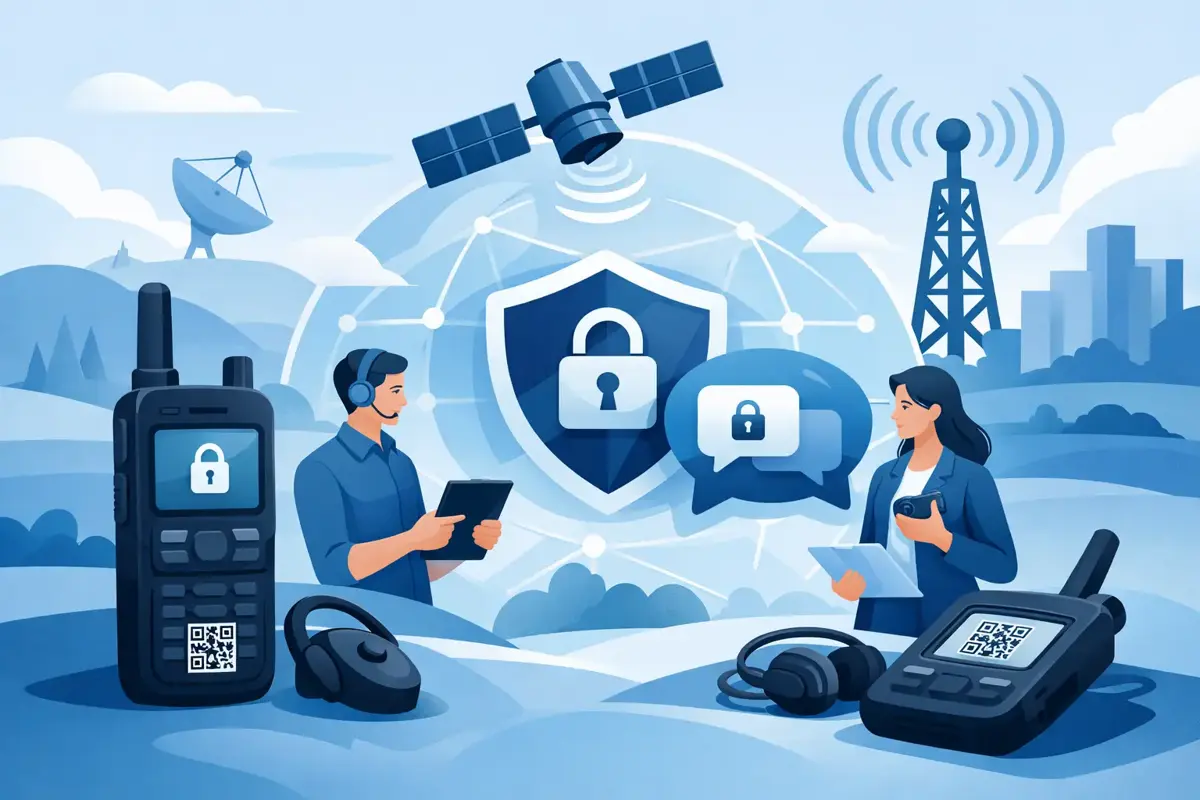
A roadside crash, a missing school bag or a confused loved one can turn into a stressful delay when the person who finds them has no safe way to make contact. This guide to private emergency communication is about closing that gap: making it easy for the right person to be reached quickly, without printing your mobile number, address or medical details where anyone can see them.
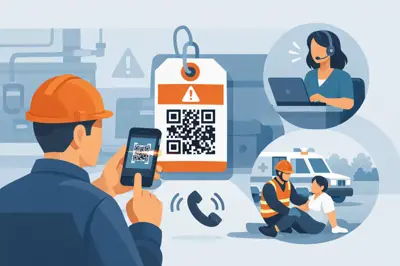
Private emergency communication is not about replacing Triple Zero in a life-threatening emergency. It is about giving a responder, Good Samaritan or finder a clear next step when they need to reach you or someone you trust. When you cannot speak, your QR code speaks.
What private emergency communication should do
A practical system has one job: reduce the time between a problem being noticed and the right person being contacted. It should work whether your vehicle is blocking a driveway, your dog has slipped its lead, your wallet has been left in a café, or you are unable to explain who to call after an accident.
The challenge is privacy. A phone number on a luggage tag or helmet sticker may be convenient, but it is also visible to every stranger who walks past. Once a number is printed, it can be photographed, copied or used for unwanted calls. A public QR code that reveals too much information creates a different version of the same problem.
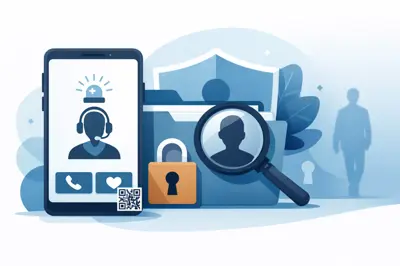
A privacy-first approach keeps personal details behind the scan. The person scanning sees a simple way to call or message the owner or nominated contacts. They do not need an app, an account or your private mobile number. The aim is immediate action with less exposure.
The guide to private emergency communication in real life
The most useful setup depends on what you are protecting and who may need to act. Start by thinking about the likely moment of need, not the technology. Who would find the item or person? What would they need to know? Who is best placed to respond?
For a car, ute or motorcycle, the likely scenario may be a parking issue, breakdown, accident or a worried passer-by noticing damage. A visible QR emergency tag gives them a direct way to reach you without leaving your phone number on the windscreen. For helmets and bikes, it can help responders contact a family member if the rider cannot use their mobile.
For children, a discreet tag on a school bag, keyring or jacket can help a trusted adult contact a parent quickly if a child is separated from the group. The information shown after scanning should remain simple and appropriate. The finder needs a contact path, not a full profile of the child.
For older Australians, including people living with dementia, a wearable or bag tag can create a calm next step when someone becomes disoriented. A nominated family member or carer can be contacted without displaying private details that may put the person at risk. It does not replace a care plan or supervision, but it can make an unexpected separation easier to manage.
Travellers and pet owners face a different version of the same issue. Lost luggage can move through airports, hotels and taxis quickly. A pet may be found by someone who wants to help but cannot safely house it for long. In both cases, the value is in removing friction. Scan, call or message, and let the owner know where to start looking.
Choose contact details that work under pressure
The contact list matters more than most people expect. A tag is only as useful as the person who answers it. Choose one primary contact who is likely to pick up or respond promptly, then add trusted backups where the platform allows it.
Avoid relying on a single person who is frequently in meetings, works shifts without access to a mobile, or travels overseas. For a child, an older relative or a medical use case, it is sensible to include at least two adults who understand the situation and can act. Tell them they have been nominated, and make sure they know what the tag is attached to.
Keep the message practical. If your pet goes missing, a contact needs to know its name, temperament and whether it needs medication. If the tag is on a vehicle, they need to know where spare keys are kept or who can move it if you cannot. If it is worn for a medical reason, emergency services should still be contacted for urgent care. Your private communication system supports that response; it should never delay it.
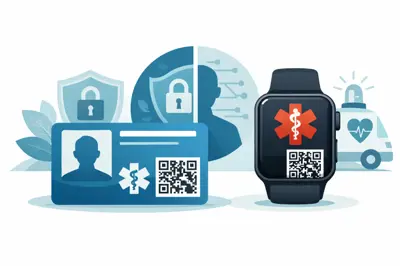
There is a trade-off between useful information and over-sharing. A finder may benefit from knowing that a person has a severe allergy or requires a carer, but detailed medical histories, home addresses and personal identification numbers do not belong on a publicly accessible page. Share only what helps someone take the next safe action.
Set up for the person who scans
A good QR tag should be placed where it can be found in seconds. Put vehicle tags where a driver or passer-by can see them safely. Attach bag or luggage tags to an obvious external point. For a helmet, choose a clean, visible area that does not interfere with safety equipment or manufacturer instructions. For wearable tags, make sure they are comfortable enough to be worn every day.
Test the scan yourself before you rely on it. Use a friend’s mobile as well as your own, check that calls and messages reach the right people, and confirm the tag is readable in ordinary light. QR scanning is built into most modern mobile cameras, but a code that is hidden, scratched or covered by a bulky accessory cannot help when it counts.
ContactMeTag is designed around this simple experience: scan the physical tag, then reach the owner or nominated contact through a privacy-protected route. The scanner does not need to download anything, and your personal phone number stays masked.
Keep your emergency details current
Emergency contact information can become outdated quietly. A new mobile number, a changed school routine, a separated family arrangement or a different medication can leave an otherwise good plan with a weak point.
Set a reminder every few months to check your contacts, especially before a long road trip, overseas holiday, school camp or move. Ask each nominated person whether their number is current and whether they are still comfortable being the contact. If a tag is transferred to another vehicle, pet or family member, update its details straight away.
Also check the physical tag. Australian conditions are hard on everyday gear. Heat, salt air, rain, dust, sunscreen and constant handling can wear down cheap labels. A weatherproof tag is worth considering for vehicles, helmets, outdoor gear and pet collars, but it still needs an occasional visual check.
Have a plan for different levels of urgency
Not every scan is an emergency, and that is a good thing. Someone may use your tag to tell you that a car light has been left on, a bag has been handed in, or a pet has wandered into their yard. The same private contact route can handle everyday mishaps before they become bigger problems.
For a serious incident, the order is clear: call Triple Zero first if someone needs urgent police, fire or ambulance help. A QR tag can then help responders or bystanders notify family, identify a carer or explain how to reach the right person. It provides an extra line of communication when the owner cannot answer questions themselves.
This is why a private system is more useful than simply writing a number on a sticker. It allows people to help without asking them to expose, save or guess at sensitive information. It also gives your household one consistent approach across cars, backpacks, keys, pets and travel gear.
Preparedness does not need to be complicated. Put a clear way to make contact on the things and people that matter, protect the details behind it, and make sure somebody will answer when a stranger is trying to do the right thing.