Pet Contact Tags That Help Them Get Home
By ContactMeTag · · 6 min read
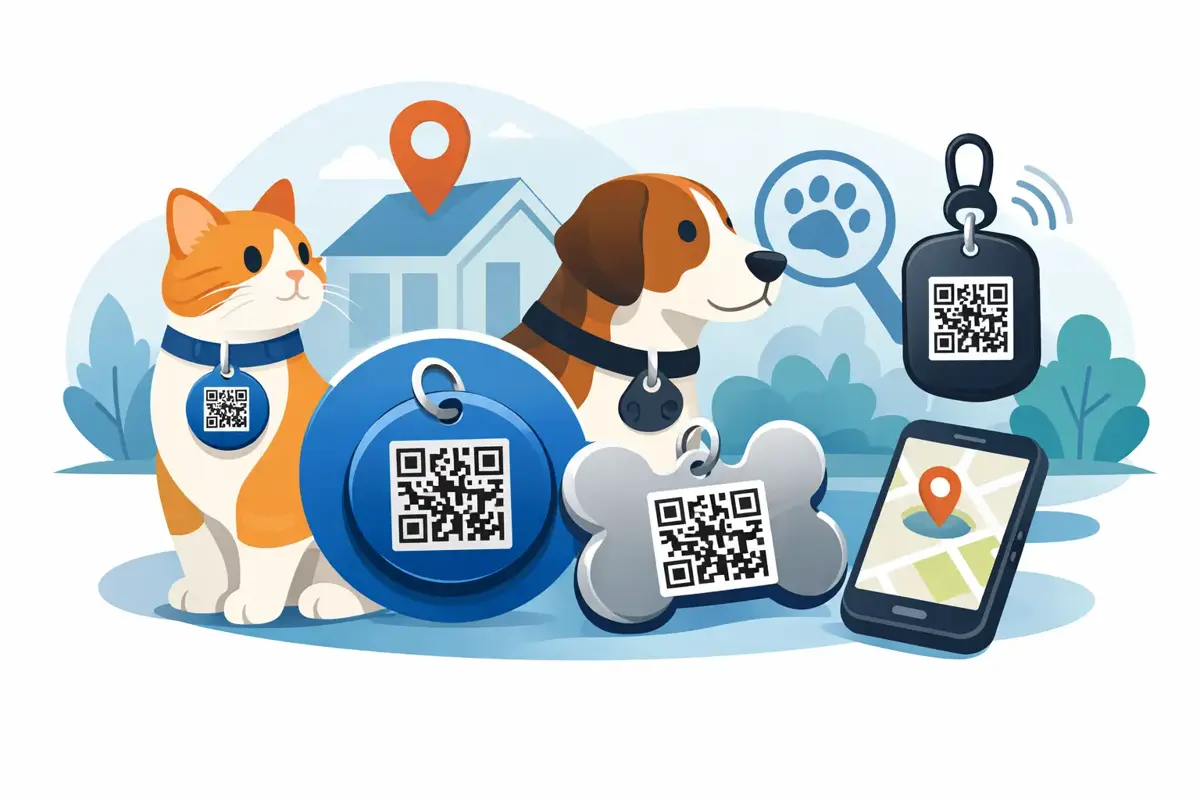
A dog can slip through an open gate in seconds. A cat can wander further than usual after a storm, a move or a fright. In that moment, pet contact tags turn a worried stranger into the person who can help get your pet home. The right tag makes it easy for someone to act straight away, without putting your personal mobile number on public display.
A collar tag may seem like a small detail, but it can make a major difference in the first few minutes after a pet is found. Microchips are essential, yet they generally need a vet, council ranger or shelter with a scanner to be read. A visible contact tag gives a Good Samaritan a way to reach you where they found your pet - at the park, near a busy road, outside a neighbour’s place or on the footpath.
Why a fast contact method matters
When someone finds a loose pet, they are often trying to help while managing a stressful situation. Your dog may be frightened and pulling on the lead. Your cat may be hiding under their ute. The finder may have only a short window before they need to leave for work or school pickup.
A clear, working contact method removes uncertainty. Rather than posting a photo to a local social group and hoping it reaches you, the finder can make contact directly. You can confirm your pet’s name, describe any medical needs, explain how they respond to strangers and arrange the safest place to collect them.
That speed matters most near traffic, in unfamiliar areas and during extreme weather. It also matters for pets that are older, anxious or on medication. The aim is simple: make the next safe step obvious to the person who has found them.
Traditional tags and QR pet contact tags
Traditional engraved tags still have a place. They are familiar, simple and do not rely on a mobile camera. A pet’s name and a contact number can be enough when the engraving remains readable and the number is current.
The drawback is privacy. A phone number printed on a tag is visible to anyone who comes close to your pet. It can also be difficult to fit useful details on a small disc, especially if you want to include two contacts, medication information or a note that your pet is nervous.
QR pet contact tags offer a different approach. A finder scans the code with their mobile camera and is taken to a contact page. They can call or message you, or another nominated contact, without seeing the private number behind it. No app needs to be downloaded, and the person scanning should not have to create an account just to help.
This format gives you more flexibility. If your mobile number changes, you update the details online rather than replacing every tag. If you are travelling, in a meeting or temporarily out of range, you can nominate another person who knows your pet and can respond. The tag stays on the collar, while the contact details can change when life does.
There is a trade-off. A QR tag relies on the finder having a smartphone and choosing to scan it. For that reason, the most practical setup for many households is a clearly labelled QR tag with a short instruction such as “Scan to contact owner”. If space allows, pairing it with a pet name or a backup contact option can add reassurance.
What to look for in a pet contact tag
A contact tag needs to work outdoors, not just look good on the day it arrives. Pets swim, roll in wet grass, push through scrub and shake their collars constantly. A flimsy tag or weak split ring can disappear when it is needed most.
Choose a tag made for weather, scratches and regular movement. The code should have strong contrast and remain easy to scan after everyday wear. A flat, well-finished design is also kinder to your pet than a heavy tag with sharp edges or loose pieces that clatter against a bowl.
Privacy deserves the same attention as durability. A QR service should let a finder reach you without revealing your mobile number. It should also allow you to manage more than one contact, because the person who answers fastest is not always the owner. For family pets, consider adding a partner, adult child, trusted neighbour or pet sitter as a backup.
Look for a service that is simple to set up and simple for the finder to use. If your pet is missing, you do not want a complicated dashboard or a process that asks a stranger to download software. ContactMeTag is designed around this practical moment: scan, choose a contact method, and get in touch.
Set your tag up before your pet needs it
A tag is only as useful as the details connected to it. Take a few minutes to activate it as soon as it arrives, then test it with another person’s phone. Do not assume it works just because the code is visible.
Start with the mobile number you are most likely to answer. Add at least one backup contact who is comfortable responding if your pet is found. Tell them they have been nominated and make sure they know your pet’s name, suburb and any handling needs.
Keep the information practical. A finder does not need your full address on a public page. They need a safe way to reach someone who can arrange collection. If your pet is fearful, reactive, elderly, deaf or requires medication, include a short instruction that helps the finder keep them safe while waiting for you. For example, “Nervous around strangers - please keep on lead and call owner” is more useful than a long explanation.
Recheck the tag after major changes: a new mobile number, a house move, a change in pet sitter, or a new medication routine. It is also worth scanning it every few months, particularly after beach trips, bushwalks or a season of muddy dog parks.
Where and how to attach it
Attach the tag to your pet’s everyday collar, not only to a lead or a harness used for walks. Pets can slip a harness or escape from a yard without their usual walking gear. The collar should be fitted correctly and include the identification required for your state or local council area.
Use a strong ring or attachment point and check it regularly. If your dog pulls hard, plays roughly with other dogs or swims often, inspect the tag during your usual grooming routine. Make sure it has not become hidden behind other tags, flipped backwards or worn so smooth that the scanning instruction is difficult to read.
For cats, choose a lightweight option and use a collar that is appropriate for their safety. Breakaway collars can reduce the risk of snagging, but they can also come off. That does not mean identification is pointless - it means microchip details, council registration where required, and a visible tag should work together rather than relying on one measure alone.
Prepare for the real-life scenarios
The best pet recovery plan is layered. Keep your microchip details current, comply with local registration requirements, use a visible contact tag and keep recent photos of your pet on your mobile. Each layer helps at a different point.
A microchip helps when a pet reaches a professional scanner. A tag helps the neighbour who spots them before that happens. Recent photos help when you need to share a clear description quickly. A familiar call name, favourite treat and a note about fear or reactivity help you give useful instructions when emotions are running high.
If your pet does go missing, act early. Check the immediate area first, alert neighbours, contact local vets and council services, and monitor local lost-pet channels. But if a finder scans your tag, respond calmly and quickly. Confirm where your pet is, ask them to keep the animal safely contained if they can, and give clear collection details. A fast, reassuring reply can make it easier for a stranger to stay involved until you arrive.
Your pet cannot explain where they belong or who to call. A well-chosen contact tag gives them a simple voice when they need it most - and gives the person trying to help a clear way to bring them safely home.