Can Emergency Contacts Be Hidden?
By ContactMeTag · · 7 min read
A stranger finds your child’s school bag at the oval. A rider comes off their bike and can’t unlock their mobile. Your suitcase lands in the wrong city. In all three moments, the same question comes up fast - can emergency contacts be hidden and still be easy to reach when it matters?
The short answer is yes, but only up to a point. Some devices let you show emergency details without unlocking the screen, and some apps or services let people contact you or your nominated person without revealing a private number. But not every option handles privacy well, and not every option works when time is tight.
That matters because an emergency contact system has two jobs. It needs to be visible enough for a helpful stranger, first responder or finder to use immediately. It also needs to protect your personal details from being exposed to anyone who picks up your belongings or scans for information out of curiosity.
Can emergency contacts be hidden on a phone?
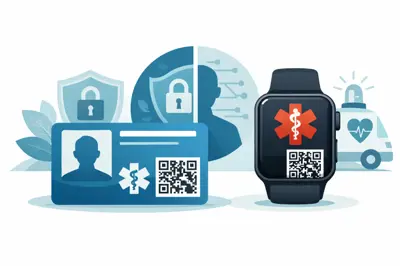
On most smartphones, emergency information can be made accessible from the lock screen. That can include a name, medical notes, allergies and emergency contacts. What many people assume, though, is that "hidden" means fully private. Usually it does not.
If your emergency contact is available from the lock screen, it is not really hidden from view. It is simply separated from the rest of your phone. That is useful in a medical incident, but it also means anyone holding the device may be able to see enough detail to identify you or your family.
The level of exposure depends on the phone model and settings. Some devices show contact names only. Some show numbers. Some allow emergency calling functions without displaying much at all. Others rely on medical ID settings that are only helpful if someone knows where to look.
So if you are asking can emergency contacts be hidden on your mobile, the honest answer is this: they can be partially protected, but they are rarely both hidden and instantly accessible in the same way.
The trade-off between privacy and speed
This is where many households get stuck. If you lock everything down, a bystander may have no way to reach the right person. If you make everything visible, your private contact details can end up exposed on a lost phone, helmet or bag.
That trade-off matters more than most people realise. In a road accident, a few saved minutes can make a real difference. In a lost-and-found situation, the person who finds your property is far more likely to act if contacting you is quick and obvious. But speed should not come at the cost of publishing your partner’s mobile number on a screen or tag for anyone to see.
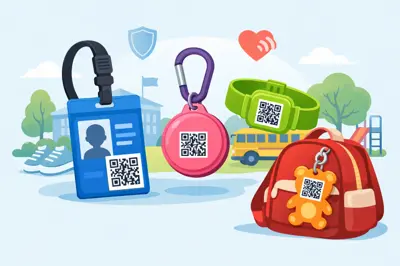
For parents, carers and travellers, that balance is even more sensitive. You may want a child’s school bag to be identifiable if it is misplaced, but you probably do not want personal family numbers printed in plain sight. You may want a pet tag that gets your dog home quickly, without advertising your number to every passer-by at the park.
Where standard emergency contact options fall short
Built-in phone features are useful, but they have limits in the real world. First, they depend on the phone being present, charged and intact. If the battery is flat, the screen is smashed, or the mobile is out of reach after a crash, those emergency details may as well not exist.
Second, they are not always obvious. A Good Samaritan might know to tap through to medical information on a lock screen, but many people will not. In a stressful moment, even simple steps can be missed.
Third, traditional emergency contact labels often reveal more than they should. A printed card in a wallet, a note inside a school bag, or a visible lock-screen contact can solve one problem while creating another. You get access, but you lose privacy.
That is why many people start by asking can emergency contacts be hidden, then end up asking a better question: how can someone contact the right person fast without seeing the actual number at all?
A better approach is contact access without number exposure
The safest systems are usually the ones that separate access from visibility. In other words, they let someone reach you or your emergency contacts without publishing those private details on the item itself.
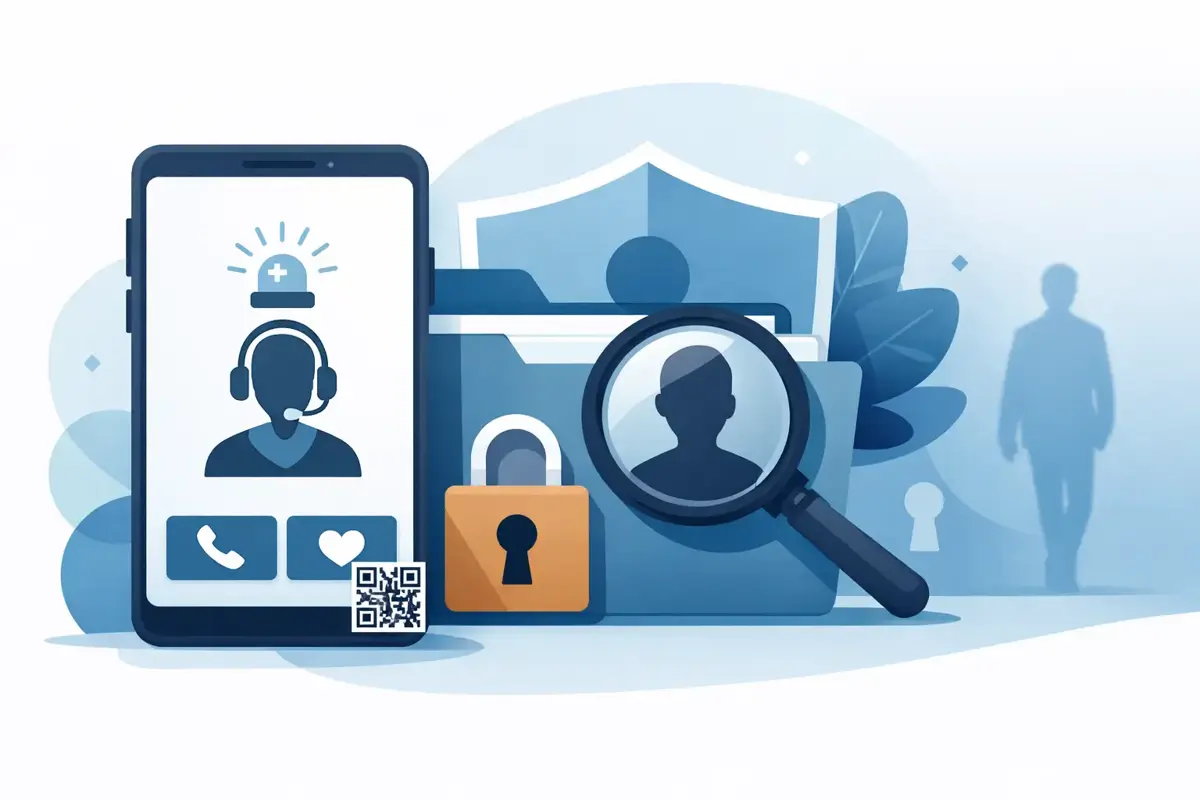
That could mean a digital routing system linked to a QR code. The finder scans the code, follows a simple prompt and makes contact. The tag owner or nominated contact receives the call or message, but the private phone number stays masked.
This approach changes the equation. Instead of choosing between hidden and reachable, you get both. The emergency contact is not displayed openly, but help can still be triggered immediately.
That is especially practical for items and situations where a phone lock screen is not enough - bike helmets, vehicle windows, luggage, keyrings, pet collars, children’s bags and wearable tags. When you cannot speak, or when your belongings are somewhere else, the contact path still exists.
Real-world situations where hidden emergency contacts matter
A lot of privacy decisions sound theoretical until you picture the moment.
If a motorcyclist is unconscious after a collision, a QR tag on the helmet can give bystanders a direct way to alert family or access urgent contact instructions without unlocking a device or searching pockets.
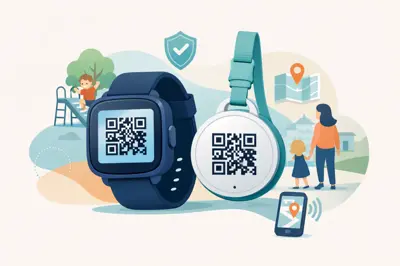
If a child gets separated on a busy day out, a bag tag or wearable tag can help a safe adult make contact quickly, without the child needing to remember a number or carry one in plain view.
If an older person living with dementia wanders, the ability to route a call to a carer without exposing that carer’s mobile number on clothing or belongings is a practical layer of protection.
If luggage is misplaced in transit, a visible contact path on the case works better than hoping airline staff can unlock a device or trace an old paper tag. At the same time, masking your details matters when bags move through a lot of hands.
These are exactly the moments where hidden emergency contact details are not about secrecy. They are about safer communication.
What to look for if privacy is the priority
If you are comparing options, look past the label and focus on what actually happens when someone tries to help.
The first question is whether the system exposes a phone number, email or home address to the public. If it does, that is not privacy-first, no matter how convenient it seems.
The second is whether it works without an app. In urgent situations, extra steps get ignored. A system should be obvious, fast and free for the person scanning or calling.
The third is whether you can update contacts easily. Emergency contacts change. Schools change. Travel plans change. If your information cannot be updated in minutes, it will go out of date when you most need it.
The fourth is whether it works across different use cases. Many households do not need just one solution. They need one for the car, one for a child’s bag, one for the dog, one for luggage and maybe one for a holiday home or spare keys. Consistency matters because it makes setup simpler and everyday use more likely.
Can emergency contacts be hidden and still useful?
Yes - if the system is designed around action, not display.
That distinction matters. A hidden emergency contact that nobody can access is no help at all. A visible emergency contact that gives away private data solves the wrong problem. The useful middle ground is controlled access: a person can do the right thing quickly, but they do not gain open access to your personal details.
For many Australians, that is the practical answer. You do not need more information floating around on a lock screen, key tag or bag label. You need a fast, obvious way for the right person to be reached when something goes wrong.
This is why privacy-first QR contact systems have become so useful across everyday safety scenarios. They are simple enough for a stranger to use in seconds and secure enough to avoid broadcasting your private number. For a family trying to stay prepared without making their details public, that is a genuine improvement over the old options.
ContactMeTag is built around that exact problem. The scan creates a contact pathway straight away, while keeping personal numbers masked. No app, no complicated setup, and no need to choose between being reachable and staying private.
If you have been wondering can emergency contacts be hidden, the better goal is this: make them reachable without making them public. That is the kind of preparedness people actually use when every scan counts.