Medical ID Bracelet vs QR Tag
By ContactMeTag · · 7 min read
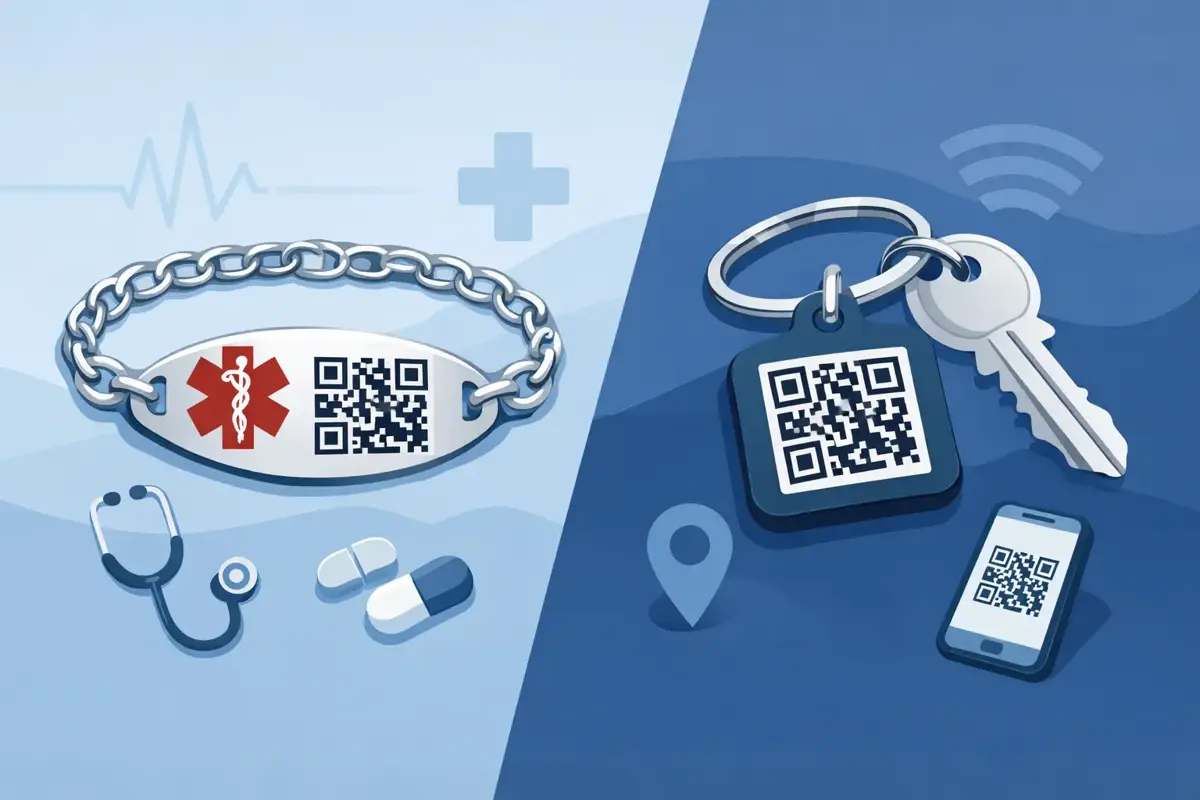
A paramedic checks your wrist first. That simple habit is why the medical id bracelet vs qr tag question matters so much. In a real emergency, the best safety tool is the one someone notices fast, understands instantly and can use without delay.
For many Australians, this is not an either-or decision. A traditional medical ID bracelet still plays a critical role, especially when every second counts and there may be no time to scan anything. A QR tag brings a different strength - more detailed information, easier updates and privacy that does not put your personal mobile number on public display. The right choice depends on your condition, your routine and who may need to help you.
Medical ID bracelet vs QR tag: what is the real difference?
A medical ID bracelet is designed for immediate visual recognition. It sits on the body, usually on the wrist, and signals one thing clearly: this person may have a medical condition, allergy or treatment need that responders should know about right now. It works without a battery, without reception and without any action beyond looking.
A QR tag works differently. Someone scans the code with their mobile and is then shown contact or safety information set up by the owner. Depending on the platform, that can include emergency contacts, condition notes, medication details or instructions on what to do next. It turns a quick scan into a direct path to help.
That distinction matters. A bracelet is about instant visual alerting. A QR tag is about accessible, updateable information and fast communication.
Where a medical ID bracelet still has the edge
If you have a severe allergy, epilepsy, diabetes, a heart condition or take medication that affects urgent treatment, a bracelet has one major advantage - it can be recognised before anyone reaches for a mobile. That matters if you are unconscious, disoriented or unable to speak.
Emergency responders are trained to look for medical jewellery. A bracelet with clear engraving such as anaphylaxis, insulin dependent diabetes or anticoagulants can shape treatment decisions straight away. There is no need for the helper to understand tech, no concern about camera access and no delay caused by low confidence or panic.
Bracelets also suit environments where scanning is less realistic. Think surf lifesaving incidents, remote work sites, bushwalking, or any situation where mud, rain, blood or urgency reduces the chance of someone using a mobile properly. In those moments, plain sight wins.
The trade-off is space. A bracelet cannot hold much information. You are forced to reduce your situation to the few words that matter most. That is often enough for first response, but not always enough for fuller context.
Where a QR tag can do more
A QR tag shines when the person helping you needs more than one line of engraving. It can carry layered information without crowding a tiny metal plate. It can also connect a finder or Good Samaritan to your nominated contacts without exposing private mobile numbers in public.
That privacy point is often overlooked. Traditional engraved IDs can display your name, condition and sometimes a phone number where anyone can see it. For children, travellers, older Australians, and people managing sensitive health issues, that can feel too exposed. A QR-based setup allows urgent contact while keeping personal details protected.
Updates are another clear advantage. If your medication changes, your emergency contact changes, or your allergy list grows, a bracelet may need re-engraving or replacing. A QR tag can usually be updated online in minutes. That makes it practical for families, carers and anyone whose situation is likely to change.
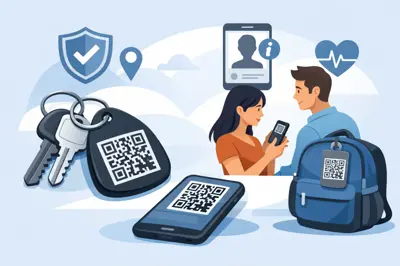
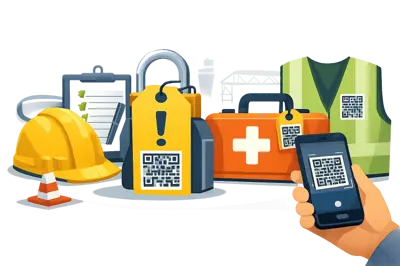
This is also where a broader safety system becomes useful. A wearable QR tag can support medical needs, but similar tags can also be placed on helmets, keyrings, bags, wallets or vehicles. That means the same contact logic can help in an accident, a lost-item situation or a welfare check.
The weak points of each option
Neither option is perfect, and pretending otherwise is not helpful.
A bracelet can be missed if it is covered by a sleeve, removed for comfort, or mistaken for ordinary jewellery. Some people stop wearing them because they do not like the appearance or feel. Others avoid displaying a condition publicly.
A QR tag depends on one extra step - someone has to scan it. That means the code must be visible, clearly marked and trusted by the person helping. In a high-pressure emergency, not everyone will think to do that immediately. Some may hesitate if they are unsure what will happen when they scan.
Mobile access is less of a barrier than it used to be, but it still matters. A helper needs a working mobile and enough confidence to use it. In bright sun, heavy rain or fast-moving trauma care, that can become less practical than reading a wristband.
So the real question is not which product is better in theory. It is which one covers the gap most likely to matter in your life.
Who should choose a bracelet first?
If your condition could change emergency treatment in the first minute or two, a medical bracelet should usually come first. That includes severe allergies, diabetes requiring insulin, epilepsy, anticoagulant use, adrenal insufficiency and conditions where loss of consciousness is possible.
The reason is simple. When responders need immediate medical context, visibility is non-negotiable. A bracelet is the fastest low-friction signal available.
Parents may also prefer bracelets for school-aged children with serious allergies or medical needs because teachers, coaches and carers can identify them quickly without needing to scan anything. The same thinking applies to older adults living with dementia or confusion, particularly if verbal communication is unreliable.
Who may benefit more from a QR tag?
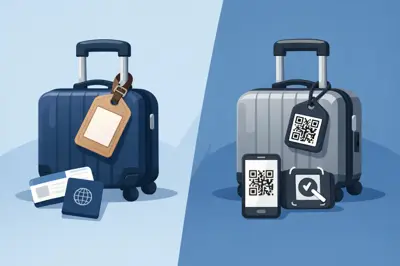
A QR tag can be the better fit when contact speed and information flexibility matter more than a single engraved alert. Travellers, cyclists, motorcyclists, solo walkers and families managing multiple emergency contacts often benefit from having a scannable option that routes people to the right person fast.
It is especially useful when the likely helper is not a paramedic but an everyday person. A passer-by who finds a lost bag, a neighbour checking on a holiday home, a member of the public helping after a minor bike crash - these people are often trying to reach someone, not interpret clinical shorthand. A QR tag makes that next step clearer.
For people concerned about privacy, this matters even more. You can stay reachable in an emergency without printing your private number where anyone can photograph it.
The strongest approach is often both
For many households, the smartest answer to medical id bracelet vs qr tag is to use both, with each doing a different job. The bracelet gives immediate visual warning. The QR tag provides the deeper layer - current contacts, added notes and a simple path for someone to act.
This combination works well because emergencies are messy. A paramedic may notice the bracelet first. A bystander may scan the QR tag while waiting for help. A school staff member may read one and use the other. Redundancy is not overkill when communication can affect care.
If you use both, keep the message structure clear. The bracelet should carry the most critical information only. The QR tag should make scanning feel safe, useful and direct, with details kept current. If the platform masks contact numbers and does not require an app, that removes friction at the exact moment you can least afford it.
How to decide for your situation
Start with one question: what does a helper need to know in the first 30 seconds? If the answer is a medical condition that changes urgent treatment, prioritise a bracelet. If the answer is who to contact and where to find fuller instructions, a QR tag adds serious value.
Then think about daily life. Are you often on the road, riding, travelling, caring for a child, supporting an ageing parent or juggling several family contacts? If so, a QR-based system may fit the way help actually happens outside a hospital setting.
Finally, consider upkeep. Safety tools only work when the information is accurate and the item is actually carried or worn. The best setup is the one you will keep updated, keep visible and keep with you.
A good safety product should reduce hesitation, not create it. Whether you choose a bracelet, a QR tag or both, the goal is the same - when you cannot explain what is wrong or who to call, the right information is already there, ready to speak for you.