Medical Alert QR Code Tag: Is It Worth It?
By ContactMeTag · · 7 min read
A fall on a bike path, a dizzy spell at the shops, a severe allergy flare-up at school - these are the moments when a few lost minutes matter. A medical alert QR code tag gives someone nearby a fast way to act when you cannot explain what is happening yourself.
For many Australians, the old options have clear limits. A traditional medical bracelet can show a condition, but it only has room for a few words. A card in your wallet may never be found in time. A mobile lock screen might help, but only if someone knows to check it and can use it under pressure. A QR-based medical alert system solves a different part of the problem. It creates a simple path from scan to action.
What a medical alert QR code tag actually does
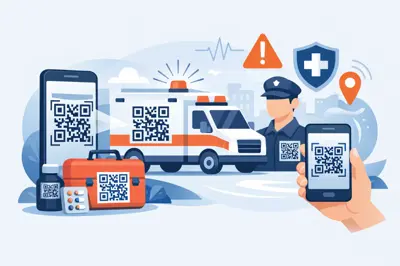
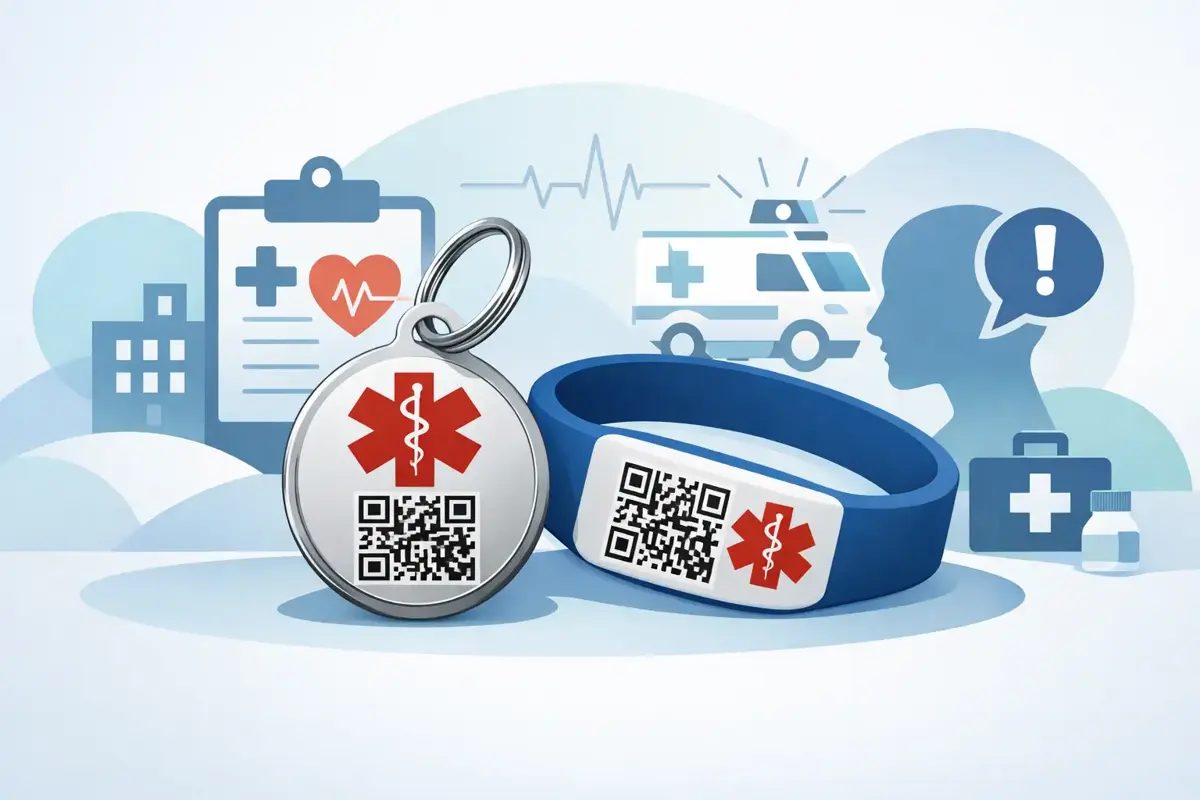
At its core, a medical alert QR code tag connects a physical item you carry or wear with a digital emergency profile. Someone scans the code with their mobile camera and is guided to the information or contact pathway you have chosen in advance.
That can include key medical details such as allergies, conditions, medications, emergency contacts, or instructions that matter in the first few moments of an incident. Just as importantly, it can help a bystander or responder contact the right person quickly without revealing your private mobile number to the public.
That privacy piece matters more than many people expect. Plenty of people want emergency backup in place, but do not want to print their full name, address, or family contact details on something visible to anyone. A well-designed QR system keeps the response fast while keeping personal details controlled.
Why more families are choosing a medical alert QR code tag
The appeal is not about novelty. It is about removing friction when stress is high.
If a child has an allergy, if an older parent lives with dementia, or if a rider has a known medical condition, the main question is simple: can the person helping reach the right details quickly? A medical alert QR code tag makes that easier because most people already know how to scan a code. There is no special app to download, no password to remember, and no need for the finder to make guesses.
This is where the idea becomes practical rather than technical. A parent can attach a tag to a school bag. A cyclist can place one on a helmet. A person managing diabetes can carry one on a keyring or wearable tag. In each case, the goal is the same - reduce delay, reduce confusion, and make contact possible straight away.
Where a medical alert QR code tag works best
The best use case depends on the person, not just the product.
For someone with a serious allergy or a condition that can cause sudden disorientation, wearable use often makes the most sense. A tag that stays on the body or is attached to something rarely left behind gives the highest chance it will be found at the right time.
For children, school bags, lunch bags, drink bottles and keychains can all help, but they are not equal. If the concern is a medical event during sport or on an excursion, a tag on the item they always carry may be better than one tucked away in a bag pocket. If the concern is routine pickup confusion or getting separated in a crowded place, clear and accessible placement matters even more.
For older Australians, especially those supported by family or carers, the right setup often balances dignity with visibility. Some people are comfortable with a wearable medical alert item. Others prefer a discreet tag on keys, a wallet, a walker, or a mobility aid. It depends on what they will actually keep with them every day.
The trade-off: more information, but only if someone scans
A medical alert QR code tag has a clear strength - it can hold far more useful information than a small engraved tag. But there is a trade-off. It still relies on somebody noticing it and scanning it.
That does not make it a poor choice. It just means placement and labelling matter. If the tag is hidden, too small, or looks like a generic sticker, it may be missed. The strongest setups make the purpose obvious. A visible tag with a clear emergency prompt gives a bystander confidence to act.
This is also why QR medical tags work best as part of a layered safety plan, not as the only plan. If you have a serious condition, you may still want your key diagnosis displayed on a wearable item while using the QR code to provide fuller details and a private contact route. That combination gives immediate visibility and deeper backup.
What to look for before you buy
Not every medical alert QR code tag is built for real emergencies. Some are little more than printed novelty labels. Others are better thought through.
Durability comes first. If the tag is going on a helmet, bag, keychain or mobility aid, it needs to handle weather, knocks and daily wear. A faded code is no help to anyone.
Privacy is the next big one. The best systems do not force you to display private phone numbers or personal details publicly. Instead, they let scanners call or message through a protected contact method. That way help can still reach you or your nominated contact without exposing information you would rather keep private.
Ease of setup matters too. If activation is fiddly or takes too long, people put it off. In practice, the right system should be easy to set up online in minutes, simple to update later, and clear enough that any family member can manage it.
And then there is the question people often forget: what exactly happens after the scan? A good tag does more than show a code. It creates a clear next step. In a stressful moment, that is the difference between useful and forgotten.
How to set up a medical alert QR code tag properly
Start with the details that would matter most if you could not speak. That usually means your name, emergency contacts, critical allergies, major conditions, and any urgent instructions that should be known quickly. Keep it relevant. In an emergency, clarity beats volume.
Then think about who needs to be contacted first. For some people, it is a partner. For others, a parent, carer, close friend or support worker makes more sense. The point is to choose contacts who are likely to answer and act.
Placement is the final step, and it deserves more thought than most people give it. Put the tag where it is easy to notice and likely to stay with you. A motorcycle helmet, school bag, keyring, wallet, mobility device or wearable item can all work well, depending on the person and the risk.
One practical advantage of systems like ContactMeTag is that they combine the physical tag with a digital contact path, so setup is fast and emergency communication stays private. That matters when you want something simple enough for everyday use but serious enough for genuine emergencies.
Who benefits most from this kind of tag
This is not a niche product for one type of person. It suits anyone who wants help to start faster.
Families managing allergies, epilepsy, asthma or diabetes often see the value quickly because those situations can change without warning. Travellers and older adults benefit because they may be away from familiar people when something goes wrong. Riders, cyclists and drivers benefit because accidents can leave someone unable to explain who they are or who to call.
Carers often find these tags especially useful. When you support someone else, your job is not only to prevent problems but to reduce confusion if a problem happens anyway. A medical alert QR code tag gives another person a direct line to the right information at the moment it is needed.
Is it worth it?
For most people asking that question, the better one is this: would a faster contact path help if you could not speak for yourself? If the answer is yes, then a medical alert QR code tag is not a gimmick. It is a practical safeguard.
It will not replace medical care. It will not guarantee every bystander will scan. But it can shorten the gap between an incident and action, and that gap is often where the real value sits.
When safety tools are done well, they do not add hassle to life. They remove hesitation when every scan counts. If you are setting one up, keep it visible, keep it current, and make it easy for someone to help without asking twice.