How Does an Emergency QR Code Work?
By ContactMeTag · · 7 min read
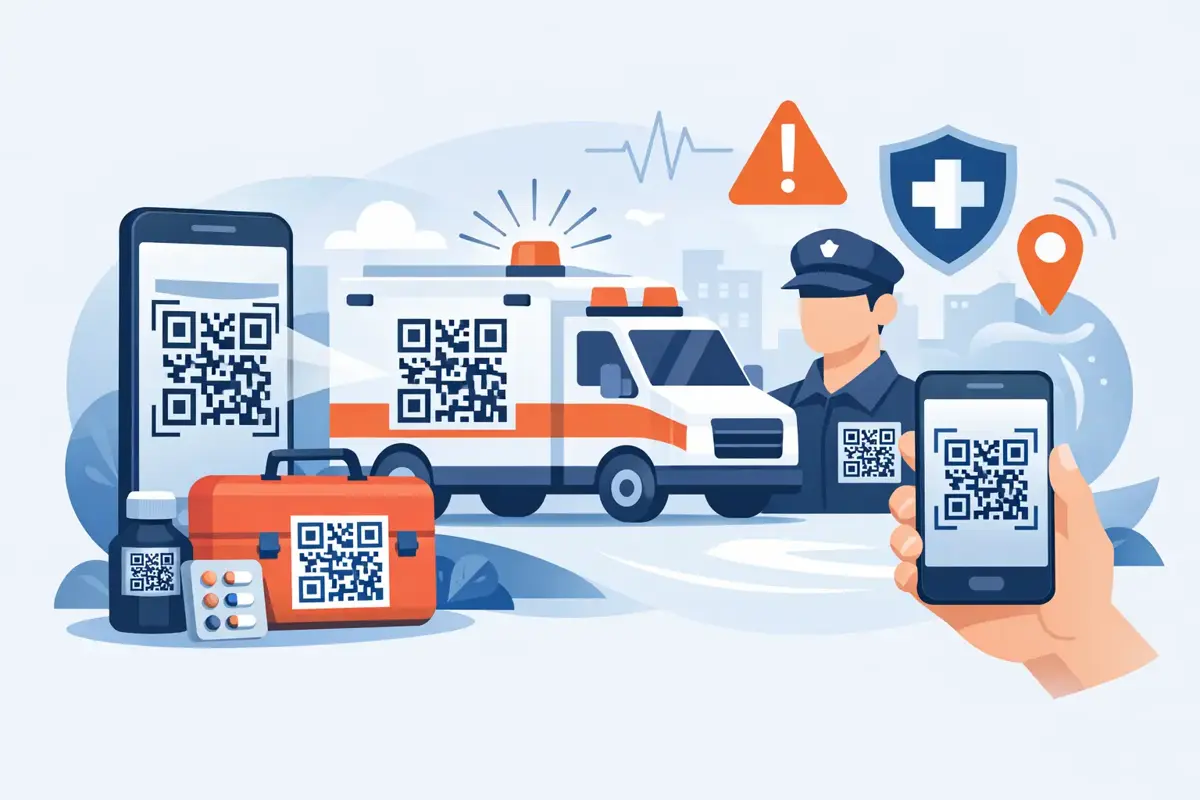
A crash on a regional road, a child separated in a crowd, a wallet left behind at a servo - these are the moments when seconds matter and people need a simple way to act. If you have ever wondered how does an emergency QR code work, the short answer is this: it turns one quick mobile scan into an immediate line of contact when you cannot speak for yourself.
That sounds simple because it is meant to be. A good emergency QR code system is built for real situations, not tech demos. It should work fast, protect your privacy, and remove friction for the person trying to help.
How does an emergency QR code work in practice?
An emergency QR code is a scannable code printed on a physical tag, sticker or card. That code is linked to a secure digital profile you set up in advance. When someone scans it with their mobile, they are taken to a page that helps them contact you or your nominated emergency contacts straight away.
The key point is that the QR code itself does not need to display your private mobile number in public. Instead, it acts as a safe bridge between the person scanning and the person who needs help. In a well-designed system, the scanner can call or message through the platform without seeing personal contact details.
That matters more than most people realise. Plenty of people want emergency access without putting their mobile number on a helmet, car window, school bag or pet tag. A privacy-first QR code solves that problem by keeping communication open while keeping your details protected.
What happens from setup to scan
The process usually starts when you buy the physical tag. You then activate it online and connect it to your contact information. Depending on the tag and the purpose, you might add your name, emergency contacts, vehicle details, medical notes, or simple instructions such as who to ring first.
Once the tag is active, the QR code becomes your trigger point. If there is an accident, a medical event, a lost item, or someone finds a wandering pet, they scan the code using their mobile camera. No special app should be required. That is a big advantage because in an urgent moment, nobody wants extra steps.
After the scan, the person is directed to a mobile-friendly page. From there, they can usually choose an action such as calling you, sending a message, contacting a family member, or alerting a nominated emergency contact. In some cases, the page can also give context that helps the situation, such as letting the scanner know the tag belongs to a child, a pet, a bike, a vehicle or a traveller.
The best systems keep this process very short. Scan, view, contact. Every extra click is a chance for delay.
Why QR codes work so well in emergencies
Emergency communication often fails for one simple reason: the right person cannot be reached quickly enough. A locked mobile, a missing wallet ID, or a stranger not knowing who to ring can slow everything down.
An emergency QR code reduces that gap. It gives a finder or first helper a clear next step. They do not need to search through contacts, guess relationships, or carry your item to a police station before action can happen. They scan the code and the contact path is already there.
This is especially useful when the owner is unconscious, distressed, too young to explain, living with memory loss, or simply not nearby. The QR code becomes the voice in the moment you cannot use your own.
The role of privacy in an emergency QR code
People often like the idea of emergency contact access, but hesitate when they think it means making personal information public. That concern is fair. A tag attached to a car, keyring, school bag or luggage may be visible to anyone.
That is why the platform behind the code matters just as much as the printed tag itself. A privacy-first setup masks your actual phone number and lets calls or messages be routed through the system. The scanner gets the ability to act, but not unrestricted access to your private details.
There is a trade-off here. If a system shows too little information, a helper may not know what to do. If it shows too much, you lose privacy. The right balance depends on the use case. A medical tag may need clearer health-related instructions. A luggage tag may only need a basic message route. A pet tag may need quick owner contact without listing your full address.
Real-world examples of how it helps
For drivers and riders, an emergency QR code can sit on a vehicle or helmet and give bystanders a fast way to notify family if there has been an incident. If the rider cannot unlock a mobile or speak clearly, the scan still works.
For parents, a QR tag on a backpack, lunch bag or jacket can help if a child becomes separated in a busy place. The person helping does not need to make assumptions. They scan and contact the parent directly through the system.
For travellers, the value is often less about injury and more about lost property. A suitcase, wallet, passport holder or laptop bag with a QR tag gives an honest finder a quick, low-effort way to reach you. That can be the difference between recovery today and a long, stressful process later.
For carers and families supporting someone with dementia, the benefit is even more immediate. If a loved one becomes disoriented, the QR code can help a member of the public make safe contact without needing the person to explain who they are.
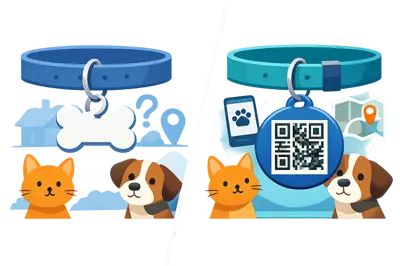
For pet owners, it solves a familiar problem. A collar tag can be scanned by whoever finds the animal, and the owner can be contacted quickly without putting their private number out in the open.
What makes one emergency QR code system better than another?
Not every QR code is built for the same job. A basic QR code that points to a static webpage is not the same as a dedicated emergency contact system. If you are choosing one, the details matter.
First, it needs to work without an app. In urgent situations, app downloads are a barrier. Second, setup should be quick enough that people actually complete it. Third, the tag needs to be durable. Heat, rain, road grime, scratches and daily wear can destroy low-quality labels fast.
It also helps if your details can be updated without replacing the tag. Life changes. Mobile numbers change, emergency contacts change, children move schools, pets get adopted, and medical needs shift. A strong system lets the digital information stay current while the physical code stays the same.
This is where a purpose-built product has a clear edge over a DIY QR code printed at home. Homemade options may seem cheaper at first, but they can fall short on durability, privacy controls and reliable contact routing.
Is an emergency QR code enough on its own?
Usually, it is best seen as one layer of preparedness, not the only one. For some people, a medical bracelet, a wallet card, or mobile emergency information will still be worth having alongside a QR tag. Redundancy is useful in safety planning.
That said, QR codes have one major advantage over information hidden in a wallet or locked mobile - they are easy to spot and easy to use. A visible code invites action. It tells people, clearly, that there is a safe and simple way to help.
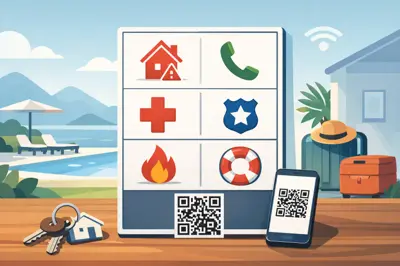
The other benefit is versatility. The same idea can work across vehicles, helmets, home access points, keychains, school bags, pet collars, luggage and more. That makes it practical for households that want a consistent safety system rather than a different solution for every problem.
Who should consider using one?
If you travel often, commute by car or motorbike, care for children, support an ageing parent, own pets, or simply want a better lost-and-found backup, an emergency QR code is worth considering. It is particularly useful for people who want immediate contact options without displaying personal numbers in public.
You also do not need to be highly technical to use one. The right product is designed for ordinary Australians who want something they can set up in minutes and trust when pressure is high. That is the real value - not novelty, but readiness.
A well-built system like ContactMeTag works because it respects what emergencies are actually like. People are stressed. Time is short. Nobody wants a complicated process. When a single scan can connect the right people quickly and privately, it gives help a head start - and sometimes that is exactly what is needed.