Lost Property Prevention for Australian Families
By ContactMeTag · · 6 min read
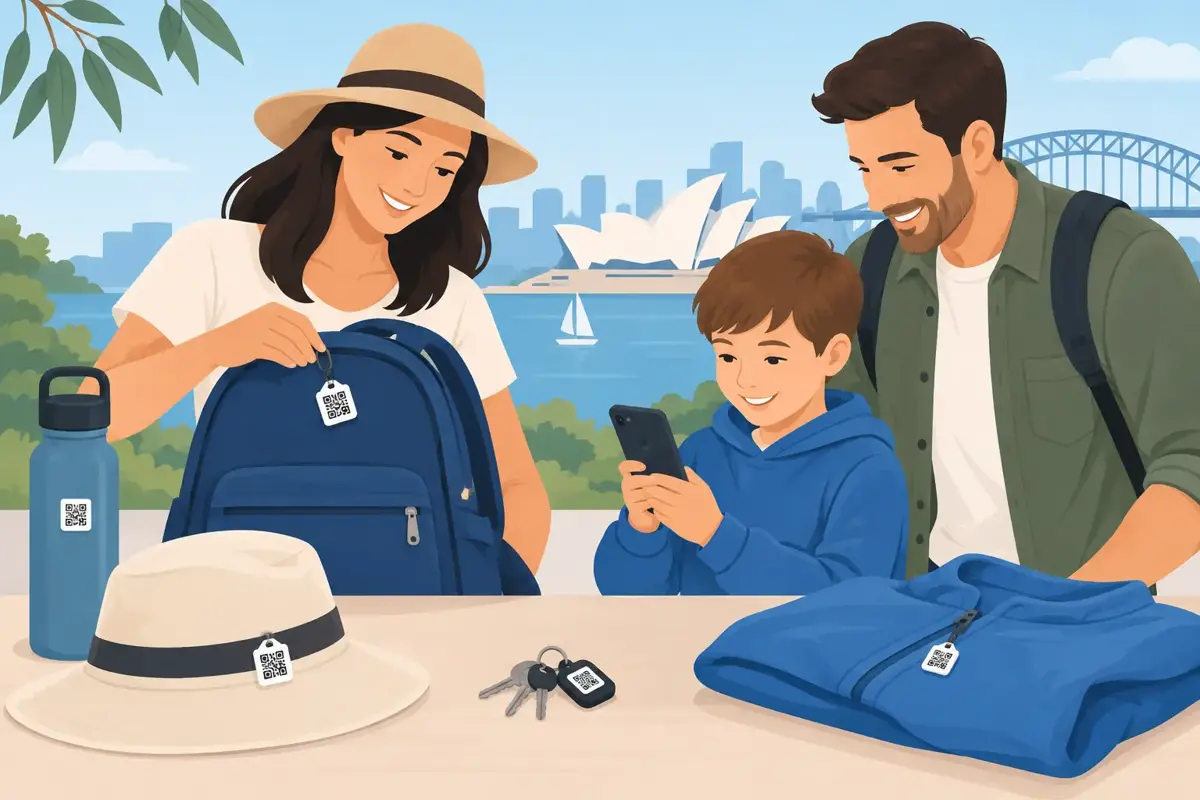
A wallet left on a café table, a school bag swapped at sport, luggage delayed between airports or keys dropped near the beach can quickly turn an ordinary day into a stressful one. Lost property prevention is not about never making a mistake. It is about making the right next step obvious for the person who finds your belongings.
Most lost items are not stolen. They are misplaced, picked up by a Good Samaritan or handed to staff who have no practical way to contact the owner. A name written inside a bag may help, but it can also reveal more personal information than you want to share. A mobile number on a luggage tag creates a different problem: it is publicly visible to anyone who handles it.
The best approach combines simple habits with a private, immediate contact method. When every scan counts, the goal is clear: make it easy for an honest finder to reach you quickly, without putting your personal details on display.
Why lost property is hard to return
A finder usually has good intentions, but only a few minutes to help. They may be standing at a train station, at the school office, in a car park or outside a sporting ground. If they cannot identify the owner or make contact straight away, the item may sit in a lost-property cupboard for weeks.
Traditional labels have limits. They can fade, peel off or provide a mobile number that you would rather not make public. Some people avoid calling an unknown number, while others may not have time to search social media or wait for an organisation to process lost property.
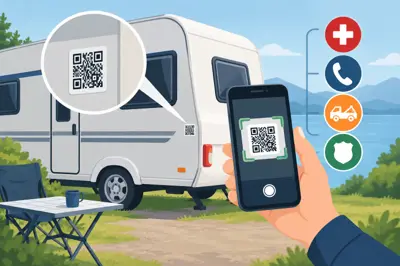
This is where a QR contact tag changes the outcome. A quick scan can direct the finder to a simple contact page, allowing them to call or message the owner or nominated emergency contact while keeping private numbers masked. No app download is required for the finder. That matters when someone is trying to do the right thing between appointments, school pick-up or a flight connection.
Lost property prevention starts before you leave
The most effective systems are built into everyday routines. Rather than relying on memory when you are rushing out the door, set up your important items so they can speak for you when they are separated from you.
Prioritise the items that cause the biggest disruption
Start with the belongings that are difficult, expensive or time-consuming to replace. Keys, wallets, work laptops, school bags and luggage are obvious choices. Then consider the items that may create a safety issue if they are lost, such as a child’s bag, a medical pouch, a bicycle helmet or a pet collar.
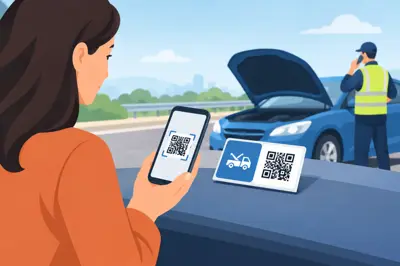
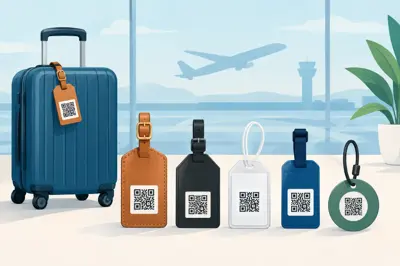
For drivers and motorcyclists, a QR tag on a vehicle or helmet can also provide a fast way for a bystander to contact a nominated person after an incident. For travellers, it gives an airline employee, hotel staff member or fellow passenger a direct route to you without exposing your mobile number on the outside of your bag.
Not every item needs the same solution. A wallet tag should be discreet and durable. A luggage tag needs to handle rough baggage systems and weather. A tag used on a child’s bag should be easy for a teacher or another parent to scan, while keeping family contact details private.
Use a contact method that stays current
A label is only useful if its details are correct. People change mobile numbers, move house and update emergency contacts. If the information is handwritten, it is easy to forget until the moment it is needed.
Choose a system that lets you update contacts online in minutes. This is particularly useful for families. You might nominate both parents for a child’s school bag, add a partner before a holiday, or change the emergency contact for an elderly relative without replacing every physical tag.
ContactMeTag pairs durable QR tags with a privacy-first contact-routing service, so a finder can make contact without seeing the private number behind it. It is a practical safeguard for belongings, but it is also useful when the owner cannot speak for themselves.
Build a routine that reduces everyday losses
Technology works best alongside a few repeatable habits. Keep the routine simple enough that everyone in the household can follow it, including children.
Create a designated spot near the front door for keys, wallets, sunglasses and school items. Before leaving a café, playground or appointment, do a quick three-item check: mobile, wallet and keys. Before driving away from a campsite, beach or rest stop, look through the cabin, under seats and in the boot.
For school-aged children, attach a tag to the outside of the bag and place a clear name label inside only if the school requires it. Teach children not to rely on a stranger’s mobile or social media to get help. Instead, explain that a teacher, shop worker, police officer or another trusted adult can scan the tag and contact their family.
Travellers should photograph their luggage before departure, note the bag colour and any distinctive features, and make sure the tag is firmly attached. A QR tag cannot prevent an airline delay, but it can shorten the gap between a bag being found and you being contacted.
Set up your QR tags for a useful response
A QR code is only as helpful as the information and contacts behind it. Take a few minutes to test the experience from a finder’s perspective.
First, nominate contacts who are likely to answer. If you work in an area with poor reception, add a partner, family member or trusted friend as a backup. For children, older family members or people living with dementia, choose contacts who understand the situation and can act quickly.
Next, keep the message clear. A finder does not need your full address, date of birth or other sensitive details. They need a simple way to tell you what they found and arrange a safe return. Privacy should be part of the design, not an afterthought.
Finally, scan each tag after attaching it. Check that it is easy to scan in normal light and that the contact route works. Review your details before major travel, a new school term, a long road trip or when family circumstances change.
What to do when something still goes missing
Even careful people lose things. The difference is how quickly you act and how easy you have made it for others to help.
Retrace your most recent stops while the timing is fresh. Call the venue, transport provider or school office, and provide a clear description of the item. If it contains cards, identification, work information or house keys, take the appropriate security steps immediately, such as freezing cards or changing access where needed.
If your item has a QR contact tag, keep an eye on your mobile and messages. A finder may reach out at an unexpected time, particularly after a venue closes or someone gets home from work. Respond calmly, thank them and arrange a return in a public, safe location where appropriate.
For lost keys, be realistic about the risk. If they were attached to anything that identifies your home, or if you cannot account for where they were lost, speak with a locksmith about changing or rekeying locks. Fast contact is valuable, but security decisions should always reflect the circumstances.
A small tag can remove a big barrier
Lost property is often returned because someone cared enough to pick it up. The problem is rarely goodwill. It is the missing bridge between finder and owner.
Give your family, your belongings and the people who find them a simple next step. Check the items you carry most often, make your emergency contacts current, and choose a private way for someone to reach you when it matters.