How to Label Caravan Emergency Contacts Safely
By ContactMeTag · · 7 min read
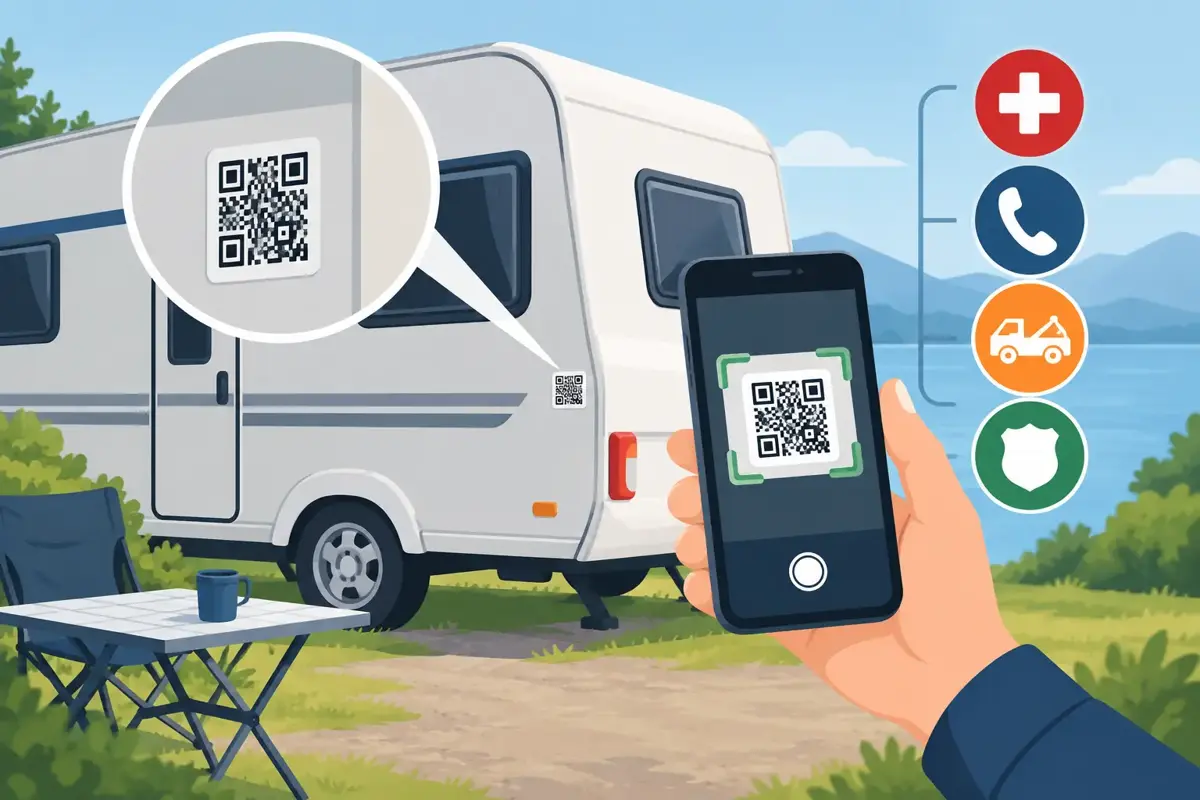
A caravan can be sitting unattended at a campsite, parked outside your home, or travelling hundreds of kilometres from your usual support network when something goes wrong. Knowing how to label caravan emergency contacts means a park manager, neighbour, roadside helper or emergency responder can act quickly - without your personal mobile number being displayed for everyone to see.
A good emergency contact label does more than identify the owner. It gives the right person a clear way to reach help when you cannot answer, cannot speak, or are simply nowhere near the caravan.
Why a caravan needs emergency contact details
Caravans are regularly left unattended. You might be out walking, shopping, at the beach, or away from your site for the day. Meanwhile, someone may notice a gas smell, smoke, storm damage, an open door, a vehicle strike, or a medical situation involving a traveller inside.
In these moments, a note tucked inside a cupboard is no help. A phone number written in permanent marker on the drawbar may be visible, but it also exposes your private details to every passer-by. That can lead to nuisance calls, unwanted messages and information being used by the wrong people.
The aim is simple: make contact possible within seconds while keeping control of who sees your actual details.
What emergency contacts should be able to do
Before creating a label, decide who should be contacted and what they can realistically help with. Your first contact is usually the person travelling with you, a family member, or a close friend who knows your plans. A second contact matters if the first person is driving, overseas, asleep, or unable to answer.
For longer trips, consider nominating someone who has access to your itinerary, insurance details, or spare keys at home. If you travel with children, older relatives, pets, or a person with a medical condition, make sure the nominated contact understands the extra information they may need to provide in an emergency.
Do not list someone just because they are nearby. Ask first. They should be comfortable taking urgent calls and know what you expect them to do.
How to label caravan emergency contacts without oversharing
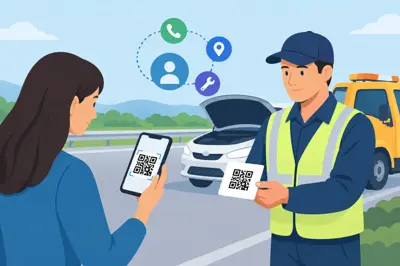
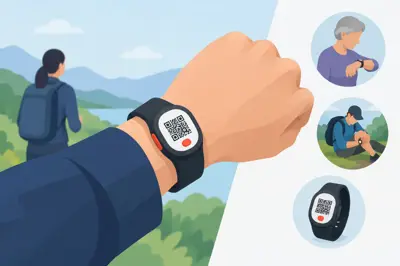
The safest option is a weatherproof QR emergency contact tag that routes a scanner to your chosen contacts. A person scans the code with their mobile camera and can call or send a message without downloading an app. Your personal phone number remains masked.
This approach is particularly useful on the road. A helpful stranger does not need to search for paperwork, wait for a social media post to be seen, or leave a handwritten note that may blow away. They scan, choose the contact option and the right people are notified.
ContactMeTag allows you to set up nominated contacts online in minutes, then change them when your travel plans or circumstances change. That flexibility matters. The emergency contact your caravan needs during a family trip may not be the same person you want contacted when it is stored at home for winter.
If you use a printed label instead, avoid including full names, home addresses, booking details, dates away, medical information or direct phone numbers. At most, use a short instruction such as “Emergency contact: scan QR code” alongside a clearly visible code. A QR tag linked to a protected contact page gives far better privacy and control.
Choose locations people can find quickly
A label only works if someone can spot it under pressure. Put it where a person is likely to look first, but where it is protected from constant abrasion, dirt and direct impact.
The main exterior location is often near the entry door, at a practical eye level, where a campsite manager or emergency worker can see it without searching. The inside of the entry door is also useful, particularly if the caravan is locked or a concern is discovered once someone has access.
It can be sensible to use more than one tag. One near the door and one near the drawbar or front storage area creates a backup if one side is blocked after an incident. For larger caravans, a tag near the rear service area can also help, especially where gas bottles, electrical connections or recovery equipment are located.
Avoid placing the only label behind tinted windows, inside a locked hatch, underneath the A-frame, or on a removable item that can be stolen or misplaced. Do not cover safety instructions, compliance plates, lights or reflectors. The label should support existing safety information, not compete with it.
Make the message clear at a glance
A QR code needs a brief instruction. People are more likely to scan when they understand why it is there and what will happen next. Keep the wording direct:
“Scan for caravan emergency contact”
“Need to reach the owner? Scan here”
“Emergency or urgent issue: scan to contact”
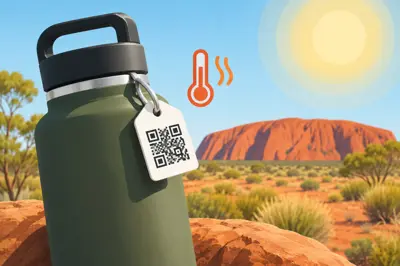
There is no need to explain the technology in detail on the tag. In a genuine emergency, clarity beats clever wording. Use high contrast, readable text and a code large enough for a mobile camera to scan easily. Choose a durable, waterproof tag designed for outdoor exposure, as heat, dust, rain and road grime can quickly ruin ordinary stickers.
Set up contact details for real situations
Your contact profile should be useful to a person trying to help, not a complete record of your life. Add at least two contacts where possible, and check that each mobile number is current. If the system lets you choose the order of contacts, place the most likely person to answer first.
A practical caravan setup may include your travelling partner as the primary contact and an adult child, sibling or trusted friend as the backup. Solo travellers might nominate a close family member first, then a neighbour or friend who knows their route and expected return date.
Keep messages enabled if you can. A caller may be in a noisy roadside location, have poor reception, or prefer to send a short message such as “Your caravan has a flat tyre at the rest area” or “Park staff need to speak with you urgently.” Messages provide a written record and can be easier to respond to when you are driving or in an area with patchy signal.
Review your details before each major trip. Check names, mobile numbers and notification settings, particularly after changing phones, changing travel companions or lending the caravan to family.
Test the label before you leave
Do not assume a new tag is working because it looks fine. Scan it with your own mobile after fitting it, then ask another person to scan it as well. Test in daylight and shade. Confirm that the contact options appear correctly and that calls or messages reach the intended people.
This is also the time to check placement. Can a person scan the tag without kneeling in mud, moving equipment or standing in traffic? If not, relocate it. A label that is technically present but difficult to use may fail when it matters most.
After a long trip, wipe the tag clean and inspect it for fading, scratches or lifting edges. Replace a damaged tag promptly. Caravan travel is tough on exterior fittings, especially on unsealed roads and in coastal areas where salt and sun take their toll.
Keep emergency information separate from security information
Emergency contacts are for getting help quickly. They should never become a public directory of the things that make your caravan easier to target. Avoid labels that say you are away, identify where you live, reveal alarm details, or show that expensive equipment is stored inside.
Likewise, do not place spare key locations or lock codes beside an emergency contact tag. If someone needs access in a genuine crisis, your nominated contact can decide what information to share after they have been reached.
The best setup gives a good person a fast path to you, while giving a dishonest person nothing useful. That balance is why privacy-first contact routing is safer than displaying a phone number on the caravan.
A small tag can change the first few minutes
Caravan emergencies are not always dramatic. They can be a leaking tap flooding a site, a dog left inside on a hot day, a storm-damaged awning, or a fellow traveller noticing something that does not look right. In every case, the first few minutes are easier when a person can reach someone who can make a decision.
Fit the label where it can be found, keep the contacts current, and test it before the next trip. When you cannot speak, your QR code can speak for you.