The ContactMeTag Journal
Lost Property Contact System for Faster Returns
A lost property contact system helps finders reach you quickly while keeping your mobile number private. See how QR tags make returns simpler for all.
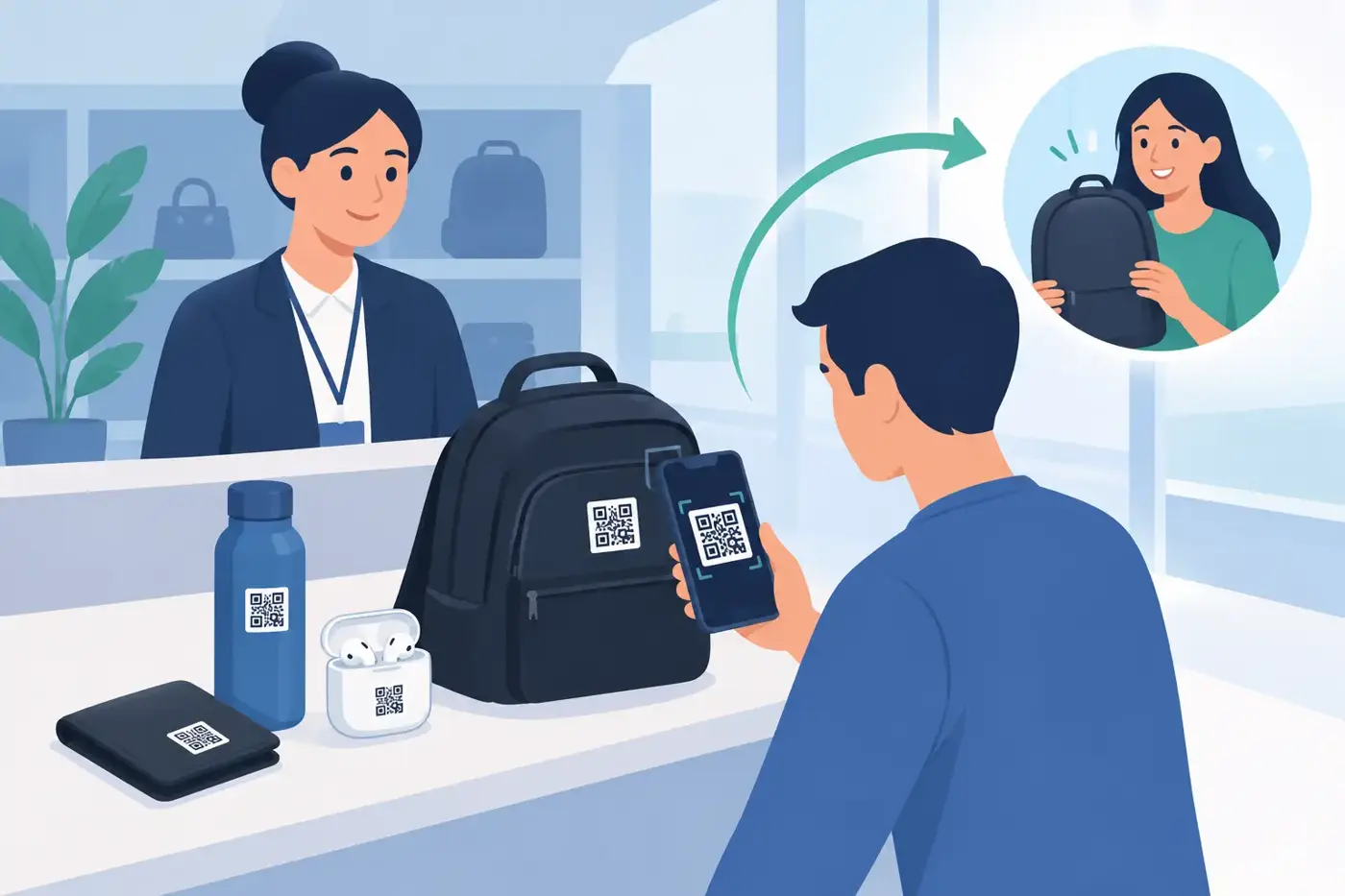
A wallet left on a café table, luggage separated from its owner at the airport, keys dropped near the footy oval - these moments are common, and they create the same problem. A decent person finds the item, but has no safe, simple way to contact its owner. A lost property contact system closes that gap in seconds.
Rather than putting your personal mobile number on a tag, a QR code gives the finder a direct path to contact you while keeping your details private. They scan, choose how to get in touch, and you can respond quickly. For a family managing school bags, cars, travel gear and pets, that small step can make a stressful day far easier to resolve.
What a lost property contact system needs to do
A lost property process only works when it is easy for the finder, not just useful for the owner. If someone needs to download an app, create an account or hunt through a complicated webpage, there is a good chance they will put the item aside and intend to deal with it later. Sometimes later never comes.
The best system removes friction at the exact moment it matters. A finder should be able to use the camera already on their mobile, scan a clearly displayed code and contact the owner or a nominated person straight away. No app. No public phone number. No need to hand over a wallet, bag or keys to a venue that may not know how to reach you.
Privacy matters just as much as speed. Printing a mobile number on a luggage tag or keyring means anyone can photograph, copy or misuse it. A QR contact tag can route calls and messages without exposing your number to the person scanning it. You remain contactable without making your private details public property.
How QR contact tags work in the real world
A QR tag links a physical item to a secure online contact page. You set up the tag online, add your preferred contact method and, where appropriate, nominate emergency contacts. Once it is attached, the tag is ready whenever the item is misplaced, found or involved in an urgent situation.
Imagine a commuter finds your laptop bag on a train. Instead of opening the bag or waiting for lost property staff to process it, they scan the tag on the outside. They can send a message or call through the contact system. You receive the alert and can arrange a safe collection point while the bag is still nearby.
The same process works for a suitcase at a hotel, a set of keys found on a footpath or a child’s school bag left at sport. The finder does not need to know you. They only need a mobile camera and a willingness to help.
For higher-risk situations, the purpose extends beyond lost property. A tag on a motorcycle helmet, vehicle, medical pouch or wearable item can help a bystander reach an emergency contact when the person cannot speak for themselves. When you cannot speak, your QR code speaks.
Where a contact system makes the biggest difference
Not every item needs the same type of tag or the same contact setup. The practical value comes from matching the system to the situation.
For drivers and riders, placing a weatherproof QR tag on a vehicle or helmet gives witnesses a way to alert family after an accident or incident. A registration plate does not tell a Good Samaritan who to call. A visible contact tag can.
For travellers, QR tags on luggage, passport holders and carry-on bags offer a safer alternative to writing personal details on a traditional label. If baggage is misplaced between an airport, taxi and accommodation, the person holding it can contact you quickly without seeing your number or home address.
Parents can use tags on school bags, lunch bags, sports gear and keychains. Kids often misplace items in busy places, and schools may have piles of similar-looking belongings in lost property. A scan gives staff or another parent a straightforward way to reach the right adult.
Pet owners and carers also have important use cases. A tag on a lead, carrier or collar can help someone contact the owner of a wandering pet. For people living with dementia, a wearable tag can provide an extra contact pathway if they become disoriented. It is not a replacement for supervision, medical advice or formal identification, but it can give a helpful person a clear next action.
Set it up before you need it
The value of a lost property contact system depends on the information being current. Setup takes only minutes, but it deserves a quick check whenever your phone number, emergency contacts or travel plans change.
Start by deciding who should be reachable for each item. Your work laptop may need your direct contact details. A child’s bag may be better linked to two parents or carers. A holiday home key safe may need a property manager as well as the owner. The right answer depends on who is most likely to respond quickly.
Use a contact method you will actually monitor. If you rarely answer unknown calls, make sure messages are enabled and check them. If you are travelling overseas, nominate someone in Australia who can act if you are unavailable. The goal is not simply to receive a notification. It is to make a safe, timely decision once it arrives.
Make the tag visible and place it where it can be scanned without opening or damaging the item. On luggage, the outer surface is usually best. On a wallet, choose a discreet but accessible position. On a vehicle or helmet, use a durable weatherproof tag designed for outdoor exposure. A tag hidden inside a zip pocket may protect it from wear, but it cannot help a finder who never sees it.
The trade-offs worth thinking through
QR technology is simple, but no lost property contact system can guarantee that every item will be returned. An item may be stolen, damaged, taken somewhere with poor reception or found by a person who does not scan the tag. That is why QR contact tags work best as part of practical habits: lock valuable items, keep backups of important documents and use tracking tools where appropriate.
A tracker and a contact tag solve different problems. A tracker may help you identify an item’s approximate location, depending on its battery, network and settings. A QR tag helps the person who has the item contact you immediately. For expensive travel gear, bikes or work equipment, using both can be sensible.
You should also think about what details are necessary. A finder does not need access to your address, date of birth or personal medical history. Keep the public-facing experience focused on one thing: helping the right person make contact. Privacy-first routing gives you more control while still making action easy.
A simple system for the things that matter
ContactMeTag combines durable Australian-made QR tags with contact routing that keeps private numbers protected. The scanner can call or message without an app, and the owner can manage their contacts online as circumstances change. That makes it useful across the everyday items that tend to disappear at the worst possible time.
Start with the belongings that would cause the most disruption if they went missing: house keys, wallet, luggage, school bags, vehicle or helmet. Then consider the situations where another person may need to reach family on your behalf. A small, visible tag can turn an awkward discovery into a quick conversation.
The best time to organise contact is before anything goes missing. Attach the tag, check the details and let every scan count when someone is trying to do the right thing.