How to Prepare for Lost Luggage Before You Fly
By ContactMeTag · · 6 min read
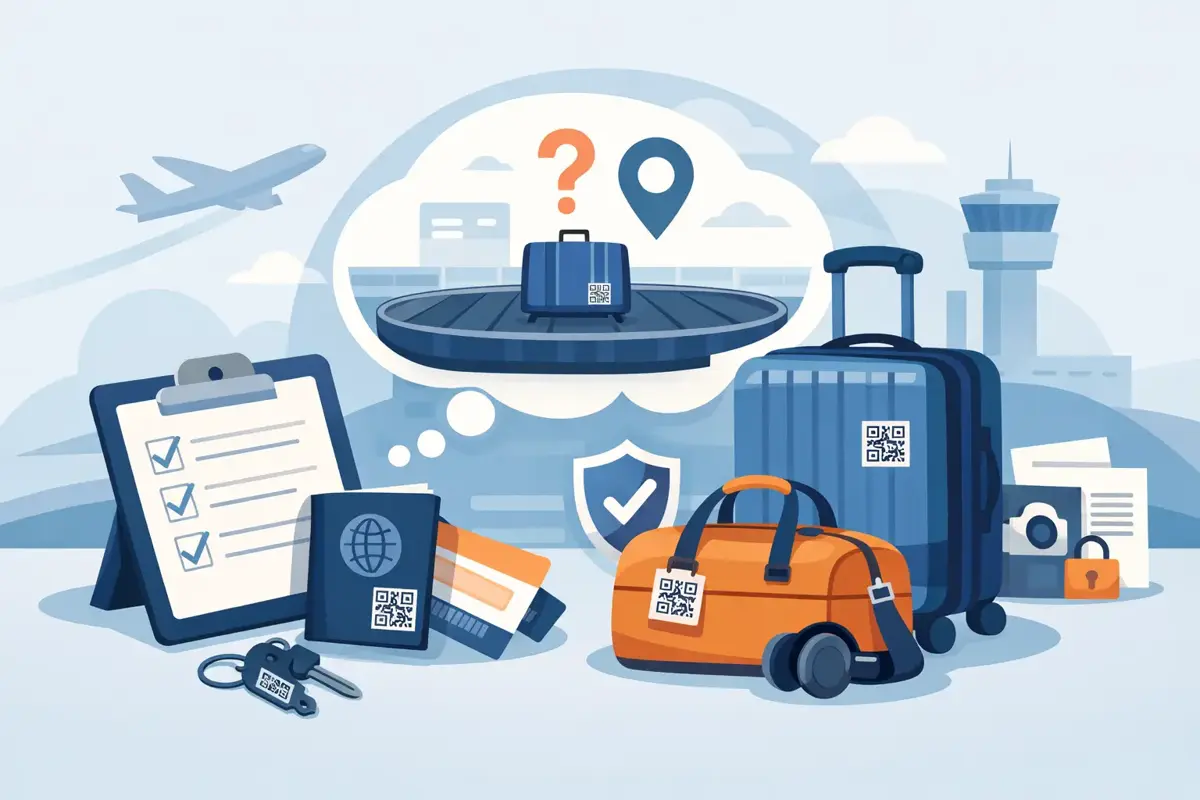
Your suitcase may be checked in at Sydney, but its journey can involve multiple baggage belts, airport teams and connecting flights before it reaches the carousel at the other end. Most delayed bags do turn up. The difficult part is the first 24 to 48 hours, when you need clothes, medication or a way to attend an event - and you are relying on someone to identify your bag and contact you.
Knowing how to prepare for lost luggage is not about expecting the worst. It is about making a stressful travel disruption easier to manage, while giving an honest finder a safe, quick way to help.
How to prepare for lost luggage before departure
Start with a simple rule: anything you cannot comfortably replace for a few days should travel with you in your carry-on bag. That includes prescription medication, travel documents, a change of clothes, glasses, chargers, keys and valuables. If you are travelling for a wedding, work event or cruise, carry the essential outfit or the items that would be hardest to buy at short notice.
Airlines have restrictions on what can go in checked baggage, particularly spare lithium batteries and power banks. Check the requirements for your airline before packing. More importantly, avoid placing passports, cash, medical equipment or irreplaceable sentimental items in a suitcase you will hand over at check-in.
A small carry-on kit makes the first day far less disruptive. Include toiletries within cabin liquid rules, underwear, basic medication and any child essentials you would need if the bag arrived tomorrow rather than tonight. Families should spread clothing across more than one checked bag where practical, rather than putting one person’s entire wardrobe in a single suitcase.
Photograph your bag and its contents
Before leaving home, take clear photos of the outside of each suitcase, including distinctive marks, luggage tags and any unusual colour or pattern. Then take a quick photo of the inside once it is packed. These images can help when completing a baggage report, especially when several similar black cases are on the same flight.
Keep a note of the bag’s brand, size and colour, plus its baggage tag number. A photo of your boarding pass and checked-bag receipt is useful too. Save these details to your mobile and, if you are travelling with others, send a copy to a trusted travel companion.
This is also the right time to consider what identifying information is visible. A conventional luggage label with your full name, home address and mobile number can help return a bag, but it also leaves personal details on public display. It may be better to use a privacy-first QR contact tag that lets a finder reach you without seeing your number or address.
Give your luggage a clear identity
A bright strap or distinctive tag can make your bag easier to spot on a carousel, but appearance alone is not enough when luggage is misplaced. Your bag needs a reliable way for an airline worker, hotel staff member or Good Samaritan to contact you.
Set up a QR luggage tag before you travel and test it with another mobile. Confirm the contact details are current, the message is clear and your nominated contact can respond if you are in the air, out of mobile range or dealing with a flat battery. ContactMeTag provides this kind of private contact routing, allowing someone to scan and make contact without an app or access to your personal phone number.
Put the tag where it can be seen easily, such as the outside handle, and consider placing a second identifier inside the case. External tags can be damaged or removed during handling. An internal contact card or second tag gives baggage staff another way to identify the owner when they open a bag during tracing.
Do not rely solely on a tracker. A tracker can show a likely location, which may be reassuring and useful when speaking with an airline, but it cannot make someone call you. The strongest approach is both: a way to locate the bag where permitted and a way for a person who finds it to reach you immediately.
Pack for a faster baggage claim
Avoid overpacking and check that the suitcase closes securely. Loose zips, broken handles and old luggage shells are more likely to create handling problems. Remove outdated airline tags from previous trips, as they can cause confusion during sorting.
At check-in, make sure the destination printed on your baggage receipt matches your final destination. This matters most on multi-stop journeys, where some routes require passengers to collect and recheck bags during transit. Ask the airline staff if you are unsure rather than assuming your luggage will be transferred automatically.
Allow extra time for tight connections where possible. Airlines set minimum connection times, but a short connection leaves less room for delays and can make baggage transfer more difficult. If you have a choice, a slightly longer connection can be worthwhile, particularly when travelling with children, sporting equipment or essential checked items.
Travel insurance can help with reasonable costs if your luggage is delayed, damaged or lost, but policies vary. Read the limits and exclusions before departure. Some insurers require you to obtain a report from the airline first, and many place limits on valuables, electronics and individual items. Keep receipts for purchases you make because your bag is delayed, such as basic clothing or toiletries. Buy what is reasonable for the situation, not a full replacement wardrobe on day one.
What to do when your luggage does not appear
Stay at the baggage hall until you have spoken with the airline’s baggage services desk or its ground handling representative. Do not leave the airport assuming you can sort it out later. Lodge a delayed baggage report before you go, and ask for the reference number in writing or by email.
Give a precise description of the bag, using the photos you took before the flight. Provide the address where you will be staying, not just your home address, and make sure the airline has a mobile number or contact method that will work while you are away. If you move between hotels, update them promptly.
Ask what happens next: how you will receive updates, whether the bag will be delivered once found and what information they need if you identify its location through a tracker. Keep your baggage receipt, boarding pass, report reference and receipts for essential replacement purchases together.
If your bag is returned by an airline, check it before accepting delivery where possible. Photograph damage, missing items or a broken lock straight away and report it within the airline’s stated timeframe. Deadlines can be short, so do not wait until you get home.
If a stranger finds your bag
Lost luggage does not always remain within airline systems. A bag may be left in a rideshare, at a hotel, on public transport or beside a carousel. In that moment, the finder needs one obvious action: scan the tag and make contact.
This is why clear, privacy-protected identification matters. A person who wants to do the right thing should not have to search social media, wait on hold or handle your private details. They should be able to scan, send a message or call through a protected contact route, and you or your nominated contact can organise the next step.
If you receive a message from someone who has found your bag, protect yourself as well. Thank them, confirm a safe public handover point or arrange collection through the relevant business or authority. Do not send money, share unnecessary personal information or ask a stranger to deliver the bag to your accommodation. If the bag contains important documents, involve airline staff, airport security or police where appropriate.
Make preparedness part of packing
The best luggage plan takes only a few minutes: photograph each bag, carry essentials with you, save your baggage details, remove old tags and make sure a finder can contact you without exposing your personal information. Then check your contact details again before every major trip.
A delayed suitcase can still interrupt your plans. But when your essentials stay with you and your bag has a clear path back to you, one missing carousel moment does not have to become a holiday-long problem.