Home Emergency Information Tools That Work Fast
By ContactMeTag · · 7 min read
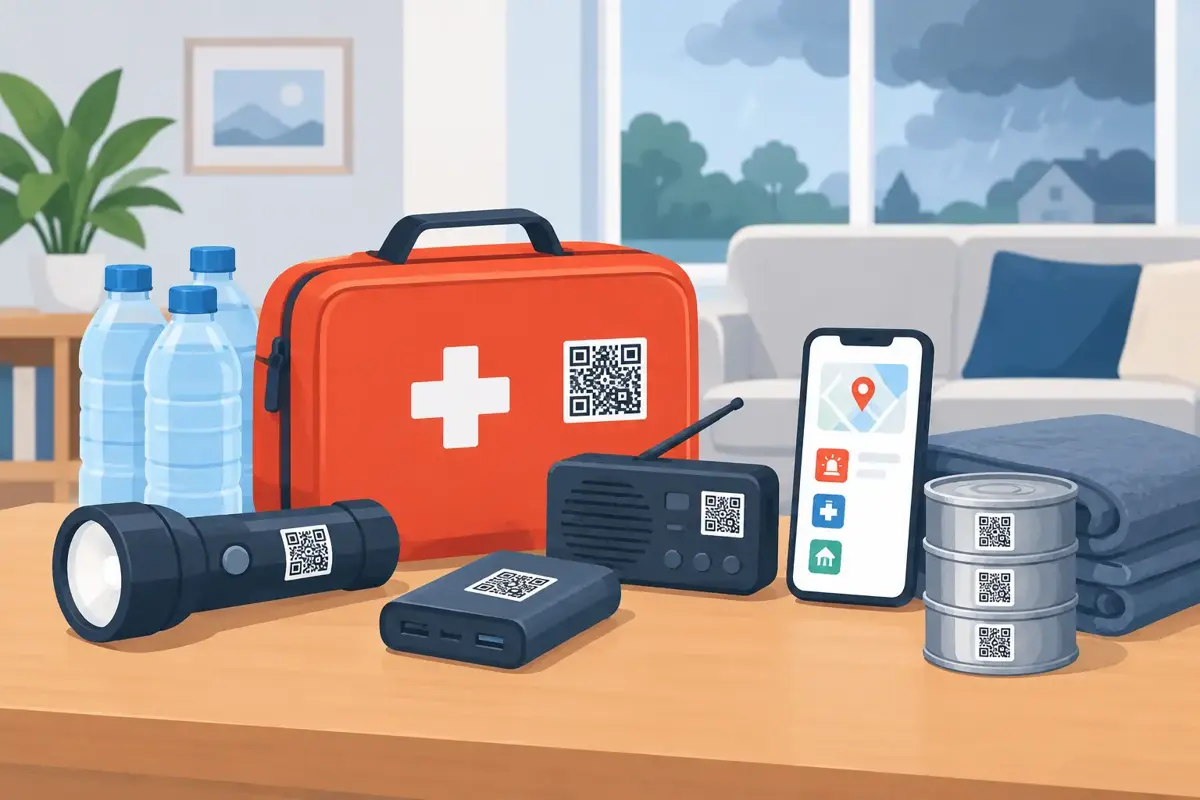
A neighbour notices smoke at your holiday house. Your child arrives home without their key. A family member with dementia becomes disoriented on a walk. In these moments, home emergency information tools are not about having more technology around the house. They are about giving the right person a clear way to act when you cannot answer, explain or get there quickly.
A useful home setup makes essential information available without leaving your private phone number, spare key location or personal details exposed for anyone to see. It should work for a visitor, neighbour, tradie or emergency responder with an ordinary mobile, under pressure, with no app to download.
What home emergency information tools need to do
The best tool is not necessarily the one with the longest feature list. It is the one that removes delay at the exact point someone needs help. For a home, that usually means making contact possible, confirming what action is appropriate and helping the right people coordinate.
A paper contact list on the fridge can still be useful for your household. But it cannot help a neighbour standing outside a locked property, and it is not ideal when it contains full names, medications, alarm details or private numbers. Likewise, a key safe may solve access for selected people, but it does not tell them who should be called first when something goes wrong.
Practical tools work together. A visible emergency contact point helps someone reach you or a nominated contact. Clear household information helps your family make decisions. A plan gives everyone confidence about what to do next.
Fast contact without public exposure
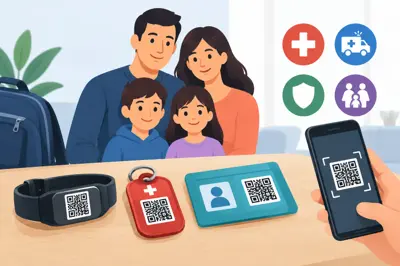
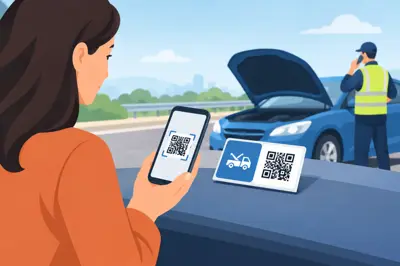
A QR emergency contact tag placed near an entry point, letterbox or lockbox can give a finder or responder a direct path to contact. They scan the code with their mobile and can call or message the owner or nominated contacts through a protected system.
That privacy layer matters. Printing a mobile number on a sign may seem simple, but it can invite unwanted calls, scams or misuse. A contact-routing service lets your details stay private while still allowing a genuine caller to get through. If your circumstances change, you can update contacts online instead of replacing every sign or label.
This is where a purpose-built option such as ContactMeTag fits naturally. Its QR tags are designed to turn a scan into immediate contact without requiring the scanner to create an account or install an app. When you cannot speak, your QR code speaks.
Information that helps, rather than overwhelms
Not every home emergency needs the same details. A neighbour reporting a burst pipe needs a fast way to contact you or your property manager. A paramedic attending a medical incident may need to know about allergies, medications or an advance care plan if the person is unable to communicate.
Keep the information appropriate to the location and likely situation. Avoid displaying sensitive medical or security details in public view. Instead, use a contact point that allows trusted people to reach the right person, then store more detailed household information securely inside the home for family, carers or authorised responders.
Build a home emergency information system around real scenarios
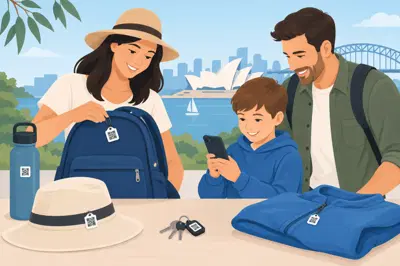
Start with the events most likely to affect your household. This makes the setup practical rather than complicated. A family in a suburban home may prioritise medical contacts, school pickup arrangements and a spare-key plan. A holiday-home owner may focus on storm damage, neighbour access and tradesperson contacts. An older person living independently may need a carer contact route that is easy to find and use.
At the front door and property boundary
Your front entry is often where a Good Samaritan, neighbour or emergency worker first needs direction. Place an emergency contact tool where it can be found without entering the property, but where it is protected from weather and not likely to be removed or overlooked.
A weatherproof QR tag near the front door, gate or letterbox can be especially useful for a locked house. If a smoke alarm is sounding, a dog is loose in the yard, a delivery has caused concern or water is flowing from a side gate, the person on site can contact you without guessing which neighbour knows you.
Do not use this as a substitute for calling 000 where there is immediate danger. If there is fire, a serious injury, suspected crime or threat to life, emergency services come first. The contact tool helps with follow-up communication and access decisions once help is on the way.
Inside the home
Inside, a concise emergency information sheet can support the people who live there. Keep it somewhere agreed, such as inside a kitchen cupboard, in a clearly marked folder or near the phone. It should be easy for adults, older children and regular carers to locate.
Include household members’ full names and dates of birth, key medical information, GP and pharmacy details, emergency contacts, pet information, insurer details and utility shut-off locations. Add instructions that are specific to your home, such as how to turn off the water mains or where the torch, first-aid kit and fire extinguisher are kept.
This document needs care. Review it after a move, a new diagnosis, a change in medication, a separation or any change to emergency contacts. Out-of-date information can create as much confusion as no information at all.
For keys, access and trusted helpers
A lockbox, garage keypad or smart lock can be valuable, particularly for carers and holiday properties. Yet access tools require judgement. The more people who know a code, the harder it is to control. Change codes after a cleaner, tenant, contractor or house sitter no longer needs access.
Rather than sharing access details widely, nominate two or three trusted people and make sure they know their role. One may hold a spare key, another may care for pets, and another may be authorised to make decisions if you are travelling or unwell. A QR contact tag gives a person at the property a way to reach that network without revealing who holds the key.
Set it up before the stressful moment
The value of emergency information comes from preparation, not from perfect wording. Choose your contacts based on who is likely to answer and who can take action locally. A sibling interstate may be emotionally important but unable to attend a leaking roof. Pair them with a nearby neighbour, family member or property manager where possible.
Make sure every nominated person agrees to be listed and understands what they may be contacted about. Ask whether they are comfortable receiving messages outside business hours. If they travel often, add a backup contact.
Test the process after setup. Scan the QR code from a different mobile, check that calls and messages route correctly, and confirm the tag is easy to spot. If it is placed outside, make sure glare, rain and ordinary wear will not stop it being scanned. A durable, weatherproof tag is a better choice than a paper label that fades after one summer.
It is also worth practising the non-technical side. Tell older children who they can call if they are locked out. Show carers where the home information sheet is kept. Let a trusted neighbour know that they may receive a call if there is an issue while you are away. These small conversations turn a product into a real safety plan.
Common gaps that leave households waiting
Many homes have emergency supplies but no simple communication route. There may be a first-aid kit, smoke alarms and a spare key, yet nobody outside the family knows who to contact if something looks wrong.
Another common gap is relying on a single person. If one contact is driving, overseas or simply misses their mobile, the situation can stall. Nominating more than one contact gives a caller another path without forcing them to search social media, knock on doors or wait for a reply.
Privacy is often overlooked too. Full contact details taped to a window, a name on a keyring or a note in a wallet may help an honest finder, but they can also expose information to the wrong person. The better balance is simple public access to a protected contact channel.
Finally, avoid assuming everyone will understand a complicated system. A home emergency tool should take seconds to use. If it needs a password, special software, a long explanation or a person who knows where every document is hidden, it may fail when stress is high.
A prepared home does not need to feel like a command centre. It just needs a reliable way for the person standing at your door to reach someone who can help. Set up that connection while life is calm, keep it current, and let every scan count when it matters.