Family Emergency IDs That Help When Seconds Matter
By ContactMeTag · · 6 min read
A school bag is left on a bus. A parent becomes unwell at the shops. An older relative wanders away from home. In each case, family emergency IDs can give the person who finds them one clear next step: scan or check the ID and reach the right contact without searching through a phone, guessing who to call or exposing private details.
They are not a replacement for calling 000 in a life-threatening emergency. They are a practical layer of preparedness for the moments around an emergency - when someone cannot speak, when a carer is not nearby, or when an item and its owner have been separated.
What are family emergency IDs?
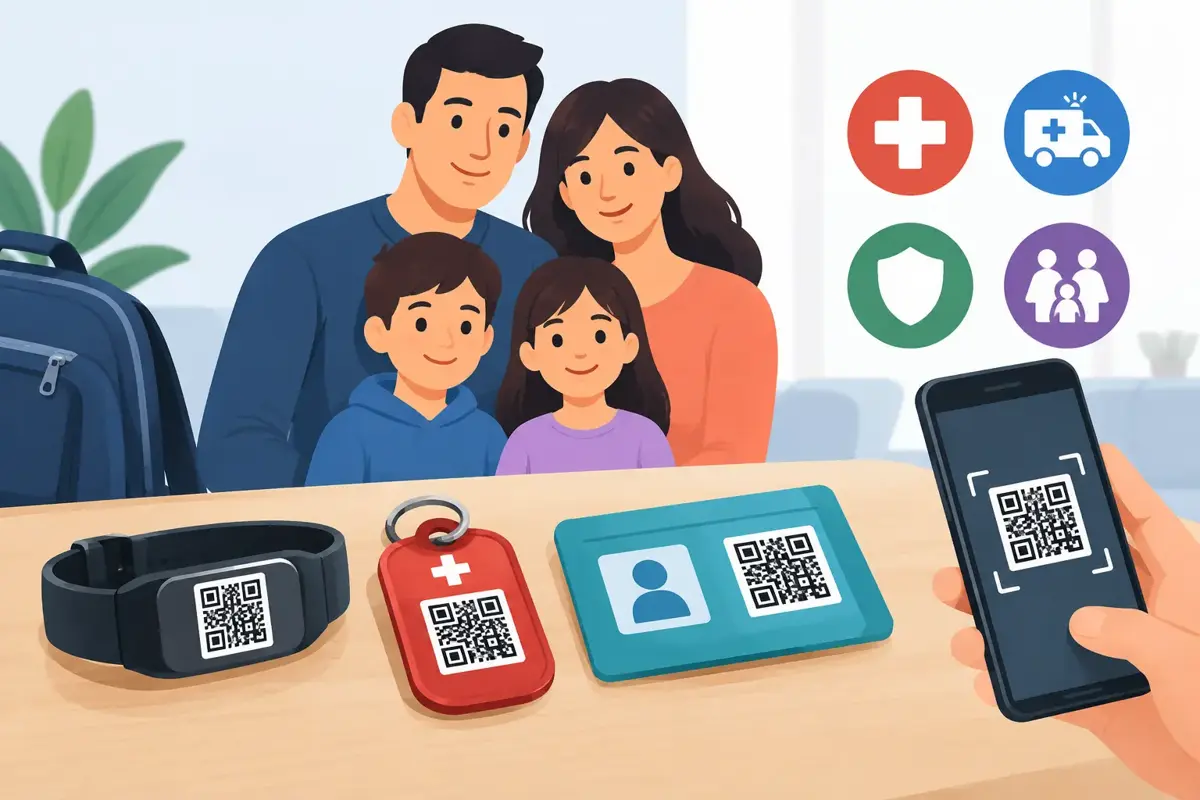
Family emergency IDs are physical or wearable identifiers connected to the contact information your family needs most. They can be a tag on a school bag, a card in a wallet, a label in a vehicle, a wearable tag, or a QR code placed where it can be found quickly.
The goal is simple: make it easier for a responder, carer or Good Samaritan to contact the right person. Rather than printing a personal mobile number where anyone can see it, a privacy-first QR ID can route calls or messages through a secure contact system. The scanner can act immediately, while the family's direct phone numbers remain protected.
For many households, this is less about expecting the worst and more about removing delay. When people are worried, rushed or unfamiliar with the situation, a clear contact pathway matters.
The situations where an emergency ID earns its place
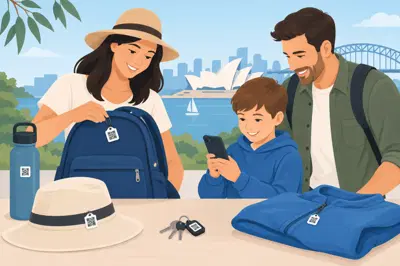
A family emergency ID works best when it is attached to something that is already part of daily life. That might be a helmet for a teen riding to school, a keyring for a driver, a bag tag for a child, or a wallet card for an older parent.
For children, an ID can help a trusted adult get in touch if they are separated from family at a sporting event, shopping centre or public transport stop. It should be positioned as a safety tool, not a substitute for teaching children what to do if they are lost. They still need to know their name, a safe meeting point and how to approach a police officer, staff member or another safe adult.
For older adults, particularly those living with dementia or a medical condition, an ID can reduce uncertainty when they become disoriented. A nominated contact can be reached quickly, giving the finder practical information and allowing family to respond sooner. Keep any medical details brief and considered. Include only what is genuinely useful for immediate care, and never rely on an ID instead of professional medical assessment.
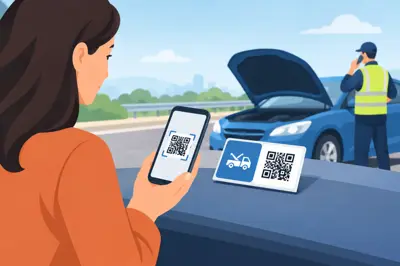
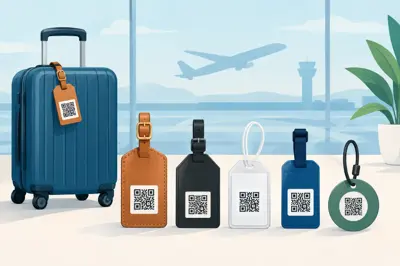
Drivers, riders and cyclists can also benefit. After an incident, a visible QR tag on a helmet, vehicle or keyring may help someone contact a partner, family member or emergency contact when the owner cannot use their mobile. For travellers, tags on luggage and carry-on bags can turn a lost-property problem into a quick conversation rather than a long chain of enquiries.
What information should a family emergency ID provide?
The most useful emergency ID does not try to tell a person's whole story. It gives the finder enough information to take the next safe action. Usually, that means a name or identifying reference and access to one or more nominated contacts.
Think about who might scan the code and what they need in that moment. A school bag ID may need parent and backup carer contacts. A pet tag needs a way to reach the owner quickly. A vehicle ID may need a spouse, partner or close family contact. A holiday-home tag may direct a neighbour, cleaner or tradesperson to the right property contact.
If your chosen system allows notes, use plain language. “Please call my daughter” is clearer than a long paragraph. For a serious allergy or health condition, concise information can be helpful, but privacy is part of safety too. Avoid putting addresses, Medicare details, full medical histories or other highly sensitive information in a publicly accessible profile unless there is a compelling reason and you understand how it is protected.
Why a QR code can be safer than a printed phone number
A traditional emergency card is still better than having no details at all. Its weakness is that the information is fixed and visible. If a phone number changes, the card becomes outdated. If it sits on a bag or keyring, anyone who sees it can copy the number.
A QR-based family emergency ID offers a different balance. Someone scans the code with their mobile camera and uses the contact options provided. The owner or nominated contacts can receive the call or message without their number being displayed to the scanner. If contact details change, the online profile can be updated without replacing every tag.
It depends on the system, so check what happens after scanning. A useful setup should not require the finder to download an app, create an account or pay to make contact. It should work in a few straightforward steps, because the person scanning may be stressed, on the side of a road or standing in a busy public place.
Build an emergency ID plan for the whole household
The best approach is to start with the situations your family actually faces. A household with young children may prioritise school bags, lunch bags and car seats. A family caring for an older relative may focus on a wearable ID and a spare tag for their keys. A household that drives, rides and travels often may need vehicle, helmet and luggage tags.
Choose one primary contact and at least one backup. The primary person should answer their mobile reliably and know they are listed. The backup matters when the first person is at work, driving, asleep after a night shift or simply unable to take the call.
Then decide what each contact needs to know. If a child is found, the parent may need the child's location and the name of the person helping. If luggage is found, the owner needs enough detail to arrange collection. If an older family member is disoriented, a carer may need a calm description of where they are and whether urgent medical help has been called.
ContactMeTag allows households to set up QR tags online in minutes and nominate contacts without displaying their private numbers. That makes it practical to assign different tags to different family members and everyday items while keeping the response process simple for the person scanning.
Set it up, then test it like a smoke alarm
An emergency ID only helps if it is current and easy to find. Once your tags are activated, scan every one with a mobile that is not logged into the account. Check that the contact options appear clearly, calls or messages reach the correct person, and backup contacts understand what the notification means.
Repeat the check whenever a family member changes mobile numbers, moves house, changes schools or starts a new care arrangement. It is also worth reviewing the plan before a holiday, a long road trip or the start of a new sports season.
Placement matters as much as setup. Put the ID where a finder is likely to look, but where it will not be hidden by a cover, buried in a bag pocket or damaged by weather. On a helmet, choose a visible area. On keys, use a durable tag. For a child, attach it to the outside of the bag rather than relying on something tucked inside.
Teach your family what the ID is for
A tag is most effective when everyone knows its purpose. Explain to children that it helps a safe adult contact their family if they need help. Tell older relatives that it is there to support them, not to take away independence. Let nominated contacts know they may receive a call from an unfamiliar number or an alert after a QR scan.
Keep expectations realistic. A family emergency ID can speed up communication, but it cannot guarantee that a lost item will be returned or that every person nearby will scan it. It works alongside sensible routines: teaching children safe behaviours, keeping emergency contacts current, using seatbelts and helmets, and calling 000 when there is immediate danger.
The most reassuring safety plans are often the simplest ones. Put a clear way to reach your family where it can be found, keep it current, and make sure it speaks for you when you cannot.