Guide to QR Safety Tags in Real Life
By ContactMeTag · · 7 min read
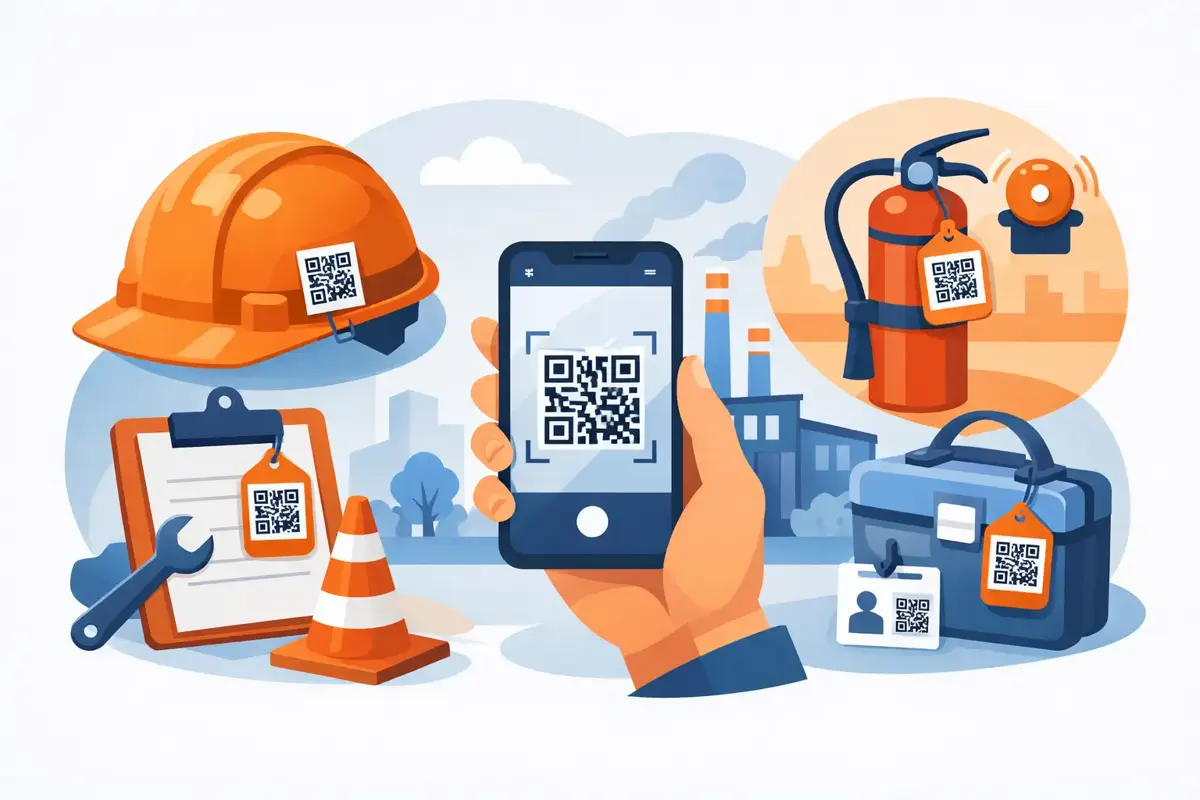
A lost wallet on a Saturday afternoon. A bike crash on a quiet road. A dog slipping the lead at the park. These are the moments a guide to QR safety tags should actually prepare you for - not just explain the tech, but show how a simple scan can get the right person involved fast.
QR safety tags are physical tags, stickers or wearables with a scannable code linked to your contact pathway. When someone scans the code with their mobile, they can be guided to call or message you or your nominated contact without needing an app and without seeing your private number. That matters when every minute counts, but it also matters in everyday mix-ups where speed and privacy both matter.
What a guide to QR safety tags should really cover
Most people don’t need another gadget. They need a practical safety step that works under pressure. A QR safety tag earns its place when it removes friction at the exact moment someone is trying to help.
That means the tag has to be easy to scan, simple to understand and linked to clear contact options. If a passer-by finds a school bag, helmet or set of keys, they should not have to guess what to do next. If an emergency responder reaches a rider who cannot speak, the pathway to a family member or emergency contact should be immediate.
This is where QR safety tags are different from writing a phone number on a label. A visible personal number creates privacy risks. It can be photographed, copied or misused. A better setup lets people make contact without exposing your details publicly.
How QR safety tags work when it matters
The basic idea is straightforward. You place the QR tag on an item, vehicle or wearable. You activate it online and assign the contact details or emergency contacts you want linked to that tag. Then, when the code is scanned, the finder or responder is presented with a simple action - usually a prompt to call or message through a protected contact route.
The best systems keep the scanner’s experience quick. No app. No account. No complicated forms. They scan, choose the action and make contact.
For the owner, setup should also be simple. You should be able to update contact details if your number changes, switch the tag to a different item if needed, and manage emergency contacts without replacing the physical tag. That flexibility matters because life changes. School bags get swapped. Travel plans change. Cars are sold. Kids grow up.
Where QR safety tags make the biggest difference
The strongest use case depends on your household, but the pattern is the same: they help when the person who finds the item or sees the emergency is willing to act, but needs a fast and safe way to reach you.
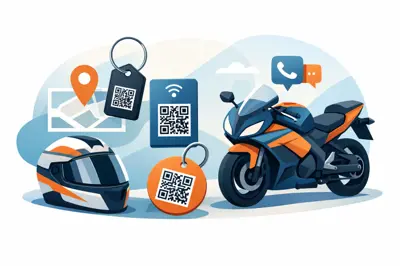
For vehicles, a QR safety tag can help after an accident, breakdown or roadside incident. If the driver is shaken, unconscious or separated from the vehicle, a scan can help connect a responder to a nominated contact quickly. That same logic applies to motorbike helmets and bicycles, where the rider may not be able to speak for themselves.
For families, children’s school bags, lunch bags and wearable tags are often the most practical starting point. Kids lose things. They also move through busy places where immediate contact matters more than a note buried in a pocket. A clear QR tag gives staff, parents or Good Samaritans a direct next step.
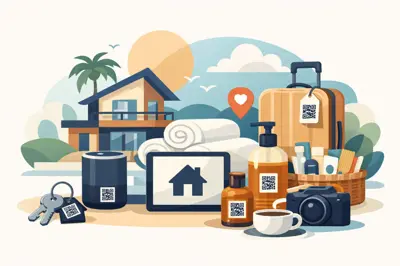
Travellers get a different benefit. Luggage tags with QR contact routing can speed up recovery without placing your phone number and home address on display. That’s a genuine trade-off many travellers now think about. You want your bag returned, but you may not want your personal details visible to every stranger in the terminal.
Pet owners, carers and people supporting someone with dementia or a medical condition often see the value fastest. If a pet wanders, if an elderly loved one becomes disoriented, or if someone needs urgent contact support, the gap between being found and being reunited matters enormously. When you can’t speak, your QR code speaks.
Privacy is not a bonus feature
One reason people hesitate with any ID tag is concern about oversharing. That hesitation is fair. A tag should make you easier to reach, not easier to track or expose.
A privacy-first QR safety tag avoids printing your private number where anyone can copy it. Instead, it routes communication through a protected system. The finder gets a practical way to contact you, but your details stay masked. That is especially important for children’s belongings, items left in public spaces, holiday-home access scenarios, and anything attached to a vehicle parked outside your home.
There is a trade-off here. A handwritten number may seem simpler at first glance because anyone can read it instantly. But simplicity on the surface can create risks later. QR-based contact routing asks for one extra action - a scan - in exchange for stronger privacy and better control.
What to look for before you choose one
Not all QR tags are built for the same conditions. A paper sticker might be fine inside a laptop cover, but it is not enough for a motorbike helmet, dog collar or ute that lives in the weather.
Durability should match the job. Outdoor use needs weatherproof materials, strong adhesive or secure attachment, and print quality that stays scannable after sun, rain and abrasion. If the code fades or peels, the whole system fails at the worst time.
The contact flow also matters. The best QR safety tags guide the scanner clearly and quickly. People helping in an emergency are not comparing features. They are trying to act. If the process feels confusing, they may give up.
Then there is coverage across your life. Many households do not need just one tag. They need a simple system across the things most likely to be lost or involved in an incident - keys, bags, helmets, pets, cars or travel gear. A good setup feels consistent, not cobbled together.
Setting up QR safety tags the smart way
Start with your highest-risk, highest-likelihood items. For many Australians, that means a vehicle, a wallet or keyring, a child’s school bag, and a pet tag. If someone in your household rides, add a helmet. If you travel often, add luggage.
When setting up each tag, think about the likely scenario, not just the item. A keyring probably needs your direct contact route. A child’s bag may be better linked to a parent or caregiver. A motorbike helmet might need both a primary contact and an emergency backup. A holiday-home tag may need someone local who can actually attend the property.
Keep your details current. This sounds obvious, but it is where many safety systems fall apart. If your number changes or a nominated contact is no longer available, update the tag settings straight away. A safety tool is only useful if the person reached can act.
It also helps to place the tag where it will be noticed without being in the way. On luggage, that means visible but secure. On a helmet, it should be easy to spot and scan. On a wallet or laptop, it should be accessible to the finder. Think about the finder’s point of view, because every scan counts.
Why QR safety tags suit everyday Australians
Preparedness does not need to be dramatic. Most people are not planning for major disasters every day. They are trying to make small, smart decisions that reduce chaos when something goes wrong.
That is why QR safety tags work so well for busy households. They are low-friction, affordable and easy to understand. They do not ask everyone involved to download an app or create an account. They simply turn a moment of uncertainty into a next step.
For Australian conditions, local manufacturing and durable materials also matter more than people think. Heat, rain, salt air and hard use can destroy cheap tags quickly. If you are relying on a code to be scannable when it matters, build quality is not a detail. It is the product.
ContactMeTag was built around that reality - practical safety, fast contact and privacy protection in one simple action. That is the standard a QR safety tag should meet.
The real test is simple
If you handed your tagged item to a stranger and asked, “Would you know what to do if you found this?”, the answer should be yes within seconds. That is the benchmark. Not clever features. Not technical jargon. Just clear, immediate action when something has gone wrong.
The best safety tools are the ones you set up once, trust quietly, and hope never have to prove themselves. But if the day comes, a single scan should do what panic, guesswork and handwritten labels often cannot - get help moving in the right direction straight away.
A good QR safety tag does not just identify what is lost or who needs help. It gives the person on the other side of the moment a clear way to do something useful.