10 Airbnb Host Essentials That Matter
By ContactMeTag · · 7 min read
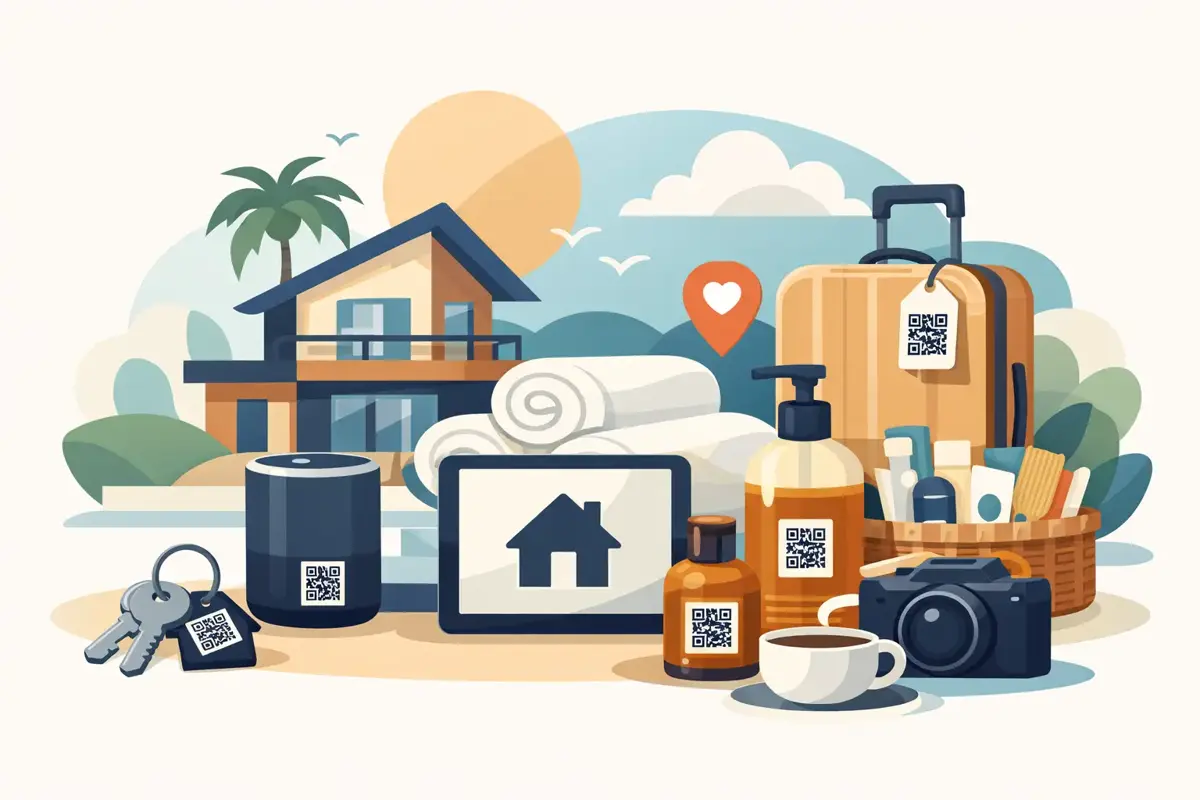
A guest arrives late, can’t find the key safe, and your mobile is on silent. Another spots smoke from the neighbour’s burn-off and isn’t sure who to call. A cleaner leaves, the next guest checks in early, and suddenly a simple handover turns into a scramble. That is why Airbnb host essentials are not just about styling a room nicely. They are about making your property easy to use, safer in a pinch, and simpler to manage when you are not there.
For most hosts, the basics get covered quickly - clean sheets, decent towels, Wi-Fi, a few pantry items. The bigger difference sits elsewhere. The best setups reduce confusion, protect privacy, and help people act fast when something goes wrong. If you host a city apartment, a beach shack or a family holiday home, the aim is the same: fewer avoidable problems and a better stay for everyone.
The Airbnb host essentials guests notice first
Guests form an opinion in the first few minutes. If entry is confusing, lighting is poor or instructions are buried in old messages, the stay starts with friction. The practical essentials here are simple: clear arrival instructions, visible house numbers, reliable exterior lighting, and an entry method that works every time.
That might be a smart lock, a lockbox or an in-person handover, but each option has trade-offs. Smart locks are convenient until batteries fail or the internet drops out. Lockboxes are familiar, though codes need to be updated consistently. In-person check-in feels more personal, but it is harder to scale if you manage bookings around work or family life.
Inside, comfort still matters. Good mattresses, enough power points, strong Wi-Fi and spare basics like toilet paper and bin liners stop little issues becoming complaints. None of that is glamorous, but guests remember when a place simply works.
Safety is one of the real Airbnb host essentials
Safety is where many hosts do the minimum and hope for the best. That is risky. A rental property has a steady flow of people who do not know the layout, the exits or local hazards. Your job is to make safe choices obvious.
Start with functioning smoke alarms, a fire extinguisher where appropriate, and a clearly visible first-aid kit. If your property has stairs, balconies, a pool, a wood heater or a barbecue, your guest information should explain any relevant risks in plain language. Do not assume people will work it out on their own.
This is also where emergency communication matters. If a guest loses access, finds damage, notices a safety issue or needs urgent help, they need a fast way to reach the right person. A printed folder with an old number is not enough. Hosts change mobiles, cleaners change schedules, and emergency contacts need updating.
A simple QR contact point at the property can help bridge that gap. Used well, it gives guests or neighbours a quick path to contact the host or nominated person without publicly displaying private phone numbers. For holiday homes and remote stays especially, that can make a real difference when time matters and the host is nowhere nearby.
A house manual should prevent problems, not create them
A good house manual is one of the most useful Airbnb host essentials because it answers questions before guests need to ask. The mistake many hosts make is overloading it. Six pages about your favourite cafes is less useful than one clear page on how to unlock the back door, where to put rubbish, and what to do if the power trips.
Think about the moments that create stress. Guests want to know how to enter, how to use heating and cooling, where to park, what to do with keys, and who to contact if something is urgent. If your property has quirks - a sticky gate, a tricky hot water system, a sensitive smoke alarm near the kitchen - say so clearly.
Printed instructions still matter, even if everything is also sent digitally. Not every guest wants to scroll through messages while standing in the dark at the front door. Keep the manual short, current and easy to scan.
Privacy matters more than many hosts realise
There is a tension in hosting: guests need access to help, but hosts do not always want their private mobile number visible on the fridge, front door or welcome folder. That is a fair concern, especially for families hosting a second property or anyone managing a rental from home.
This is where privacy-first systems are worth considering. Instead of exposing personal details, a host can give guests and finders a direct communication path that protects those details in the background. That is particularly useful for lost keys, unattended luggage, shared-access areas or holiday properties where neighbours may need to report an issue quickly.
ContactMeTag fits naturally into this kind of setup because it gives people a fast way to reach the right person after a scan, without forcing an app download or exposing private contact details. For hosts, that means a practical layer of access and emergency readiness without adding complexity for guests.
Cleanliness is essential, but consistency is what earns trust
Every host knows cleanliness matters. What gets missed is consistency. Guests will forgive a modest property before they forgive a place that feels neglected or unpredictable. If one stay includes spotless linen and a stocked kitchen, and the next has dusty blinds and no dishwashing liquid, trust disappears quickly.
A repeatable turnover system is one of the least visible but most important host essentials. Use a checklist, even if you think you know the property by heart. Include restocking, visual safety checks, appliance testing, and a quick scan for wear and tear. A burnt-out downlight or a loose handrail is not just an inconvenience. It can become a safety issue or a poor review.
If you use cleaners, make expectations explicit. Photos help. So does a short list of items that must be checked every time, not just when there is time.
The best host setups plan for problems before they happen
Hosting gets easier when your property is prepared for the obvious mishaps. Guests lock themselves out. Keys go missing. Wi-Fi drops out. The hot water system needs resetting. A storm hits while the place is vacant. If your system relies on you personally solving each problem in real time, it will eventually fail.
A stronger setup builds in backup options. Keep spare batteries where guests can find them for remotes or digital locks. Label switches and shut-offs where that makes sense. Make sure trades, cleaners or a local support person can be contacted if needed. If you are managing from a distance, the gap between a minor issue and a major one can be very short.
That is why communication tools matter as much as physical supplies. A property can have every comfort included, but if nobody can reach the right person when something goes wrong, the essentials are not really covered.
Essentials for different types of Airbnb properties
Not every host needs the same setup. An inner-city unit has different risks from a rural cottage or coastal holiday home. Apartment hosts may need better instructions for parking, lift access and building entry. Family homes need extra thought around child safety, spare bedding and accidental damage. Regional properties often need clearer advice about wildlife, water use, heating or patchy reception.
If your property sits empty between bookings, visibility and contact access become even more important. A neighbour, tradie or passer-by may be the first to notice a burst pipe, damaged gate or open window. In those moments, a fast route to the host is far more useful than a decorative welcome basket.
What is worth spending on first
If you are setting up from scratch, spend on the things guests use constantly and the systems that reduce risk. A comfortable bed beats decorative extras. Reliable entry beats trendy gadgets. Safety equipment, exterior lighting and clear communication are better investments than novelty features that look good in photos but solve nothing.
It also pays to spend where replacement costs are high. Keys, remotes, access devices and portable items go missing more often than hosts expect. Systems that help recover items or reconnect people quickly can save both money and stress over time.
Good hosting is not about adding more for the sake of it. It is about choosing the essentials that keep a stay running smoothly when people are tired, rushed, unfamiliar with the property or dealing with something unexpected.
The strongest Airbnb setups feel easy because the thinking has already been done. When guests can find their way in, understand the house, reach help quickly and feel safe without effort, your property is doing what it should - protecting the experience before problems take over.