A Practical Guide to Lost Property Recovery
By ContactMeTag · · 7 min read
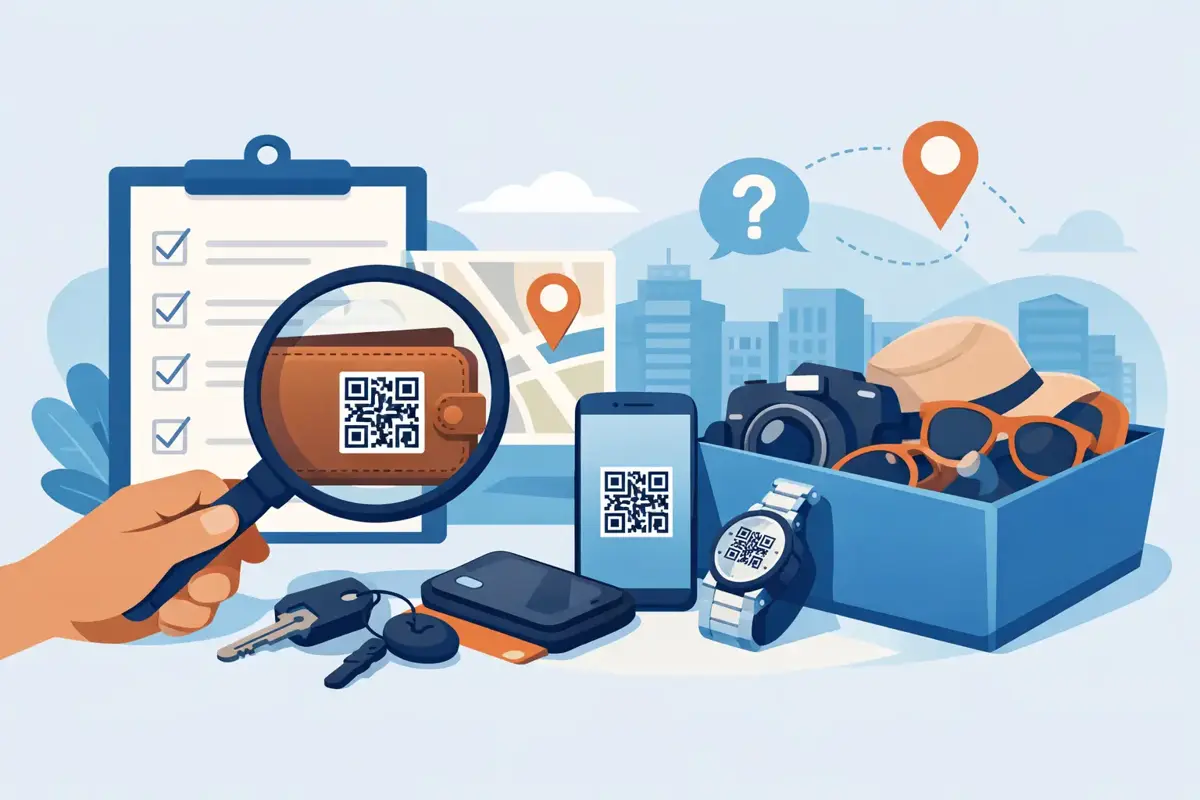
That sinking feeling usually starts small. You pat your pocket, check the car seat, glance at the café table, and realise your keys, wallet, bag or laptop is no longer where it should be. A good guide to lost property recovery is not about panic. It is about acting quickly, protecting your details, and making it easy for the right person to contact you fast.
Most lost items are not gone forever. They are misplaced, picked up by a decent stranger, handed to staff, or left in a vehicle, venue or public space. The difference between never seeing an item again and getting it back by the end of the day often comes down to one thing - how easy you make the recovery process.
Why lost property recovery often fails
Lost property recovery breaks down at the handover point. Someone finds your item, wants to help, but has no safe way to reach you. A wallet might have your licence, but a finder may feel uncomfortable handling your personal details. A bag may have no clear ID at all. A laptop might be locked, which is good for security, but useless for contact. Even when your name is visible, your mobile number usually is not.
This is where people lose time. They ring venues one by one, post in local groups, retrace every stop, and hope the item lands at a lost property desk. Sometimes it does. Often it sits with a well-meaning finder who has no practical next step.
The lesson is simple. Recovery works best when your item carries a direct, low-friction path back to you.
The first hour matters most
The first stage of any guide to lost property recovery is speed. If you notice the loss early, your chances improve dramatically.
Start by checking the obvious places in reverse order. Go back through your last few movements without overthinking it. Cafés, rideshares, school pick-up zones, public transport, the office, gym lockers and change rooms are common handoff points for lost items. Call venues directly and give a clear description, including brand, colour, any distinguishing marks, and the time you were there.
At the same time, secure anything sensitive. If your wallet, phone, work pass or laptop is missing, lock what you can straight away. Freeze cards, change priority passwords, and use location features if they are enabled. This is not assuming the worst. It is sensible damage control while you still have a strong chance of getting the item back.
There is a trade-off here. Some people focus only on security and forget recoverability. Others focus only on getting the item back and delay basic protective steps. You need both.
What makes recovery easier for the finder
Think about the process from the other side. A stranger finds your helmet at a servo, your child’s school bag at sport, or your luggage at the airport. They are much more likely to help if contacting you takes seconds, not effort.
The most effective recovery systems remove barriers. No app download. No public display of your private phone number. No need for the finder to log into anything or guess which social media post belongs to you. Just a simple action that connects them to you or your nominated contact immediately.
That is why visible identification still matters, but the type of identification matters more. Writing your mobile number on a tag can work, but it also exposes your details to anyone who sees it. For many families, travellers and riders, that is not a comfortable trade.
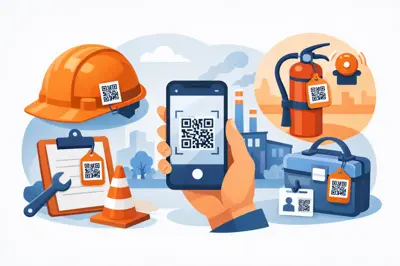
A better option is an identification method that keeps your contact details private while still giving finders a direct path to reach you. QR contact tags do exactly that. When scanned, they route the finder to a secure contact page or masked communication channel, so the item owner can be contacted without handing over personal information in public.
Which items should be set up for recovery first
Not every item needs the same level of planning. Start with the belongings that are either expensive, difficult to replace, or likely to be separated from you in everyday life.
Keys are high on the list because they are small, frequently dropped, and can create a security issue if lost. Wallets and bags follow closely because they combine value with identity documents. Luggage matters for obvious travel reasons, especially when multiple handovers happen between check-in, transfers and accommodation. Helmets, school bags, laptops and pet accessories also make sense because they are often left behind in public or semi-public places.
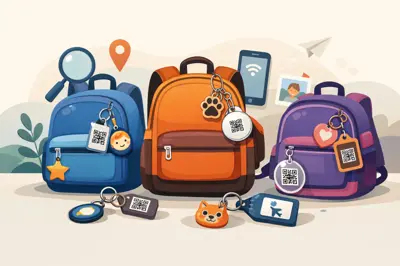
For families, children’s items deserve special attention. A school hat or backpack might seem minor until it goes missing three times in a term. For carers and older Australians, wearable contact tags can also support faster reunification in wandering or disorientation scenarios. Recovery is not always about property alone. Sometimes the item is the contact point that helps someone get home safely.
How to build a recovery system that actually works
The strongest lost property setup is simple enough that you will use it, and clear enough that a stranger can act on it instantly.
Start by labelling the item externally. Internal labels are better than nothing, but they rely on someone opening a bag or case and looking for them. External tags or stickers are more effective because they do not ask the finder to do extra work.
Next, keep the contact path current. If your mobile changes, if your emergency contact changes, or if an item is handed down to another family member, update the details straight away. Recovery systems fail when the label still exists but the destination is wrong.
Then think about privacy. This is where old-school solutions can fall short. A handwritten number on a bag might help in the short term, but it also makes your personal details visible at school, in airports, at events and on public transport. Privacy-first tags solve that problem by allowing contact without public exposure.
One practical example is using a QR-based tag that links to your contact method in seconds. ContactMeTag is built around that exact use case - quick communication, no app required for the scanner, and private details kept off the surface of the item. For lost property, that speed can make all the difference.
Common recovery scenarios and what to do
A lost wallet is urgent because it combines personal information with payment cards. Lock your cards first, then contact the venues where you last used it. If the wallet has an external recovery tag, the finder has a straightforward way to reach you without handling your licence details.
A misplaced laptop is more complicated. You need to protect the data while also giving a finder a safe way to return it. Device lock features are essential, but so is visible external identification. A locked screen does not help the person who wants to return it.
Lost luggage depends heavily on timing. Airport systems can work, but they are not always quick. A visible contact tag can help if a fellow traveller or transport staff member spots the bag before it enters a formal lost property process.
Keys are usually about convenience and security. If house keys are attached to anything that reveals your address, act cautiously. In those cases, private contact routing is safer than a tag with full personal details.
For pets, the same principle applies. A finder needs an immediate way to contact the owner, especially outside business hours. Delay matters when an animal is stressed, injured or roaming near traffic.
Small mistakes that reduce your chances
One common mistake is waiting too long before acting. People often assume the item will turn up on its own. Sometimes it does, but early action gives staff and finders better information while the trail is fresh.
Another is relying on one method only. Posting in a local group might help, but it should not be your entire plan. Venue calls, transport enquiries, card security, location tools and visible item identification all play different roles.
The third is overcomplicating the return path. If the finder has to create an account, install an app, or reveal their own details first, many will stop there. Good recovery design respects the fact that helpers need simplicity too.
Recovery is really about readiness
The best time to think about lost property is before anything goes missing. Once an item is gone, you are working with whatever recovery path already exists. If that path is unclear, private details are overexposed, or there is no contact method at all, your options narrow fast.
A practical guide to lost property recovery comes down to three things. Make your item identifiable, make contact immediate, and protect your privacy while doing it. That approach works whether it is a set of keys dropped at the shops, a bag left on a train, or a helmet forgotten after a ride.
Everyday losses happen quickly. Getting your belongings back should be quick too. A small step taken now can save hours of stress later, and sometimes that is the difference between a minor interruption and a very long day.