The ContactMeTag Journal
A Guide to Contactless Emergency Communication
This guide to contactless emergency communication shows how QR tags help Australians share urgent details fast, while keeping mobile numbers protected.
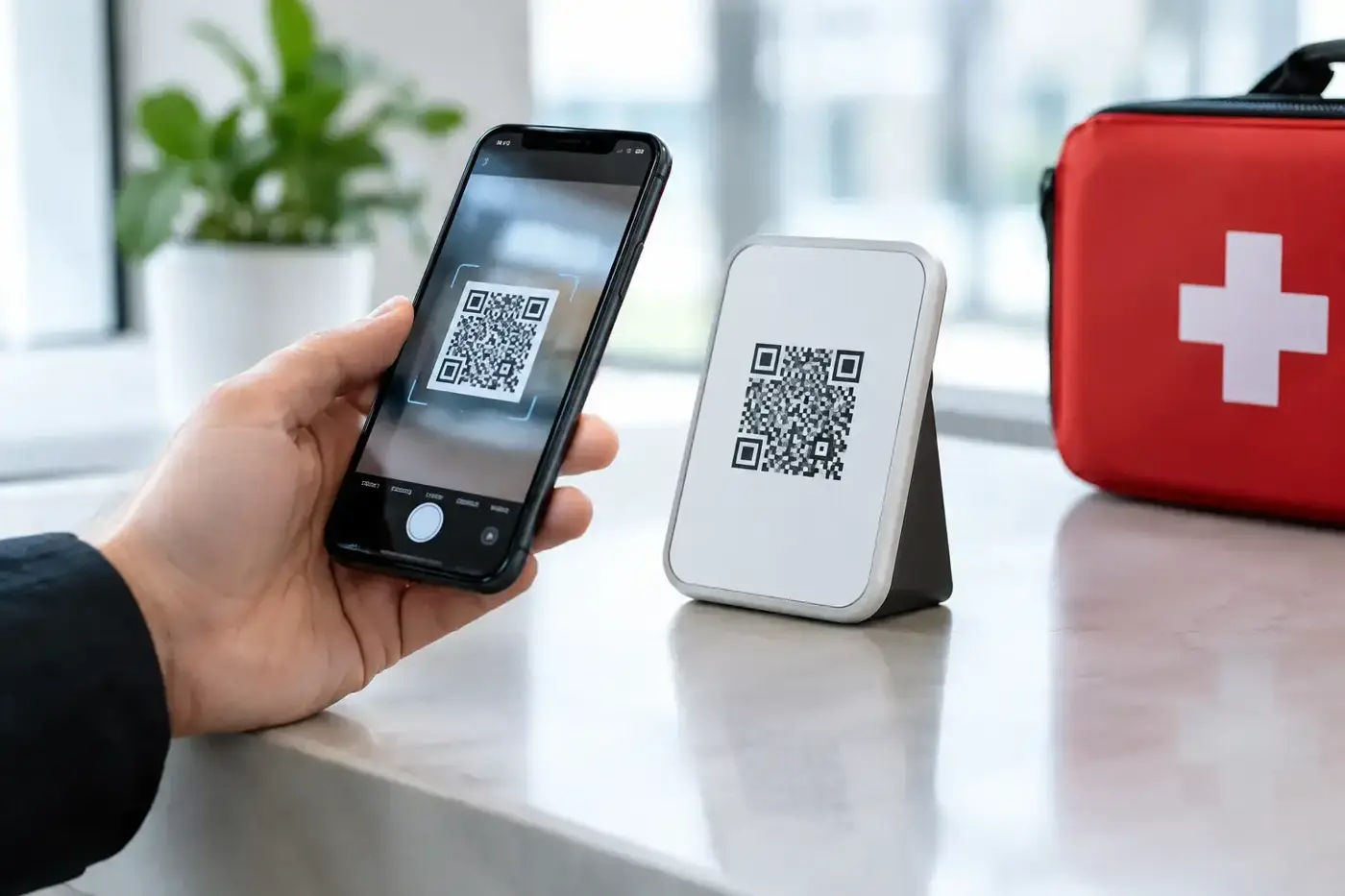
A roadside incident can turn a normal drive into a stressful few minutes. A lost school bag can leave a parent wondering who has found it and whether they can be reached. In moments like these, a guide to contactless emergency communication starts with one simple idea: make the right person easy to contact without putting your private mobile number on public display.
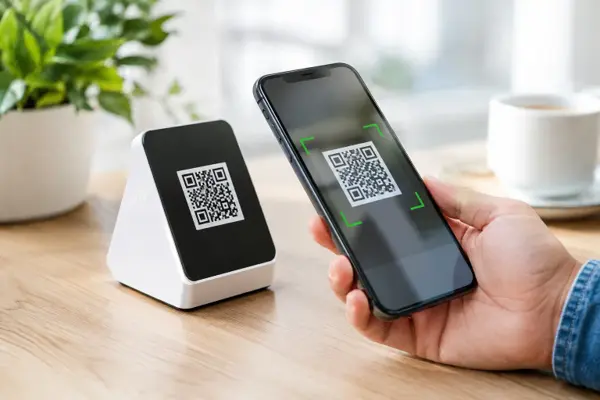
Contactless communication uses a scannable QR code to create a direct path between a helper and a nominated contact. There is no app to download for the person scanning, no form to search for, and no need to read tiny emergency details from a card. They scan, choose how to get in touch, and action can begin.
What contactless emergency communication actually does
A QR emergency tag is a physical tag, sticker or label linked to a secure online contact profile. When someone scans the code with their mobile camera, they can see the options you have chosen for that item or person. Depending on the setup, that may mean calling or messaging you, contacting an emergency contact, or sharing a location and a short message.
The key difference is privacy. A traditional luggage tag, keyring or helmet sticker often shows a name and mobile number to anyone nearby. That is convenient, but it also exposes personal details to strangers. A contactless system can route a call or message while keeping the underlying number masked.
This matters well beyond a major emergency. Most scans happen because someone has found something, needs access to a property, or wants to let an owner know that an item is safe. The same fast contact route is useful whether the situation is urgent or simply inconvenient.
A guide to contactless emergency communication for everyday life
The best use of a QR tag depends on what it protects. Start by thinking about the first person likely to find it. They may be a passer-by, a neighbour, a service technician, school staff, airport personnel, a ranger or an emergency responder. Their job should be obvious: scan the code and make contact.
On vehicles, helmets and bikes
Following a crash or breakdown, a driver or rider may be unable to make a call, may have left their mobile in the vehicle, or may simply be too shaken to explain who should be contacted. A visible, durable QR tag on a vehicle, motorcycle helmet or bicycle can help a Good Samaritan reach a nominated person quickly.
Placement matters. Choose a clean, visible surface that is unlikely to be hidden by a bag, cover or accessory. For a vehicle, consider an accessible external location rather than somewhere inside a locked cabin. For a helmet, avoid areas where a label could peel or be obscured by regular wear.
A QR tag does not replace calling Triple Zero (000) when life or safety is at risk. It supports the practical next step: helping the right people communicate when information is needed fast.
For children, carers and medical needs
Children can become separated from their family at a crowded event, on holiday or during the school commute. A small tag on a bag, keychain or wearable can give a responsible adult a quick way to contact a parent without the child needing to remember a phone number.
The same approach can support people living with dementia, allergies, diabetes or other health concerns. Keep the information focused on action. A carer’s contact details, a brief essential note and clear instructions can be more useful than a long medical history. Sensitive health information should only be included when it is genuinely necessary and you are comfortable with the privacy settings available.
There is a balance here. More detail can assist a helper, but too much detail can create privacy risks or confusion. In an urgent situation, clear contact options and a concise instruction are usually the priority.
For luggage, wallets and everyday valuables
A lost wallet creates more than inconvenience. It can contain cards, licences and information that should not sit unattended for long. A discreet QR tag gives an honest finder a way to tell you it has been found without asking them to handle or photograph personal documents.
For luggage, use a weatherproof tag secured to the outside and consider placing another inside the case. External tags are easy to scan, while an internal backup helps if the outer tag is damaged or removed. This is especially useful for travel, where bags can be separated from their owners before anyone has a chance to check an ID label.
Laptops, keys and bags benefit from the same principle. A finder needs one clear, low-effort way to reach you. If contacting you takes too many steps, the chance of a quick return drops.
For homes, holiday properties and pets
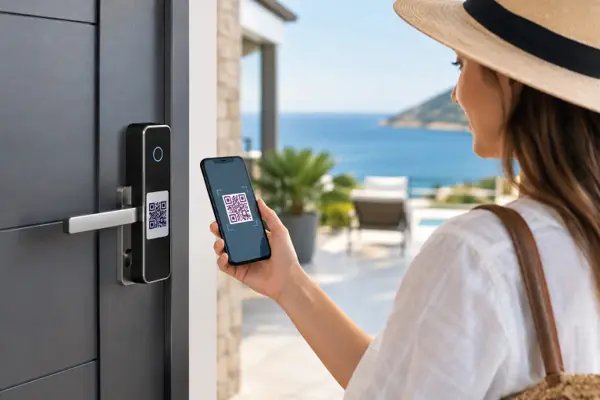
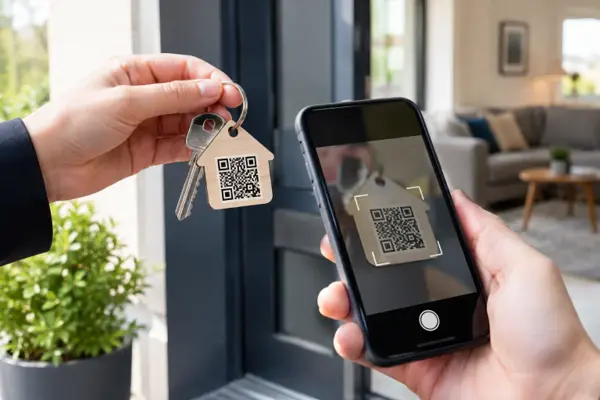
A QR tag can also solve the small access problems that become big ones when you are not nearby. A tag near a holiday-home entry point can help a neighbour, cleaner or tradesperson contact the owner if there is an issue with a gate, water leak or alarm. Avoid putting codes where they imply that someone is away or where they reveal access instructions to the public.
For pets, attach a durable QR tag to the collar alongside required registration details. If a dog slips out through an open gate or a cat wanders further than usual, a finder can scan the tag and contact the owner immediately. Check the tag regularly for wear, especially after swimming, beach trips or muddy walks.
Set it up before you need it
Contactless emergency communication only works as well as the details behind it. Setup takes minutes, but it deserves a little thought. Activate the tag, add your preferred contact method, nominate a backup emergency contact and check that the messages or calls arrive as expected.
Choose someone reliable as your backup. They should know they have been nominated and be likely to answer their mobile. For a child’s school bag or an ageing parent’s wearable tag, a second contact is particularly valuable when the first person is at work, driving or unavailable.
Write your emergency note in plain language. “Please call Mum” is clearer than a vague sentence. For a vehicle, “If assistance is needed, contact my emergency person” gives a helper useful direction without overloading the screen. Keep names current and remove old contacts after a move, separation or change in care arrangements.
ContactMeTag is designed around this straightforward process: scan the physical QR tag, choose a contact option and start a protected conversation. The scanner does not need an app, and calls or messages can be made without exposing your personal mobile number.
Test the real-world experience
Do not assume a tag works because it has been activated. Scan it with your own mobile, then ask a family member to scan it too. Check that the page loads, the correct contacts appear and notifications reach the intended person.
Test again after changing a mobile number, replacing a phone or updating an emergency contact. It is also worth checking tags every few months for fading, scratches, lifting edges or dirt. A tag on a ute, bike, pet collar or suitcase faces far more wear than one kept on a laptop.
Contactless systems rely on a scanner having a camera-enabled mobile and enough reception or data to open the contact page. That is usually available, but it is not guaranteed in remote areas, underground car parks or during network outages. Keep other sensible preparations in place: carry identification where appropriate, tell trusted people about your travel plans and call 000 in a serious emergency.
Make every scan easy to act on
The best safety tools reduce hesitation. A person who finds your bag, sees a fallen cyclist or notices a problem at your property should not have to guess what to do next. Give them a clear QR code, current contacts and a simple reason to scan.
Preparedness is not about expecting the worst. It is about making sure that, when you cannot speak or when an item cannot find its way home on its own, one scan gives someone the confidence to help.