Essential Safety Items for Solo Travellers
By ContactMeTag · · 7 min read
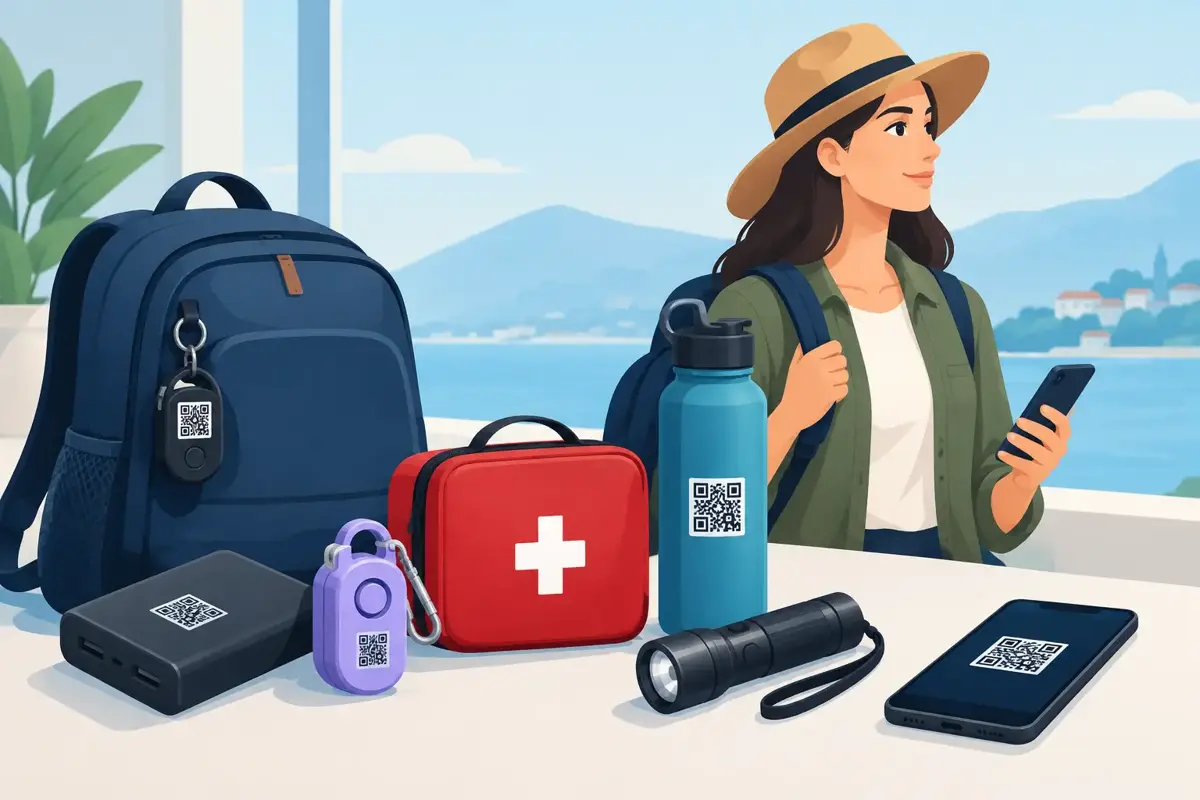
A delayed flight, a flat mobile battery and a bag left in the back of a rideshare can turn a good trip into a stressful one quickly. The essential safety items for solo travellers are not about packing for every possible disaster. They are about making sure you can communicate, prove who you are, access money and get help when you are on your own.
For Australians travelling solo, the best kit is light enough to carry every day and useful in ordinary mishaps as well as genuine emergencies. Start with the items that keep you connected, then build around the realities of your destination.
Essential safety items for solo travellers: start with contact
When something goes wrong, being able to contact someone is often more valuable than carrying extra gear. A phone is the obvious starting point, but it only works if it is charged, connected and accessible.
A charged mobile and compact power bank
Keep your mobile on your person rather than in checked luggage or the bottom of a daypack. It holds your maps, bookings, banking access, transport details and a direct line to help. Before leaving your accommodation each day, check your battery and take a compact power bank with a charging cable.
Choose a power bank that is permitted in carry-on luggage if you are flying. Airlines commonly require lithium battery packs to travel in the cabin, not in checked bags. A small unit is usually enough to get a phone through a long day of delays, navigation and messages without adding unnecessary weight.
Save key information offline too. Download maps for the area, keep accommodation details in your notes, and screenshot important booking confirmations. If your data connection drops out, you should still be able to find your way back or show a driver the correct address.
A privacy-first emergency contact tag
A solo traveller can be conscious but unable to speak, or simply separated from a bag, wallet or keys. In either situation, a visible emergency contact method gives a helpful stranger or responder a fast next step.
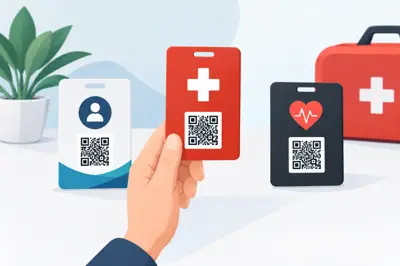
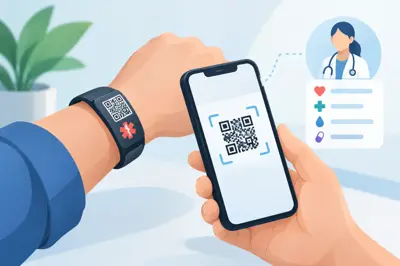
A QR emergency contact tag can be attached to your luggage, keyring, helmet or bag, with one carried on your person. When scanned, it can route a call or message to you or your nominated emergency contacts without displaying your private mobile number. ContactMeTag is designed for this exact moment: no app is needed for the person scanning, and the contact details remain protected.
Set up more than one trusted contact before you leave. Choose people who are likely to answer, know your travel plans and can make decisions if you cannot. Let them know which countries or regions you will be visiting, and share your itinerary without relying on them to monitor every movement.
A printed emergency card
Technology is useful until it is not. Keep a small printed card in your wallet with your full name, emergency contacts, any serious allergies, medical conditions, regular medicines and relevant travel insurance details. If you take prescription medication, include its generic name as well as the brand name.
This card should not contain every personal detail. It only needs enough information to help someone act quickly. If you are travelling overseas, add the local emergency number. Australians know to call 000 at home, but that number will not work everywhere.
Keep documents and money from becoming one problem
Losing a wallet is frustrating. Losing your wallet, passport, bank cards and access to funds at the same time can stop a trip in its tracks. The safest approach is to divide critical items across secure locations.
Carry your passport or photo identification securely, ideally in an inner pocket, concealed pouch or locked accommodation safe when you do not need it. Keep a clear digital copy in a protected cloud account and leave a copy with someone you trust at home. A copy will not replace a passport at a border, but it can speed up consular support if the original is lost or stolen.
Use two payment methods and store them separately. For example, keep your everyday card in your wallet and a backup card in a hidden part of your luggage. Take a modest amount of local cash for transport, food or a situation where card payments are unavailable. Avoid carrying all your cash in one place.
A slim RFID-blocking wallet may suit some travellers, but it is not a substitute for awareness. The more common risk is leaving a wallet on a café table, putting it in an open bag, or being distracted in a crowded place. A wallet tag provides a simple way for an honest finder to reach you without access to your personal number.
Build a small safety kit you will actually carry
The right safety items should suit the trip. A hiking holiday, a city break and a regional road trip have different risks. Still, a compact daily kit covers many common situations without making your bag bulky.
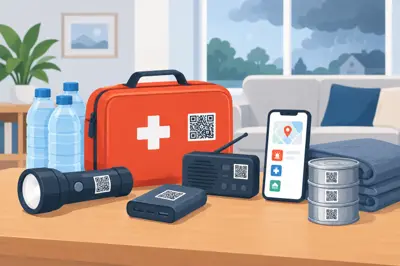
Pack these practical basics in a pouch you can move between bags:
- A small first-aid kit with adhesive bandages, antiseptic wipes, blister care, pain relief and personal medication.
- A refillable water bottle, particularly for hot Australian conditions or long transit days.
- A torch or small headlamp, useful during power outages, late arrivals and outdoor trips.
- A loud personal alarm, where legal and appropriate, to draw attention if you feel threatened.
- Sunscreen, a hat and a light rain layer, because heat, dehydration and sudden weather can disrupt plans faster than most travellers expect.
Check restrictions before packing. Some items that are acceptable in Australia may be restricted at overseas borders, in carry-on luggage or in certain venues. Do not rely on an item you may have to surrender at security.
Secure your accommodation and daily routine
Safety is rarely one product. It is a series of low-effort habits that reduce your exposure to risk.
On arrival, check that the door lock works, identify the nearest exit and keep your keys, phone and shoes together where you can reach them quickly. A portable door alarm or door wedge can add reassurance in some accommodation, but only use products that do not damage the property or interfere with emergency exits.
When heading out, avoid advertising that you are travelling alone. You do not need to be secretive, but be selective about what you share with strangers, on social media and in public spaces. Posting your location after you have left is often safer than broadcasting where you are staying in real time.
Trust the details that feel off. If a driver does not match the booking, a host pressures you to change plans, or a route becomes isolated after dark, you are allowed to leave. The cost of a different ride, another café or a better-lit route is usually small compared with the value of feeling safe.
Match your safety items to the journey
A solo traveller driving through regional Australia should carry different extras from someone moving between capital cities by train. On a road trip, take a vehicle charger, drinking water, basic recovery supplies and a way to alert someone if you break down in a low-service area. Put a QR contact tag on the vehicle as well as your keys, so a helpful passer-by can reach you or your emergency contact without exposing a phone number on the windscreen.
For hiking, cycling or motorcycling, prioritise visibility, hydration and medical information. A helmet tag or wearable contact tag can help identify who to call if you are separated from your phone. In remote areas, consider a personal locator beacon or satellite communicator. These devices cost more and require planning, but they can be the right choice where mobile coverage is unreliable.
For international trips, research local scams, transport practices and emergency services before departure. Registering your travel details with official Australian government services can also make it easier to receive alerts and seek support during a major incident.
Prepare before you leave, not after an incident
Give yourself ten minutes to test your plan. Charge the power bank, confirm your phone can make calls, update your emergency contacts and make sure your QR tag routes to the right people. Check that your travel insurance policy covers the activities you intend to do, especially scooter hire, adventure sports or driving a rental vehicle.
Then tell one trusted person what a missed check-in should mean. It might simply be a message when you arrive at your next accommodation, not constant tracking. The goal is a sensible escalation plan: if they cannot reach you after an agreed period, they know where you were meant to be and who to contact.
Solo travel should feel freeing, not fragile. Carry the tools that make communication possible, protect the details that matter and give a stranger a clear way to help. When you cannot speak or your belongings cannot find their way back alone, a small preparation can make every scan and every call count.