Emergency Cards Comparison for Urgent Moments
By ContactMeTag · · 7 min read
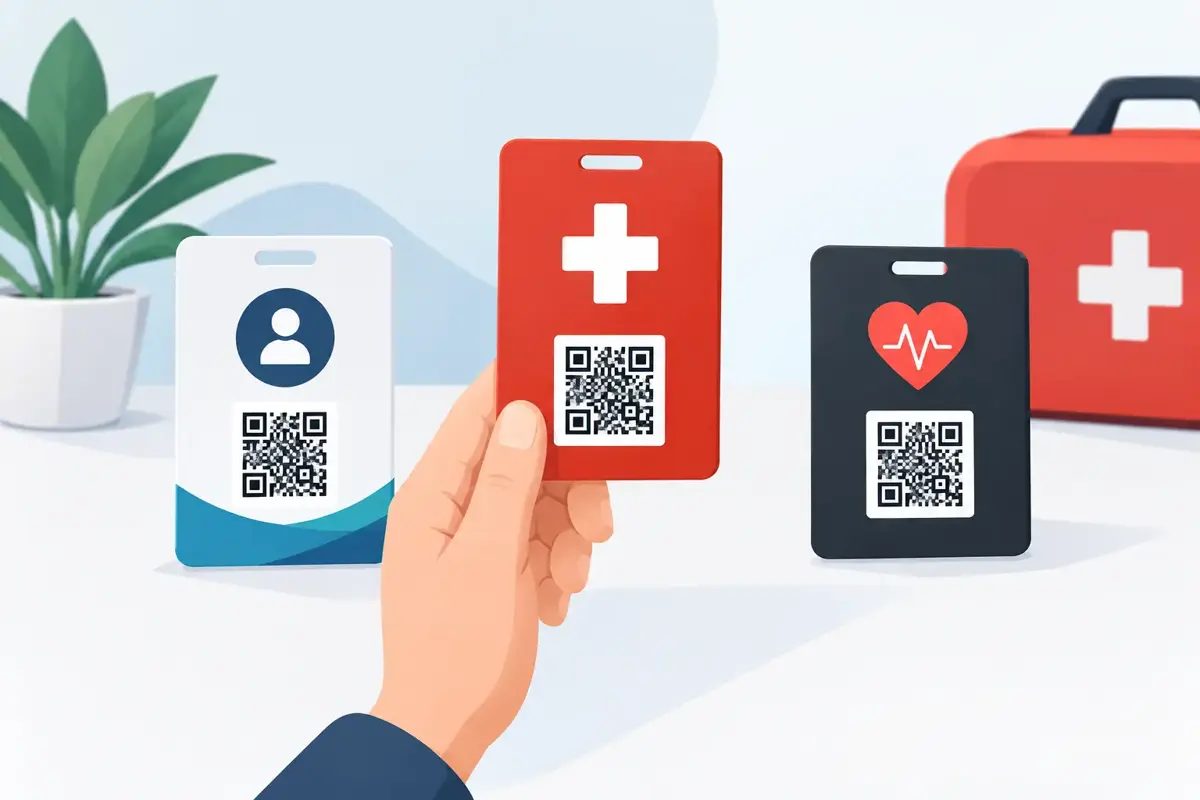
A medical incident on a bike ride. A child separated from the group at a busy event. A wallet left in a café. In each case, a stranger or responder needs one thing quickly: a safe way to reach the right person. This emergency cards comparison looks at the options Australians commonly rely on, where they help, and where they can fall short when every minute matters.
The best choice is rarely about storing the most information. It is about making the right information available to the person standing in front of you, without exposing private details or asking them to download an app, guess a passcode or search through a phone.
Emergency cards comparison: what are you really comparing?
An emergency card can mean a paper card in a wallet, a medical ID on a mobile lock screen, a bracelet, or a QR-enabled tag attached to something you carry. They all aim to solve a similar problem, but they work in very different conditions.
A useful comparison comes down to five practical questions. Can someone spot it quickly? Can they use it without special equipment? Is the information current? Does it protect your privacy? And can it get a real person on the phone when the situation is urgent?
For a family, the answer may involve more than one option. A child with allergies may need clear medical information, while their school bag also needs a simple way for a finder to contact a parent. A rider may keep medical details accessible but use a separate tag on their helmet or motorcycle to reach a nominated contact after an incident.
Paper emergency cards: familiar but easy to miss
Paper emergency cards remain popular because they are inexpensive, simple and need no battery or mobile signal. A card in a wallet can list your name, emergency contacts, allergies, medications and relevant conditions. For people who prefer low-tech preparation, that familiarity is a real benefit.
The limitations appear over time. A wallet may not be with you, particularly during exercise, on the beach or after an accident. A card can become wet, worn or unreadable, and changes to medication, phone numbers or carers mean it must be replaced. Most importantly, it displays personal details to anyone who finds it.
Paper cards work best as a backup, especially for essential medical facts that a clinician may need immediately. Keep the wording clear, use large print and review it whenever your medical details or emergency contacts change. Avoid putting more information on the card than a stranger genuinely needs to see.
Mobile emergency information: useful, but not guaranteed
Most modern mobiles allow emergency contacts and medical details to be shown from the lock screen. This can be valuable because people often carry their mobile everywhere. It also makes updates straightforward: change a contact once and the information can be current within minutes.
However, a mobile can be flat, damaged, locked in a bag, left in a car or simply not noticed. Not every passer-by knows how to access emergency information on every handset. In a stressful moment, they may see a locked screen and move on to calling 000 rather than looking for a medical ID feature.
Lock-screen emergency details are a sensible layer for adults and older children with mobiles. They should not be the only plan for a motorcyclist wearing a helmet, a young child without a phone, a pet, luggage or household access. They also require care with privacy. Medical information should be concise and purposeful, not a full personal record.
Medical jewellery and printed cards: strong for health alerts
Medical alert bracelets, necklaces and wallet cards have a particular role. They make a health condition visible and can be more reliable than an item tucked away in a bag. For severe allergies, diabetes, epilepsy, dementia or anticoagulant medication, an obvious medical alert can help responders recognise that there may be critical information to check.
Their trade-off is space. Engraving usually supports only a short message, a condition or perhaps a phone number. A printed card holds more, but it can be overlooked. If your details change, updating metal jewellery may also take more effort than editing a digital profile.
These options are particularly valuable where the medical alert itself is the message. They are not designed to replace professional emergency procedures. If someone is unconscious, seriously injured or having a severe reaction, call 000 first. Contact details and QR information can support the response, but they must never delay it.
QR emergency tags: contact without publishing your number
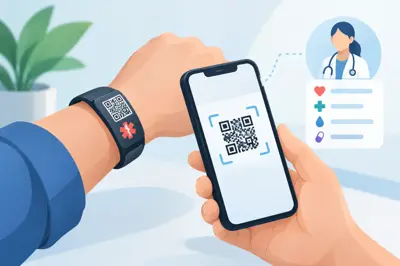
A QR emergency tag gives a finder a visible action: scan the code. Rather than printing a personal mobile number on a helmet, vehicle, keyring or bag, the code can open a contact pathway to the owner or nominated emergency contacts.
This is where QR tags differ from a basic printed emergency card. The physical tag stays in place, while the contact details behind it can be updated online. If a family changes mobiles, appoints a new carer or wants to add another emergency contact, they do not need to replace every tag. The information can remain private too, with calls and messages routed without putting a phone number on public display.
For ContactMeTag users, the scan is designed to work without an app for the person scanning. That matters when a Good Samaritan finds a lost backpack on the train, a neighbour needs to reach a holiday-home owner, or a responder needs to contact family after a road incident. The tag provides an immediate next step rather than relying on a passer-by to search online or make assumptions.
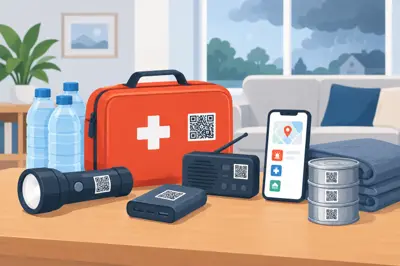
QR tags do have conditions. The code must be visible, clean and placed where someone is likely to look. A tag hidden under a thick phone case, covered by mud on a ute or attached inside luggage may not help at the moment it is needed. A scanner also needs a camera-enabled mobile and, in most cases, an internet connection. Choose weatherproof tags for outdoor equipment and check them regularly for damage.
Which option suits each everyday situation?
For a wallet, a paper medical card and mobile emergency information can work well together. The card provides a physical fallback, while the mobile can hold up-to-date contacts. Adding a discreet QR tag to the wallet can give a finder a privacy-conscious way to contact you if it is lost, without seeing your number.
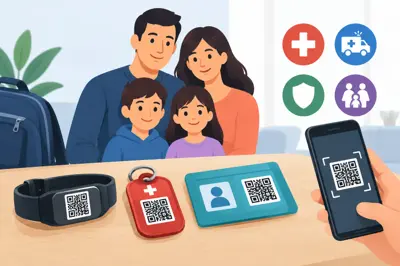
For children, clear identification matters more than detailed personal information. A QR tag on a school bag, lunch bag or keychain can help a trusted adult contact a parent after a mix-up, while avoiding a visible name, address and phone number. Younger children should still be taught simple safety rules: stay with a safe adult, ask for help from staff or police, and never leave with a stranger.
For drivers, riders and cyclists, visibility is the priority. A durable QR tag on a helmet, bike, vehicle or keyring can direct a helper to contact details if you cannot speak. Keep an emergency contact informed that they are nominated and make sure they know any critical medical details, preferred hospital and family contacts.
For travel, use more than one layer. Put a QR tag on checked luggage and a separate one on a carry-on bag or passport holder. Do not rely only on a luggage label showing your home address. A contact route is often safer and more useful than publishing where you live while you are away.
For dementia care, an easy-to-spot wearable tag can be especially helpful if a person becomes disoriented. The goal is not to label someone with unnecessary private information. It is to give a finder a fast, respectful way to reach a carer who can help bring them to safety.
A practical setup that stays ready
The strongest emergency plan is simple enough to maintain. Start by choosing two or three people who are likely to answer their mobiles. Ask their permission, confirm their numbers and decide who should be contacted first. If a person has a serious health condition, make sure those contacts know the basics and can speak calmly to responders.
Then match the identification method to the item or person. Put medical facts where emergency workers may find them, such as a medical ID or card. Put contact-routing QR tags on the belongings, vehicles and wearables that are most likely to be found separately from you. Test every method yourself. Scan the code, check the contact details and make sure the wording on printed cards is still accurate.
Review the setup after a new mobile number, medication change, move, school change or change in carers. A safety tool only works when it reflects the life you are living now.
When you cannot speak, the right emergency information can speak for you. Choose the layers that fit your household, keep them current, and make the next helpful action obvious to the person who finds you or your belongings.