Emergency Contact Tag Review: Worth It?
By ContactMeTag · · 7 min read
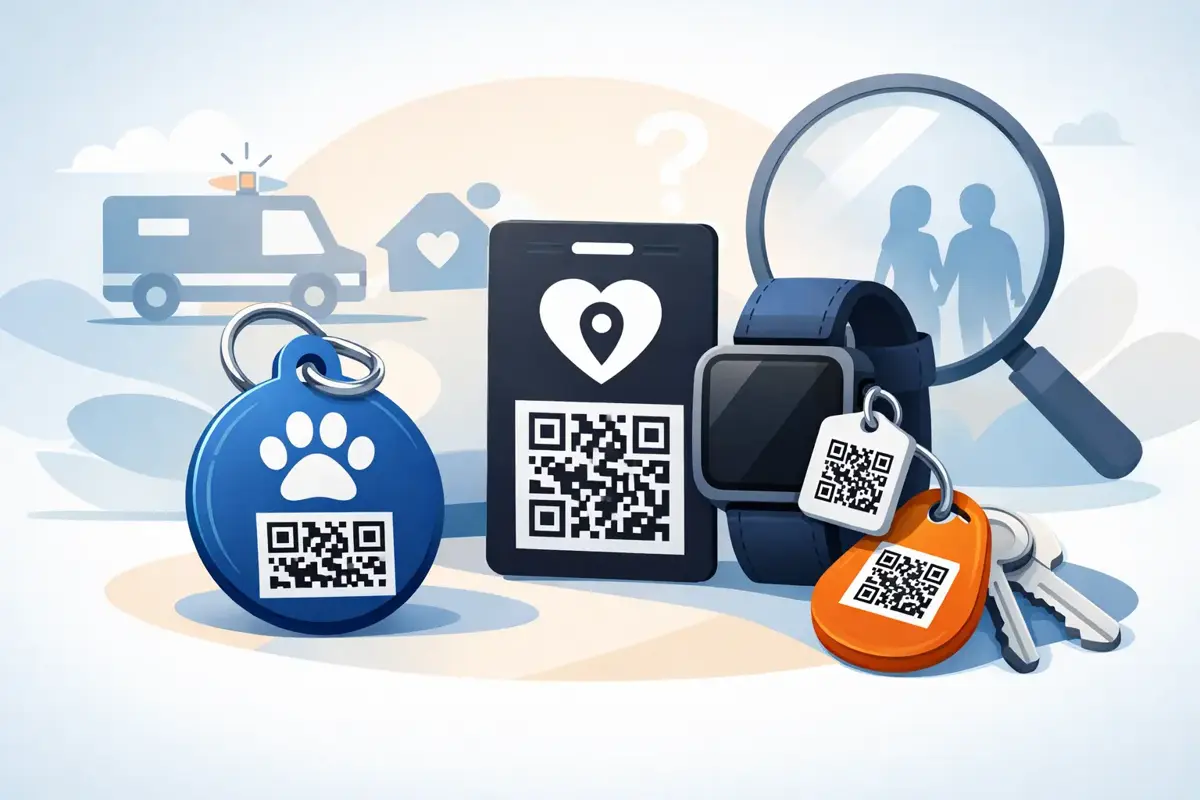
You do not get much warning in a real emergency. A bike crash on a quiet road, a child separated in a crowd, a lost wallet, a dog out through the gate, a traveller stuck without ID - these moments move fast. That is why an emergency contact tag review needs to focus on one question above all: when someone finds you, your belongings or your loved one, how quickly can they reach the right person?
The best tags are not just labels with a phone number printed on them. They are built to remove friction at the exact moment friction causes delays. If a stranger, neighbour, first responder or venue staff member can scan a code and make contact in seconds, the tag is doing its job. If it relies on an app, exposes private details, or feels too fiddly to set up, it starts losing value straight away.
What matters most in an emergency contact tag review
A good emergency contact tag review should go beyond the tag itself. The real product is the full chain of response: someone notices the tag, scans it, gets clear instructions, reaches the owner or emergency contact, and the issue moves towards a safer outcome.
That means four things matter more than flashy claims. First, speed. A tag should work instantly with an ordinary mobile camera. Second, privacy. People want to be reachable in an emergency, not have their personal number displayed to anyone who picks up a lost bag. Third, durability. A tag for a helmet, car, pet collar or keyring has to cope with weather, movement and daily wear. Fourth, ease of setup. If activation takes too long, many people will put it aside and forget it.
There is also a fifth factor that does not get enough attention: what happens after the scan. Some products stop at a basic profile page. Better systems create a practical path to action, such as calling or messaging nominated contacts without exposing private details. That difference matters when every minute counts.
Where emergency contact tags genuinely help
The strongest case for these tags is not one dramatic scenario. It is the range of ordinary situations where communication breaks down.
On the road, a QR tag on a motorcycle helmet or vehicle can help bystanders or responders identify who to contact if the injured person cannot speak. For families, a tag on a school bag, pram or child wearable can help if a child is briefly separated in a busy public place. For older Australians, especially those living with dementia, an item that helps someone contact family quickly can reduce confusion and delay.
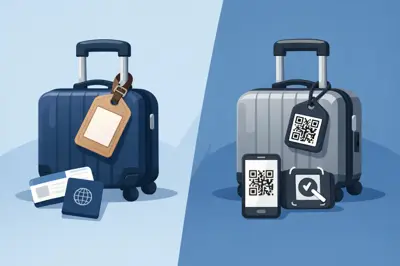
Then there is lost property. Luggage, wallets, laptops, keys and handbags are often recoverable if the finder has an easy, safe way to make contact. Most honest people will help if the next step is obvious. They are less likely to help if they need to guess who to call or if they worry about handling someone else’s personal information.
Pets are another strong use case. A collar tag that links a finder to the owner without printing a home address or private number in plain sight gives a better balance of access and privacy. The same applies to holiday homes and gates, where a contact point may be needed when something is wrong but owners do not want to publish private details to every passer-by.
The trade-offs to look for
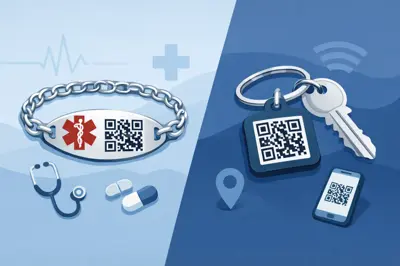
Not every emergency tag suits every person. A printed metal tag with a visible number is simple and does not depend on mobile coverage, but it also puts personal information out in the open. A QR-based tag protects privacy better and can route contact more cleanly, but it depends on the scanner having a camera-enabled phone and at least enough signal to complete the action.
For most Australians, that trade-off is reasonable because smartphone scanning is now second nature. Still, it is worth being honest about the limits. In remote areas with poor reception, any digital solution may be slower. In harsh environments, adhesive quality and material durability matter far more than fancy design. And for users who dislike technology, setup needs to be genuinely simple, not just marketed as simple.
There is also a difference between emergency use and recovery use. A luggage tag mainly needs to get a message through. A medical or vehicle tag may need clearer urgency cues and better contact routing. The right review should ask whether the tag is designed for the actual situation, not whether it looks clever in a product photo.
A practical emergency contact tag review checklist
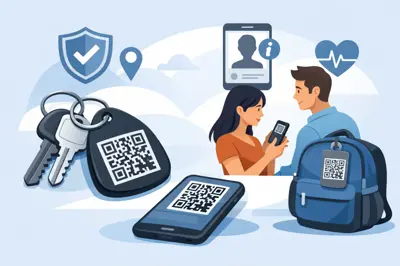
If you are choosing a tag for yourself or your family, look at the experience from the finder’s side first. Can they tell what to do immediately? Does the QR code scan cleanly? Are the instructions clear even for someone under stress? If the answer is no, the product is already weaker than it needs to be.
Next, check the privacy model. This is where many products separate. Showing a personal mobile number may seem efficient, but it can create ongoing exposure if the item is visible in public every day. A better setup gives the finder a direct way to call or message while keeping the owner’s number masked.
Then consider activation. The strongest products let you register online in minutes, update contacts easily, and manage multiple use cases without needing technical skill. That matters because life changes. Children change schools, pets get new vets, travellers switch itineraries, and emergency contacts need updating.
Material quality is the other major point. A tag for a keyring or suitcase has different wear demands from one placed on a vehicle, helmet or outdoor gate. Water resistance, scratch resistance and readable printing all affect whether the tag still works months later. Lifetime service can also make a difference, because a tag is only useful if the digital side stays active and maintained.
Who gets the most value from one
The people who benefit most are usually those managing motion, responsibility or uncertainty. Parents moving through busy places with children. Riders and drivers who spend time on the road. Travellers whose bags and documents are constantly in transit. Pet owners who know a single open gate can create a stressful hour. Carers supporting someone who may become disoriented.
These are not edge cases. They are normal parts of everyday Australian life. That is why emergency contact tags work best when they feel less like a gadget and more like a quiet layer of preparedness.
For many households, the value is also cumulative. One tag on a suitcase is useful. A small system across helmets, keys, school bags and pet collars is stronger because it creates the same response pattern everywhere: scan, contact, act. That consistency is reassuring, especially for families who want practical safety measures without adding more complexity.
How ContactMeTag fits this category
ContactMeTag stands out in this space because it is designed around what happens after the scan, not just the physical tag itself. The Australian-made tags are built for real-world use, but the stronger advantage is the contact-routing platform behind them. A finder can scan and reach the right person quickly, with no app download and no public exposure of private phone numbers.
That privacy-first approach is especially relevant for children’s items, pets, vehicles and visible everyday carry. It gives people a way to be contactable when it matters, without turning personal details into printed public information. Setup is also straightforward, which matters more than many reviews admit. Safety products only help when they are activated and ready before something goes wrong.
The broad product range is another practical strength. Different situations need different form factors, and a one-size-fits-all tag rarely works well across cars, helmets, bags, wallets and home access points. The flexibility here makes the category feel more usable and less theoretical.
Is an emergency contact tag worth buying?
For most people, yes - if the product is built around fast action, privacy and easy use. An emergency contact tag is not a replacement for medical ID, common sense or proper supervision. It is a backup communication tool. But backups matter because emergencies and mix-ups often start with one simple problem: the right person cannot be reached fast enough.
If you rarely carry anything, never travel, do not have children or pets, and are comfortable printing your number on belongings, you may not feel much benefit. For everyone else, the value is easy to see. One quick scan can cut through confusion at exactly the moment confusion causes delay.
The smartest way to judge the category is not by asking whether the tag is clever. Ask whether it helps someone do the right thing quickly when you cannot explain what is needed yourself. If the answer is yes, it earns its place. When you cannot speak, a good tag should speak clearly for you.