The ContactMeTag Journal
Child Separation Response Example for Parents
Use this child separation response example to help a finder contact you quickly, protect your child’s privacy and act calmly when minutes matter most.

A child can disappear from view in the time it takes to pay at a café counter, unpack the boot or turn towards another aisle. A clear child separation response example gives you, your child and the adults around you a practical plan for those first critical minutes - before stress makes it harder to think clearly.
The aim is not to frighten children or turn every outing into a drill. It is to make sure they know what to do if they cannot see you, and that a safe adult can reach you without needing access to your private mobile number.
A child separation response example in a public place
Imagine you are at a busy shopping centre with your seven-year-old. They stop to look at a display while you move ahead, then look up and cannot find you. Your child starts walking quickly through the centre, calling your name.
A safer response is simple: stop, move to a visible place and ask a staff member, security guard or parent with children for help. Your child could say:
> “I can’t find my mum or dad. My name is Sam. Can you please help me call them? I have an emergency contact QR tag on my bag.”
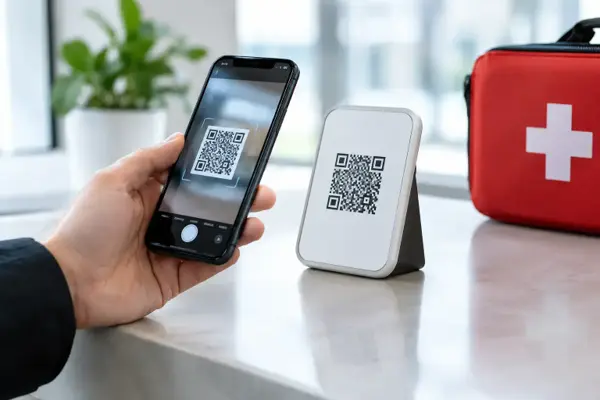
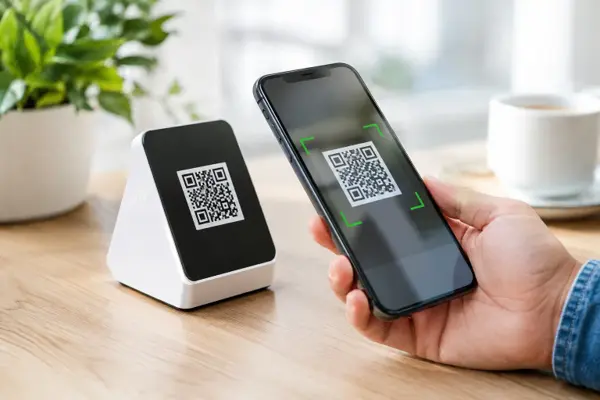
The helpful adult scans the tag using their mobile camera. They can call or send a message through the contact page, while your mobile number stays private. You receive the alert, confirm where you are and move directly to the agreed meeting point or the staff member helping your child.
At the same time, your response should be calm and specific. Rather than searching randomly, notify centre security or the nearest retailer immediately. Give them your child’s first name, age, clothing, last known location and a recent photo from your mobile if available. Ask one adult to stay at the last known point while another contacts security and checks the closest exits.
That is the value of a plan: your child has one safe action, a finder has one quick way to contact you, and you have clear information to share.
Teach the response before you need it
Children do not need a long safety lecture. They need a few words they can remember when they feel worried. Practise the plan at home, then casually repeat it before a busy event, holiday trip, footy match or day at the show.
Start with the rule: if you cannot see Mum, Dad or your trusted adult, stop where you are. Do not leave the building, car park, playground or event area to search. Moving further away makes it harder for the people looking for you to find you.
Next, identify safe helpers. Depending on where you are, this may be a uniformed staff member, security guard, police officer, lifeguard, teacher, information desk worker or a parent with children. Explain that children should not go anywhere private with a stranger, even if that person says they are helping. They should stay in a busy, visible place while the adult calls for assistance.
Finally, rehearse the words. A child who knows what to say is more likely to ask for help promptly:
> “I’m lost. Please stay with me and call my parent using my QR tag.”
For younger children, keep it even shorter: “I need help. Please scan my tag.”
What to put on a child’s emergency contact tag
An emergency tag should make contact fast, but it should not display more personal information than a child needs to carry in public. Avoid printing a surname, home address, school name, medical history or your direct mobile number where anyone can see it.
A privacy-first QR contact tag can route a call or message to you or another nominated adult after a scan. This means a finder can act immediately without downloading an app, creating an account or being given private contact details.
Before attaching a tag, check that the contact profile includes the essentials:
- A parent or carer as the primary contact, plus at least one backup adult who is likely to answer.
- Your child’s first name or a simple identifier that helps you confirm who the tag belongs to.
- A short instruction such as “Please call parent” or “Child needs assistance”.
- Relevant safety notes only where appropriate, such as a serious allergy or communication need.
- Current contact details, tested regularly.
It depends on your child’s age and routine where the tag works best. A bag tag is useful for school excursions, sport and travel. A wearable option can make sense for younger children, theme parks, crowded festivals or children who may not keep a bag with them. Keep it visible enough for a helpful person to find, but secure enough that it will not fall off during play.
Prepare for the places separation is most likely
Most families do not need a complex emergency kit. They need a few habits that match real life. Busy environments create predictable separation risks: a crowded beach, a large playground, an airport queue, a service station stop, a sporting venue or a weekend market.
Before entering one of these places, take a current photo of your child. It takes seconds and gives you an accurate record of what they are wearing that day. Choose a clear meeting spot that a child can recognise, such as the information desk, a particular gate or the café near the entrance. At larger events, explain that they should ask staff for help rather than attempting to return to the car.
For children who are old enough to use a mobile, a mobile is helpful but should not be the only plan. Batteries go flat, devices get left in the car, and a frightened child may not remember a number. A physical contact tag gives a finder another route to act when a mobile is unavailable.
ContactMeTag is designed for exactly these moments: a simple scan can connect a finder to the people who need to know, while keeping personal mobile numbers masked.
Your response when another adult calls
If a staff member, security guard or Good Samaritan contacts you about your child, take a breath before asking questions. Your calm voice will help the person stay focused and may reassure your child if they are nearby.
Confirm the child’s first name, what they are wearing and the location. Ask the adult to remain in a visible public area with your child, or to alert venue security if they have not already done so. Do not ask them to transport your child to another location or to wait alone in a car park.
Then act decisively. If you are close, tell them you are walking straight there and describe what you are wearing. If you cannot reach the location quickly, contact venue security and provide the details you have received. For an immediate danger, suspected abduction or any situation where a child may have left the venue unsupervised, call Triple Zero (000).
When you reunite, keep the first words simple: “You did the right thing by asking for help.” Save the discussion about what happened until everyone is calm. Children learn from what follows a mistake. If they are ashamed or feel they will be punished, they may delay asking for help next time.
Make the plan part of everyday family safety
A child separation plan works best when it feels ordinary. Update emergency contacts when a carer changes jobs or mobile numbers. Check that tags are still attached to the bags, jackets or wearables your child actually uses. Give grandparents, babysitters and older siblings the same instructions, especially before holidays and day trips.
You can also role-play a short scenario while doing the grocery shopping. Ask your child where they would stand, who they would approach and what they would say. Keep the practice light, praise the right response and repeat it occasionally. Confidence comes from familiarity, not fear.
When you cannot speak for yourself, a QR tag can speak for you. For a child who is separated, that small step can turn a worried stranger into a direct line to home - and help bring a frightening moment back under control.