Best Ways to Recover Lost Keys Without Stress
By ContactMeTag · · 6 min read
Keys have a habit of disappearing at the worst possible moment: when you are late for school drop-off, standing beside a locked car, or halfway through packing for a weekend away. The best ways to recover lost keys start with slowing the rush, narrowing the search area, and giving an honest finder a safe way to contact you.
A missing keyring is rarely gone without a trace. Most are sitting in a familiar place that was overlooked, left at the last stop in your day, or found by someone who wants to help but has no private, practical way to reach the owner. A clear recovery plan makes all the difference.
Best ways to recover lost keys at home
Before turning the whole house upside down, stop and replay the last time you used the keys. Say the sequence out loud: unlocked the front door, put the shopping on the bench, answered a call, took off a jacket. Retracing actions works better than trying to remember where you think you put them.
Start with the high-probability spots. Check your hand, pockets, bag compartments, the kitchen bench, laundry basket, bathroom vanity and the couch. Look under cushions and furniture, as keys can slide into gaps without making a sound. Check jackets, work bags and reusable shopping bags used in the past day or two, not only the ones you normally carry.
Then search by zones. Finish one room before moving to the next, and place a small note or object at the doorway once it has been checked. This prevents the frustrating loop of searching the same places repeatedly while missing the spare room or garage.
If children have been nearby, ask direct, simple questions. “Did you see Mum’s keys near the table?” is more useful than “Do you know where the keys are?” Little ones may have moved them while playing, copied an adult by putting them in a drawer, or left them in a cubby bag.
Work backwards from your last trip
If the keys are not at home, the most likely answer is usually somewhere on your recent route. Think in stops, not in vague memories. Your car, workplace, school gate, café, petrol station, gym and local shops all deserve a quick check.
Return to the car first. Check the ignition, centre console, cup holders, door pockets, under the seats and around the boot. If you unloaded groceries or sports gear, inspect bags and boxes before assuming the keys were left in public. For motorbike riders, check riding jacket pockets, helmet storage and the area around where gloves were removed.
Next, call or visit the last businesses you entered. Describe the keyring clearly, including the number of keys, fob colour and any distinctive tag. Avoid posting detailed photos or information publicly, especially if the keys can identify your home, vehicle or workplace. A finder does not need your address to return them.
Public transport adds another layer. Think about when you last tapped on, handled a bag or used your keys. If you have lost keys on a train, bus or ferry, report them promptly through the operator’s lost property process. The sooner an item is logged, the easier it is to match when it reaches the lost-property office.
Do not overlook the inconvenient places
Some of the most common hiding places are also the easiest to dismiss: in the fridge after unpacking groceries, beside the washing machine, inside the wheelie bin area, under a car seat or in a jacket that has gone into the wash. Check outdoor areas too, especially around the letterbox, garden gate, clothesline and driveway.
If you were carrying a pram, scooter, esky or sports equipment, inspect every pocket, pouch and compartment. Keys can be tucked away during a task and then forgotten because your attention moved to the next thing.
What to do when someone finds your keys
A lost keyring creates a privacy problem as well as an access problem. A person may be willing to return it, but a plain keyring gives them no safe way to contact you. Adding your full name, mobile number or home address to a tag may solve one problem while creating another.
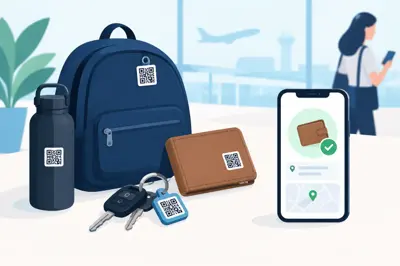
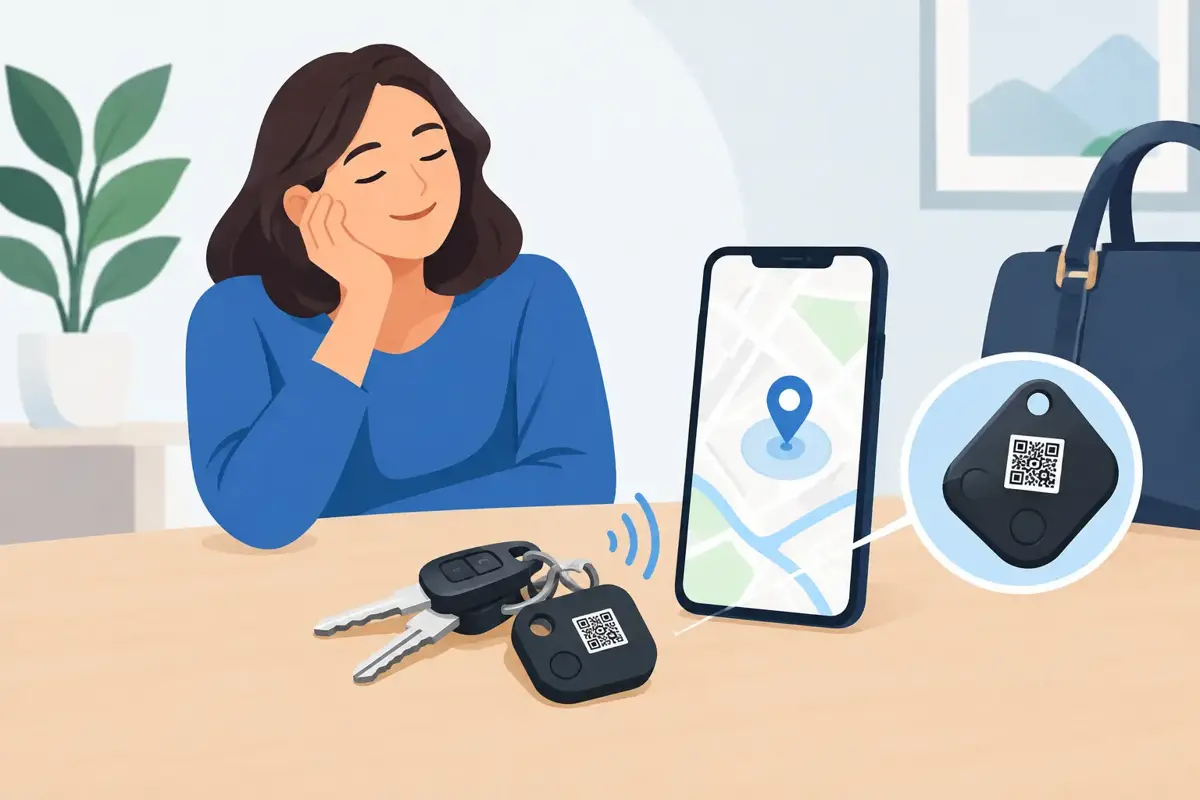
A privacy-first QR contact tag gives a finder a simple next step. They scan the code with their mobile's camera and can call or message the owner through a protected contact-routing page. Your personal mobile number does not need to be printed on the keyring, and the finder does not need to download an app or create an account.
This changes the recovery process from “I hope somebody hands it in” to “A finder can contact me now.” It is especially useful when keys are found in a car park, on a footpath, at a beach, in a shopping centre or while travelling - places where there may be no obvious lost-property desk.
ContactMeTag QR key tags are designed for precisely these everyday moments. The tag is durable and weatherproof, while the digital contact details can be managed online if your number or nominated contact changes. Set it up before anything goes missing, then make sure the tag remains easy to scan and attached securely to the ring.
Keep your recovery message clear
If a finder reaches you, respond calmly and arrange a safe return. Thank them, confirm enough details to show the keys are yours, and choose a sensible handover point. A public place such as a café, service station or police station is usually better than sharing your home address with a stranger.
If your keys include a vehicle key, remote garage opener, work pass or anything marked with an address, treat the loss as more urgent. Consider changing access codes, notifying building management or arranging replacement locks where appropriate. The right response depends on what the keyring can access and whether it contains identifying information.
For house keys without identification, a returned keyring may be all that is needed. For keys lost together with a wallet, licence, mail or address label, it is sensible to assess your home security straight away. A locksmith can advise on whether rekeying or replacing cylinders is warranted.
Build a system that prevents the next scramble
The most reliable key recovery tool is a repeatable routine. Give keys one home location near the entry, such as a hook, tray or drawer that is used every time you walk in. Keep a spare key with a trusted person or in a secure, purpose-built solution, not under a pot plant or doormat.
A useful household setup includes a few simple safeguards:
- a designated drop zone for daily keys;
- a labelled spare held by a trusted family member;
- a QR contact tag on every frequently used keyring;
- a quick check before leaving a venue or getting out of a car.
For families, attach contact tags to school bags, house keys, vehicle keys and luggage rather than relying on one person to remember everything. For carers and people supporting someone with dementia, consider keys alongside other everyday essentials that can become separated from their owner. The goal is not to eliminate every mishap. It is to make the next action obvious when one happens.
Keys are small, but losing them can quickly affect your safety, transport, work and plans for the day. Give yourself the advantage of a calm search method and a private, immediate way for a good person to get in touch. Every scan can turn an anxious wait into a simple return.